What’s the Best Fabric for Swimwear & Swimsuits?
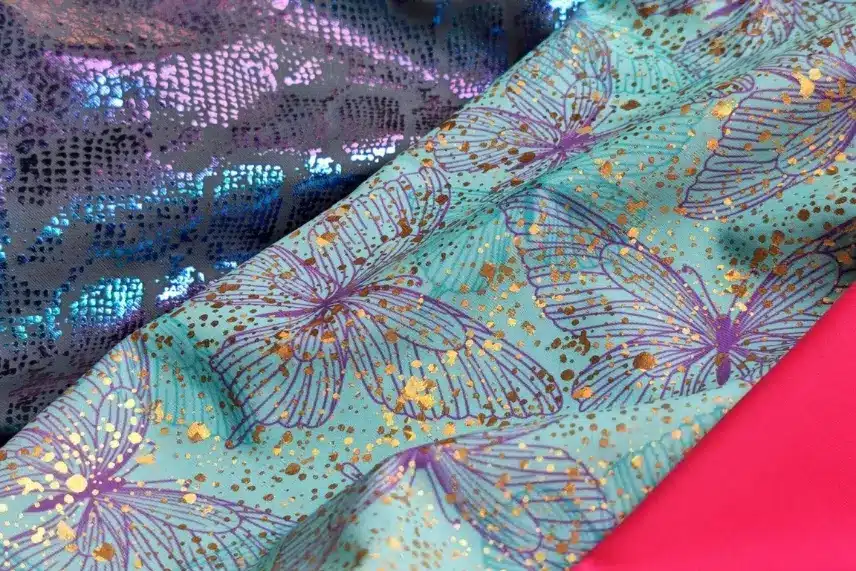
What’s the best fabric for swimwear and swimsuits? The answer depends on the type of swimwear you’re making and the performance you expect from the fabric. In this guide, we’ll explore the most common swimwear fabrics, compare their key characteristics, and discuss which materials are best suited for different types of swimsuits.
What Makes a Good Swimwear Fabric?
Since swimsuits are regularly exposed to water, sunlight, chlorine, and frequent movement, the fabric needs to offer a combination of performance, comfort, and durability. Here are the key qualities to look for in a good swimwear fabric.
Stretch & Recovery
Swimwear should stretch easily to provide a comfortable, body-hugging fit and then return to its original shape after use. Fabrics with good elasticity help prevent sagging and maintain the fit of the swimsuit over time.
Quick-Drying Performance
A good swimwear fabric should dry quickly after leaving the water. Quick-drying materials improve comfort and make swimsuits more practical for both recreational and active use.
Chlorine & Saltwater Resistance
Swimming pools and seawater can gradually damage fabrics and cause colors to fade. Fabrics with good chlorine and saltwater resistance generally last longer and retain their appearance better.
UV & Color Resistance
Swimwear is often exposed to direct sunlight. Fabrics with good UV and color resistance are less likely to fade and can maintain their vibrant appearance after repeated wear.
Comfort & Softness
Because swimsuits are worn directly against the skin, comfort is of paramount importance. High-quality swimsuit fabric should feel smooth and comfortable while allowing freedom of movement.
Durability & Shape Retention
Swimwear fabrics should be able to withstand repeated stretching, washing, and exposure to the elements without losing their shape or performance. Durable fabrics help extend the lifespan of the garment and provide a better wearing experience.
What Fabric Is Used for Swimwear?
Polyester Elastane Fabric
Polyester elastane fabric, also known as polyester spandex fabric, is one of the most popular materials used in modern swimwear. It is typically made by blending polyester with a small percentage of elastane, usually around 10% to 20%, to provide both durability and stretch.
One of the biggest advantages of polyester elastane swimwear fabric is its excellent resistance to chlorine and fading. Compared with many other swimwear materials, it can better retain its color and shape after repeated exposure to pool chemicals, sunlight, and saltwater. This makes it a preferred choice for swimsuits that are designed for frequent use.
Polyester elastane fabric is also quick drying and highly durable. The polyester fibers help the fabric resist abrasion and maintain its appearance over time, while the elastane provides the flexibility needed for a comfortable, body-hugging fit.
Advantages of Polyester Elastane Fabric for Swimwear
Excellent chlorine resistance: Polyester fibers can better withstand exposure to chlorine, making the fabric suitable for frequent swimming.
Good color retention: The fabric is less likely to fade after repeated exposure to sunlight, chlorine, and saltwater.
Quick drying: Polyester absorbs very little moisture, allowing swimsuits to dry faster.
Durable and abrasion resistant: The fabric maintains its appearance and performance even after repeated wear.
Excellent stretch and recovery: The elastane content provides a comfortable, body-hugging fit and helps the swimsuit retain its shape.
Ideal for printing: Polyester elastane fabric works well with sublimation and digital printing techniques.
Disadvantages of Polyester Elastane Fabric for Swimwear
Firm Hand Feel: Polyester elastane fabric typically has a slightly firmer feel than some other swimwear fabrics, which may not be preferred for ultra-soft and fashionable swimwear.
Can retain heat more easily: Some polyester blends may feel warmer in very hot weather compared with lighter nylon fabrics.
Nylon Elastane Fabric
Nylon elastane fabric, commonly known as nylon spandex fabric, is widely used in fashion swimwear due to its soft, smooth, and lightweight feel. The addition of elastane gives the fabric excellent stretch, allowing swimsuits to fit comfortably and move with the body.
Compared with polyester elastane fabric, nylon elastane has a silkier hand feel and a more luxurious appearance. These qualities make it a popular choice for bikinis and premium swimwear collections where comfort and aesthetics are especially important.
Advantages of Nylon Elastane Fabric for Swimwear
Soft and Smooth Hand Feel: Nylon elastane fabric has a silky texture and feels soft and comfortable against the skin.
Excellent Stretch and Recovery: Blending nylon with elastane creates a fabric that stretches easily and retains its shape after repeated wear.
Lightweight and Comfortable: Its lightweight construction allows for greater freedom of movement and helps create comfortable, body-hugging swimwear.
Premium Appearance: The smooth surface and elegant drape of nylon elastane make it particularly suitable for high-end fashion swimwear.
Disadvantages of Nylon Elastane Fabric for Swimwear
Lower Chlorine Resistance: Frequent exposure to chlorinated water can gradually weaken the fibers and shorten the lifespan of the fabric.
Less Color Retention: Bright colors may fade over time when the fabric is repeatedly exposed to sunlight, chlorine, and saltwater.
Not Ideal for Intensive Use: For competitive or frequent swimming, nylon elastane generally does not perform as well as polyester elastane in terms of long-term durability.
Higher Material Cost: Nylon swimwear fabrics are typically more expensive than polyester alternatives, which may increase overall production costs.
Recycled Polyester Elastane Fabric
Recycled polyester elastane fabric is a more sustainable alternative to conventional polyester swimwear fabric. It is typically made from recycled polyester fibers, often sourced from post-consumer plastic bottles, and blended with elastane to provide the stretch and comfort required for swimwear.
In terms of performance, recycled polyester elastane fabric offers many of the same benefits as conventional polyester elastane fabric, including good durability, color retention, and quick-drying properties.
Advantages of Recycled Polyester Elastane Fabric for Swimwear
More Sustainable Choice: Recycled polyester offers a more environmentally conscious alternative to conventional polyester.
Good Durability and Color Retention: Offer reliable performance and maintains its appearance after repeated use.
Quick-Drying Performance: Like conventional polyester blends, recycled polyester elastane fabric absorbs very little moisture and dries quickly.
Disadvantages of Recycled Polyester Elastane Fabric for Swimwear
Higher Material Cost: Recycled fibers are typically more expensive than conventional polyester, which can increase production costs.
Limited Availability: Some colors, constructions, and specifications may not be as widely available as standard polyester swimwear fabrics.
PBT Polyester Fabric
PBT (Polybutylene Terephthalate) polyester fabric is widely used in competitive and training swimwear because of its excellent chlorine resistance and long-lasting performance. Unlike most swimwear fabrics, PBT fabrics typically contain little or no elastane, yet they still provide good stretch and shape retention.
Advantages of PBT Polyester Fabric for Swimwear
Excellent Chlorine Resistance: PBT polyester can withstand repeated exposure to chlorinated water, making it ideal for frequent swimmers.
Good Shape Retention: The fabric maintains its fit and performance even after repeated use and washing.
Quick-Drying Performance: PBT polyester absorbs very little moisture and dries quickly after swimming.
Durable and Long-Lasting: Its strong resistance to chlorine and wear helps extend the lifespan of the swimsuit.
Disadvantages of PBT Polyester Fabric for Swimwear
Lower Stretch Than Elastane Blends: PBT fabrics generally offer less elasticity than polyester elastane and nylon elastane fabrics.
Lmited Design Flexibility: PBT polyester is more commonly used in functional swimwear, so it may offer fewer options for certain fashion applications.
Why Is Elastane So Important in Swimwear?
Most swimsuits contain a certain amount of elastane because it provides the stretch and flexibility needed for a comfortable, body-hugging fit. Without elastane, swimwear would feel stiff and would not be able to adapt well to different body shapes.
Elastane also improves comfort and freedom of movement. Whether swimming, surfing, or participating in other water activities, the fabric can move naturally with the body, making the swimsuit more comfortable to wear.
>>> Related reading: What Is Elastane Fabric? A Complete Guide to Stretch Fabric
Polyester Elastane vs Nylon Elastane for Swimwear
Polyester elastane and nylon elastane are the two most widely used swimwear fabrics. They share similar stretch performance, but differ in hand feel, durability, and end-use applications.
Polyester Elastane vs Nylon Elastane Comparison Table
| Feature | Polyester Elastane | Nylon Elastane |
|---|---|---|
| Feel & Comfort | Slightly firmer, functional hand feel | Softer, smoother, more comfortable against skin |
| Stretch & Recovery | Excellent | Excellent |
| Chlorine Resistance | Strong, suitable for frequent pool use | Moderate, performance declines faster in chlorine |
| Color Retention | Very stable, resists fading well | Good, but more prone to fading over time |
| Durability | High durability for repeated use | Moderate durability, better for fashion use |
| Drying Speed | Fast | Fast |
| Price Level | Generally more cost-effective | Usually higher cost |
| Best Use | Performance swimwear, training suits, kids’ swimwear | Fashion swimwear, bikinis, premium collections |
Key Takeaway: Polyester elastane is typically chosen for swimwear that needs long-term durability, frequent water exposure, and cost efficiency. Nylon elastane is preferred for fashion swimwear that prioritizes softness and visual appeal.
Are Natural Fabrics Good for Swimwear?
Natural fabrics such as cotton, linen, and bamboo are widely used in everyday clothing, but they are not well suited for swimwear. The main issue is how these fibers behave when exposed to water.
Cotton, for example, absorbs a large amount of water and becomes heavy when wet. Instead of drying quickly, it tends to stay damp for a long time, which makes it uncomfortable for swimming or beach activities. It also loses its shape easily after repeated exposure to water. Cotton elastane fabric offers better flexibility compared to pure cotton, as the addition of elastane improves stretch and comfort. However, it is still not commonly used for swimwear because it does not provide the same level of quick-drying performance, chlorine resistance, or durability as synthetic swimwear fabrics.
Linen and bamboo fabrics share similar limitations. While they are breathable and comfortable in dry conditions, they do not provide the stretch or recovery needed for close-fitting swimwear. As a result, garments made from these fibers are not able to maintain a secure or supportive fit in water. For these reasons, natural fabrics are rarely used in swimwear production.
Which Fabric Should You Choose for Your Swimwear & Swimsuits?
Fashion Swimwear and Bikinis
For fashionable swimwear, such as bikinis, comfort and appearance are usually the top priorities. Nylon elastane is commonly used in this category because of its soft texture, smooth finish, and flattering fit on the body.
Performance and Active Swimwear
For active use or sports applications, durability and functionality become more important. Polyester elastane is often chosen for quick dry swimming costume and performance swimwear because it offers strong chlorine resistance, good shape retention, and reliable 4 way stretch swimwear fabric performance for movement in water.
Competitive and Training Swimwear
For training or competitive swimming, fabrics with high stability and chlorine resistance are preferred. In many cases, polyester-based swimwear fabrics or PBT blends are used to ensure consistent performance in pool conditions.
Sustainable Swimwear Collections
For brands focusing on sustainability, recycled polyester elastane is often selected. It offers similar performance to conventional polyester while reducing reliance on virgin raw materials used in spandex swimwear fabric production.
Children’s Swimwear
For kids’ swimwear and everyday bathing suit use, polyester elastane is widely used because it is durable, quick-drying, and able to withstand frequent washing and pool exposure.
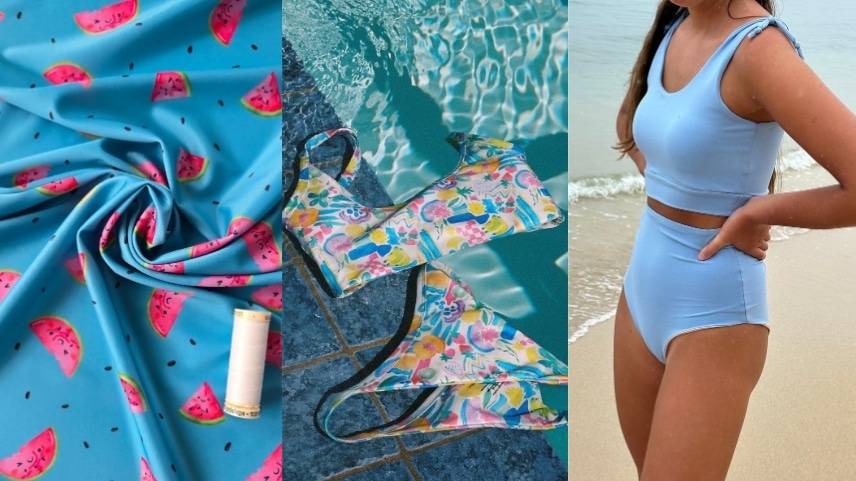
Where to Buy High Quality Swimwear Fabric?
When sourcing swimwear fabric, the most important factors are consistent quality, reliable performance, and stable supply. Whether you are producing fashion swimwear, performance bathing suits, or quick dry swimming costume collections, choosing the right supplier directly affects the final product quality.
A good swimwear fabric supplier should be able to provide stable fabric quality across different batches, offer a variety of constructions such as polyester elastane and nylon elastane, and support customization in terms of weight, stretch, and color.
Facto Textile offers a range of swimwear fabrics, including polyester-spandex and nylon-spandex blends, suitable for various end uses. If you are looking for a supplier for custom printed swimwear fabrics, you can get in touch with us to discuss your requirements.
FAQs
Q1: What type of fabric is best for swimming?
A1: Polyester elastane and nylon elastane are the most commonly used fabrics for swimming due to their stretch, quick-drying properties, and water resistance.
Q2: What swimsuit material lasts the longest?
A2: Polyester elastane generally lasts longer because it has stronger resistance to chlorine, sunlight, and repeated use compared with most nylon-based fabrics.
Q3: Is polyester or nylon better for swimwear?
A3: It depends on the application. Polyester elastane is better for durability and frequent swimming, while nylon elastane is preferred for its softer feel and more comfortable fit.
Q4: Can swimwear fabric be customized?
A4: Yes, swimwear fabrics can often be customized in terms of weight, stretch ratio, color, and printing depending on the supplier’s production capabilities.
Working With Facto Textile

Why Choose Us
- Experienced professional team
- Comprehensive fabric categories
- Fully customization options
- Advanced printing and dyeing technology
- Fast sample and production lead time
- Strict quality inspection and certifications
- Flexible minimum order quantities
- Competitive prices and reliable shipping
Contact Us To Start Your Fabric Project
Please send us your message, we will reply within 20 hours.
Facto Tex
Product & Service
Contact Us
No.888 ZhuJiaWan Street, Gusu District, Suzhou City, Jiangsu Province, China
