Cotton Elastane Fabric: What It Is, Best Uses & Blend Ratios
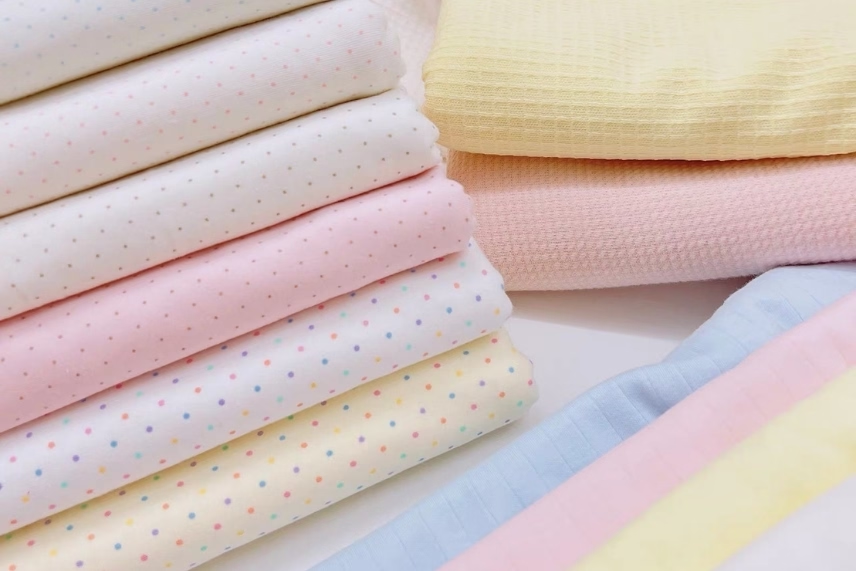
Cotton elastane is a type of fabric made by blending cotton fibers with a small percentage of elastane, which adds stretch and helps it hold its shape over time.
With its balance of comfort, stretch, and durability, cotton elastane has become one of the most popular fabric blends in the apparel industry today. In this guide, you’ll learn what cotton elastane fabric is, its key benefits, common blend ratios, best uses, printing performance, and how to choose the right fabric for your needs.
What Is Cotton Elastane Fabric?
Cotton elastane, also known as cotton spandex or cotton Lycra, is a blended fabric made from cotton and a small percentage of elastane fibers. The two fibers are spun together during the yarn-making process, creating a fabric that combines the natural comfort of cotton with the flexibility of elastane. The amount of elastane added can vary depending on the intended application, with higher percentages providing greater stretch and recovery.
What Is Elastane?
Elastane is a synthetic fiber made from a long-chain polymer called polyurethane. It can stretch up to several times its original length and spring back to its original shape without losing its form.
Elastane is the generic term used in Europe and most of the world, while spandex is the preferred term in North America. Lycra is a brand name owned by The LYCRA Company – one of the most well-known elastane producers in the world. Although the terms are often used interchangeably, they all refer to the same type of stretch fiber used to improve the flexibility and fit of fabrics.
>>> Want a deeper dive into elastane? Read more: What Is Elastane Fabric? A Complete Guide to Stretch Fabric
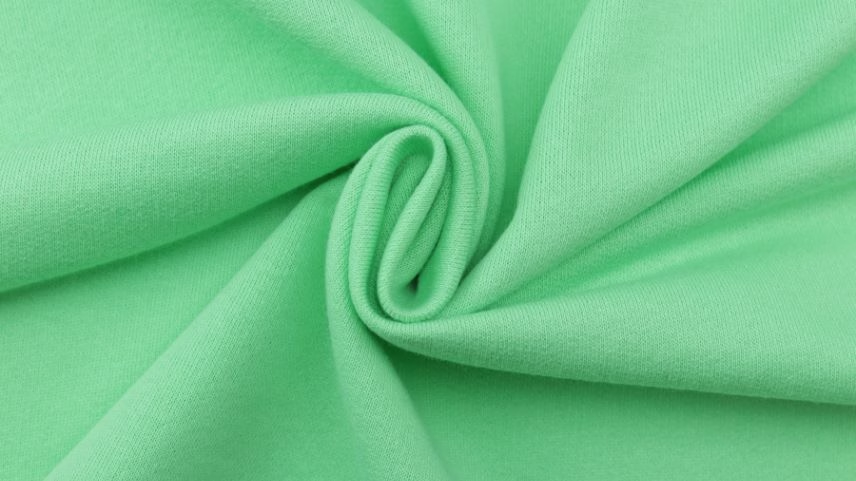
Characteristics and Benefits of Cotton Elastane Fabric
So why is cotton elastane fabric so popular in T-shirts, leggings, baby clothing, activewear, and loungewear? Here’s a closer look at its key characteristics and benefits.
Stretch & Recovery
Cotton elastane is known for its ability to stretch and return to its original shape. The elastane fibers allow the fabric to move freely with the body, whether you’re sitting, bending, or working out. More importantly, the fabric recovers well after each wear, which means it won’t sag at the knees or lose its shape around the collar over time. This makes it a reliable choice for fitted garments that need to hold their structure through repeated use.
Softness & Comfort
The high cotton content in cotton elastane gives it a soft, smooth feel against the skin. It doesn’t irritate or scratch, which is why it’s commonly used in garments worn close to the body, such as underwear, baby clothing, and everyday t-shirts. The natural softness of cotton also means the fabric is comfortable to wear for extended periods without causing discomfort.
Breathability
Cotton is a naturally breathable fiber, and this quality is preserved in cotton elastane fabric. Air circulates through the fabric easily, allowing heat and moisture to escape rather than getting trapped against the skin. This makes cotton elastane a comfortable option for warm weather and physical activity, where ventilation plays an important role in overall comfort.
Shape Retention
One of the practical advantages of cotton elastane fabric is its ability to maintain its shape after washing. Pure cotton tends to stretch out or shrink with repeated laundering, but the elastane content helps stabilize the fabric structure. Garments made from cotton elastane are more likely to keep their original fit and silhouette over time, even with regular use and washing.
Durability
Cotton elastane holds up well under regular wear and washing conditions. The blend is more resistant to distortion and fabric fatigue than pure cotton, meaning it takes longer for the fabric to show signs of wear. For garments that are worn frequently, such as everyday basics and activewear, this added durability makes a noticeable difference in how long a piece lasts.
Versatility
Cotton elastane works across a wide range of garment types and styles. The same fabric can be used for a fitted t-shirt, a pair of stretch jeans, a sports bra, or a set of pajamas. This adaptability comes from the balance between the natural properties of cotton and the functional stretch of elastane, making it suitable for both casual and performance-oriented clothing.
How to Choose the Right Cotton Elastane Blend Ratio?
Not all cotton elastane fabrics perform the same. The amount of elastane in the blend directly affects the fabric’s stretch, recovery, fit, and overall feel. In general, lower elastane percentages provide subtle flexibility, while higher percentages offer greater elasticity and body-hugging performance. Choosing the right blend ratio depends on the intended end use of the fabric.
| Blend Ratio | Stretch Level | Common Applications |
|---|---|---|
| 98% Cotton / 2% Elastane | Very Light | Shirts, casual dresses, chinos, skirts |
| 97% Cotton / 3% Elastane | Light | T-shirts, polo shirts, dresses, children’s clothing |
| 96% Cotton / 4% Elastane | Moderate | Fitted tops, baby clothing, dresses, lightweight joggers |
| 95% Cotton / 5% Elastane | Medium | T-shirts, baby bodysuits, pajamas, loungewear sets |
| 92% Cotton / 8% Elastane | High | Leggings, yoga pants, cycling shorts, activewear |
| 90% Cotton / 10% Elastane | Very High | Compression leggings, sports tops, performance apparel |
98% Cotton 2% Elastane
For those who prefer the natural feel of cotton but want a small amount of added flexibility, a 98% cotton and 2% elastane blend is often an excellent choice. The low elastane content provides subtle stretch without significantly altering the fabric’s appearance or hand feel. As a result, garments made from this blend maintain the breathable, lightweight qualities of cotton while offering improved comfort during everyday movement. It is commonly used for button-down shirts, casual dresses, skirts, and chino-style trousers.
97% Cotton 3% Elastane
A 97% cotton and 3% elastane blend strikes a balance between comfort and flexibility. The additional elastane allows garments to move more naturally with the body while preserving the soft texture that cotton is known for. Compared with lower-stretch blends, fabrics in this ratio offer a slightly more adaptable fit and better recovery after wear. Therefore, 97 cotton 3 spandex fabric is a popular option for everyday clothing such as T-shirts, polo shirts, casual dresses, and children’s clothing.
96% Cotton 4% Elastane
When a garment requires a little more stretch without becoming overly fitted, a 96% cotton and 4% elastane blend can be an effective solution. The increased elastane content improves flexibility and shape retention, helping the fabric maintain a neat appearance throughout the day. At the same time, cotton remains the dominant fiber, ensuring the material stays soft, breathable, and comfortable against the skin. This ratio is frequently used for fitted tops, baby clothing, casual dresses, and lightweight joggers.
95% Cotton 5% Elastane
Among all cotton elastane blends, 95% cotton and 5% elastane is one of the most widely used. It offers a versatile combination of softness, breathability, stretch, and durability, making it suitable for a broad range of apparel categories. The fabric has enough elasticity to improve fit and freedom of movement while still retaining the familiar comfort of cotton. Because of this balance, it is commonly chosen for T-shirts, baby bodysuits, pajamas, sleepwear, and loungewear sets.
92% Cotton 8% Elastane
As the elastane content increases, the fabric begins to deliver noticeably greater stretch and recovery. A 92% cotton and 8% elastane blend is designed for garments that require enhanced flexibility and a closer fit to the body. The material adapts well to movement and is less likely to lose its shape after repeated wear. These qualities make it particularly suitable for leggings, yoga pants, cycling shorts, and activewear garments.
90% Cotton 10% Elastane
A 90% cotton and 10% elastane blend offers the highest level of stretch among commonly available cotton elastane ratios. The fabric is able to conform closely to the body’s shape while maintaining comfort during physical activity. Its strong recovery properties help garments return to their original form after stretching, reducing the risk of sagging over time. This type of blended fabric is often selected for performance apparel, compression leggings, sports tops, and other garments that require maximum elasticity.
Best Uses of Cotton Elastane Fabric
Cotton elastane can be found in various clothing products, from everyday basics to performance wear. Below are some of the most common uses of cotton elastane fabric.
T-Shirts & Everyday Tops
Comfort is one of the most important factors in everyday clothing, which is why cotton elastane is commonly used for T-shirts, tank tops, and casual tops. The addition of elastane allows the fabric to move more naturally with the body while helping garments maintain their original fit after repeated wear. Compared to 100% pure cotton, cotton elastane garments are less likely to become loose or deformed over time.
Baby & Kids Clothing
Cotton elastane is a popular choice for baby and children’s clothing because it is soft, gentle on sensitive skin, and easy to move in. Young children need clothing that stretches and flexes as they crawl, walk, and play, and the added elastane content supports that need without sacrificing comfort. The fabric is also durable enough to handle frequent washing, which is an important consideration for children’s garments.
Jeans & Casual Pants
Stretch denim and casual trousers are among the most recognizable uses of cotton elastane. Adding a small percentage of elastane to denim improves the overall fit and allows the fabric to flex with the body during sitting, walking, and bending. Stretch jeans made from cotton elastane tend to hold their shape better than non-stretch denim, making them a practical and comfortable option for everyday wear.
Leggings & Yoga Wear
Leggings and yoga wear require fabrics that can stretch comfortably while maintaining their shape throughout repeated movement. Cotton elastane blends with higher elastane content, typically around 90/10, provide the flexibility needed for activities such as yoga, stretching, and light fitness training. The fabric conforms closely to the body while offering reliable recovery, helping garments retain their intended fit even after extended use.
Activewear & Sportswear
Many activewear garments benefit from the balance of comfort and flexibility that cotton elastane provides. The fabric allows air to circulate and moisture to escape, helping to regulate body temperature during exercise. At the same time, the elastane content ensures the garment moves with the body rather than resisting it, making it a practical choice for training tops, fitted shorts, and light performance layers. While cotton elastane may not replace high-performance synthetic fabrics in every application, it is often preferred for activities where softness, comfort, and moderate stretch are the primary requirements.
Underwear & Sleepwear
For underwear and sleepwear, comfort and softness are the top priorities. Cotton elastane delivers both. The high cotton content feels gentle against the skin and allows the body to breathe during sleep, while the elastane ensures a secure, comfortable fit that does not dig in or shift during wear.
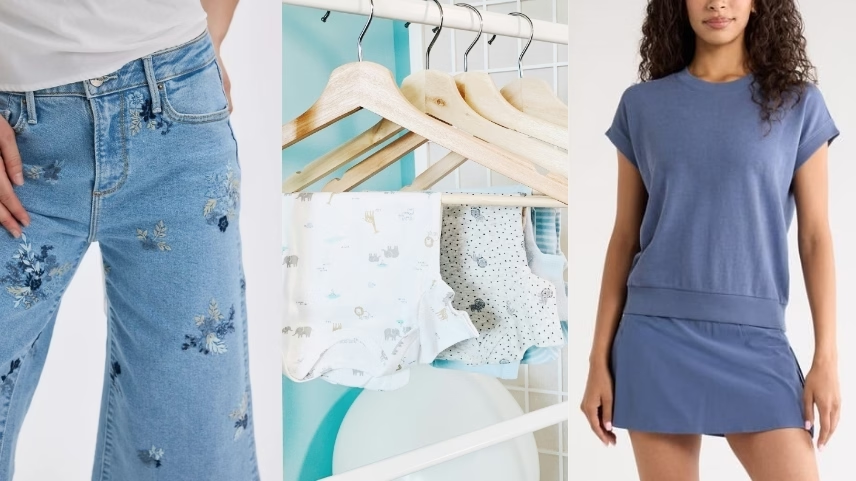
Does Cotton Elastane Lose Shape After Washing?
In most cases, cotton elastane fabric retains its shape well after washing. The elastane fibers help the fabric recover after stretching, reducing the risk of sagging or becoming baggy over time. Compared to 100% cotton garments, cotton elastane products are generally better at maintaining their original fit and appearance after repeated wear and laundering.
However, shape retention also depends on factors such as fabric quality, elastane content, garment construction, and washing practices. Exposure to high temperatures during washing or drying can damage elastane fibers, causing the fabric to gradually lose elasticity. Following washing and care instructions can help preserve the fabric’s stretch and recovery properties for longer.
Cotton Elastane vs. 100% Cotton: Which One Is Better?
Neither cotton elastane nor 100% cotton is inherently better than the other. Both fabrics have distinct advantages and are suited to different applications. While cotton elastane offers added stretch and improved shape retention, 100% cotton remains a popular choice for its natural feel and maximum breathability. Understanding the differences between the two can help you select the most suitable fabric for your specific needs.
| Feature | Cotton Elastane | 100% Cotton |
|---|---|---|
| Stretch | Moderate to High | Little to None |
| Shape Retention | Excellent | Moderate |
| Comfort | Soft with Flexibility | Soft and Natural |
| Breathability | Good | Excellent |
| Fit | More Form-Fitting | Relaxed Fit |
| Wrinkle Resistance | Better | More Prone to Wrinkling |
| Common Uses | Leggings, T-Shirts, Activewear, Baby Clothing | Shirts, Bedding, Towels, Loose-Fit Apparel |
Is Cotton Elastane Eco-Friendly?
Cotton elastane is not the most eco-friendly fabric option available. The elastane component is a synthetic fiber derived from petroleum-based chemicals, which means it is not biodegradable. When cotton elastane garments are washed, they can also release microplastics into the water supply, contributing to a broader environmental concern shared by many synthetic and blended fabrics.
That said, it would not be accurate to label cotton elastane as simply unsustainable. Cotton itself is a natural, biodegradable fiber, and in most blends it makes up the vast majority of the fabric content. The durability and shape retention of the blend also means garments last longer, which reduces the frequency of replacement and overall textile waste.
For those looking for a more responsible option, organic cotton elastane is worth considering. Organic cotton is grown without synthetic pesticides or fertilizers, reducing its impact on soil and water systems while offering the same functional stretch and comfort.
How to Care for Cotton Elastane Fabric?
Cotton elastane is relatively easy to care for, but a few simple habits can make a significant difference in how long your garments stay looking and fitting their best.
Wash with Care
Machine washing is generally fine for cotton elastane, but cold or lukewarm water is strongly recommended. Hot water weakens elastane fibers over time, causing the fabric to lose its stretch and recovery. Turning garments inside out before washing helps protect the outer surface from friction and fading. It is also advisable to avoid washing cotton elastane with heavy items like jeans or towels, as the rougher fabrics can cause unnecessary wear on the blend.
Skip the High Heat
Heat is the biggest enemy of elastane fibers. Tumble drying on a high heat setting can break down the elastane content faster than regular wear ever would. Where possible, air drying is the better option. If using a dryer, a low heat or delicate setting is sufficient. The same principle applies to ironing. If the fabric needs to be smoothed out, use a low temperature setting and avoid ironing directly over any printed or embellished areas.
Give It a Rest
Elastane fibers need time to recover between wears. Wearing the same cotton elastane garment two days in a row, especially fitted pieces like leggings or t-shirts, does not give the fibers enough time to return to their original shape. Rotating between garments and allowing each piece to rest for at least a day helps maintain the stretch and fit of the fabric over time.
Store It Right
How you store cotton elastane garments affects their longevity. Folding is generally preferable to hanging for stretchy items, as hanging can cause the fabric to stretch out under its own weight over time. Store garments in a cool, dry place away from direct sunlight, which can degrade both the cotton fibers and the elastane content with prolonged exposure.
Is Cotton Elastane Good for Printing?
Cotton elastane can produce good printing results, but it requires more consideration than printing on pure cotton. Because the fabric stretches, any print applied to it needs to be flexible enough to move with the fabric without cracking or peeling over time.
Reactive printing is one of the most compatible methods for cotton elastane. The dyes bond directly with the cotton fibers, producing vivid and long-lasting colors that remain soft and breathable after printing. Digital printing is also a popular option, particularly for designs that require fine detail or a wide color range. Modern digital printing inks are generally formulated to flex with stretch fabrics, though proper pre-treatment of the fabric is important for consistent results.
If you are sourcing custom printed cotton elastane fabric, Factotex supplies a range of blend ratios and can help you find the right option for your printing and production needs. Feel free to get in touch with our team to discuss your requirements.
FAQs
Q1: Is cotton elastane good for summer?
A1: Yes. Cotton elastane can be a good choice for summer, particularly when the fabric is lightweight and contains a high percentage of cotton. The cotton fibers help promote airflow and comfort, while the elastane provides flexibility and ease of movement. For hot weather clothing, blends with lower elastane content are often preferred to maintain breathability.
Q2: Is 95% cotton and 5% elastane good?
A2: Yes. A 95% cotton and 5% elastane blend is one of the most popular cotton elastane ratios. It offers a good balance of softness, breathability, stretch, and shape retention, making it suitable for T-shirts, baby clothing, pajamas, loungewear, and many other everyday garments.
Q3: Does cotton elastane shrink?
A3: Cotton elastane can shrink slightly if exposed to high washing or drying temperatures. Following the recommended care instructions can help minimize shrinkage and preserve the fabric’s elasticity.
Q4: Is cotton elastane healthy?
A4: Most cotton elastane is not considered a particularly “healthy fabric”. Elastane is a synthetic fiber produced using petroleum-based chemicals, and some manufacturing processes involve chemical treatments that may leave residues in the finished fabric. For those concerned about chemical exposure, looking for cotton elastane products certified to OEKO-TEX Standard 100 is a practical step, as this indicates the fabric has been tested for harmful substances.
Q5: Is cotton elastane good for skin?
A5: In most cases, yes. The high cotton content makes cotton elastane soft and gentle against the skin. However, individuals with very sensitive skin or specific synthetic fiber sensitivities may want to opt for organic cotton elastane, which is produced without synthetic pesticides or chemical treatments.
Working With Facto Textile

Why Choose Us
- Experienced professional team
- Comprehensive fabric categories
- Fully customization options
- Advanced printing and dyeing technology
- Fast sample and production lead time
- Strict quality inspection and certifications
- Flexible minimum order quantities
- Competitive prices and reliable shipping
Contact Us To Start Your Fabric Project
Please send us your message, we will reply within 20 hours.
Facto Tex
Product & Service
Contact Us
No.888 ZhuJiaWan Street, Gusu District, Suzhou City, Jiangsu Province, China
