What Is Elastane Fabric? A Complete Guide to Stretch Fabric
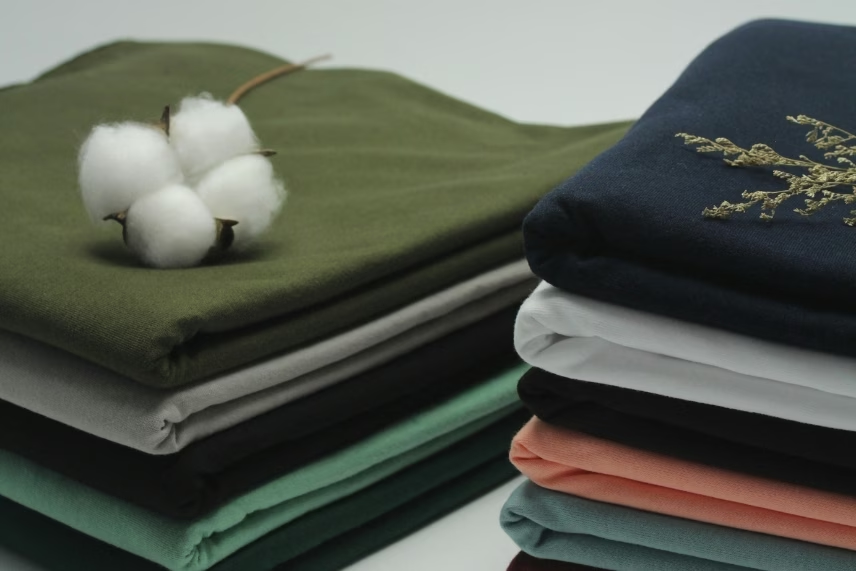
What is elastane fabric, and why does it show up in almost every type of clothing today? Elastane is a synthetic fiber built for stretch. It’s lightweight, incredibly elastic, and almost always blended with other materials to give fabrics the flexibility and shape retention that natural fibers alone can’t deliver.
In this guide, we’ll cover everything you need to know about elastane: what it is, how it’s made, where it’s used, how to care for it properly… Read on to learn why adding just a small amount of elastane can completely change how a fabric feels and performs.
What Is Elastane Fabric?
Elastane is a synthetic fiber known for its exceptional elasticity. Made primarily from polyurethane, it can be stretched to several times its original length and then quickly return to its original shape.
Elastane is usually blended with other fibers rather than used alone. Its main purpose is to add stretch, flexibility, and shape retention to fabrics. Even a small amount (usually between 2% and 20%) can significantly improve the comfort and fit of the fabric.
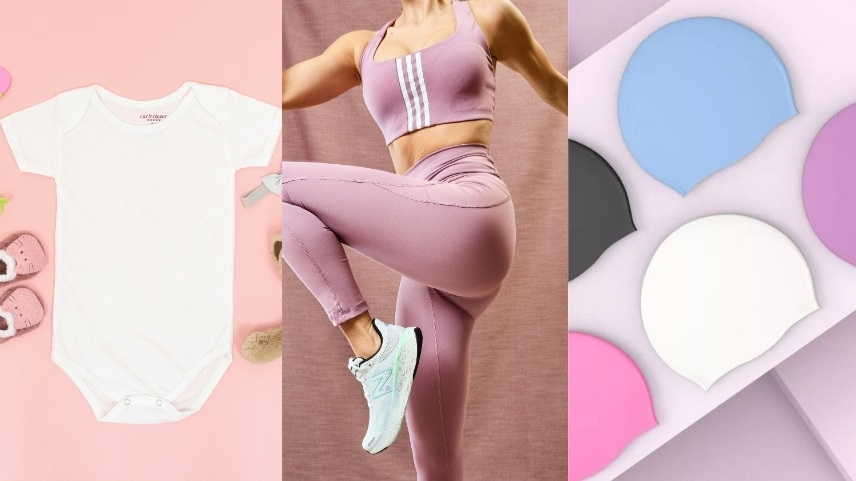
Elastane is commonly found in cotton stretch fabrics, activewear, swimwear, leggings, denim, underwear, and many other close-fitting garments. Its ability to recover after stretching helps clothing maintain its shape over time, reducing sagging and improving durability.
Today, elastane can be blended with a wide range of materials, including cotton, polyester, nylon, modal, and bamboo fibers, to create fabrics that combine comfort, functionality, and flexibility.
| Characteristic | Description |
|---|---|
| Fiber Type | Synthetic Fiber |
| Main Material | Polyurethane |
| Stretchability | Very High (Up to 5–8x its original length) |
| Recovery | Excellent |
| Common Blend Ratio | 2%–10% |
| Common Blends | Cotton, Polyester, Nylon, Modal, Bamboo… |
Elastane vs Spandex vs Lycra: What’s the Difference?
When researching stretch fabrics, you’ll often come across 3 terms: elastane, spandex, and Lycra. While they are closely related, there is a simple difference between them.
Elastane and spandex are 2 names for the same synthetic elastic fiber. The term “elastane” is more commonly used in Europe and many international markets, while “spandex” is the preferred term in North America.
Lycra, however, is different. It is a brand name for elastane fiber, originally developed and trademarked by The Lycra Company. Fabrics labeled as Lycra contain elastane, but not all elastane fabrics are Lycra-branded products.
How Elastane Fabric Is Made?
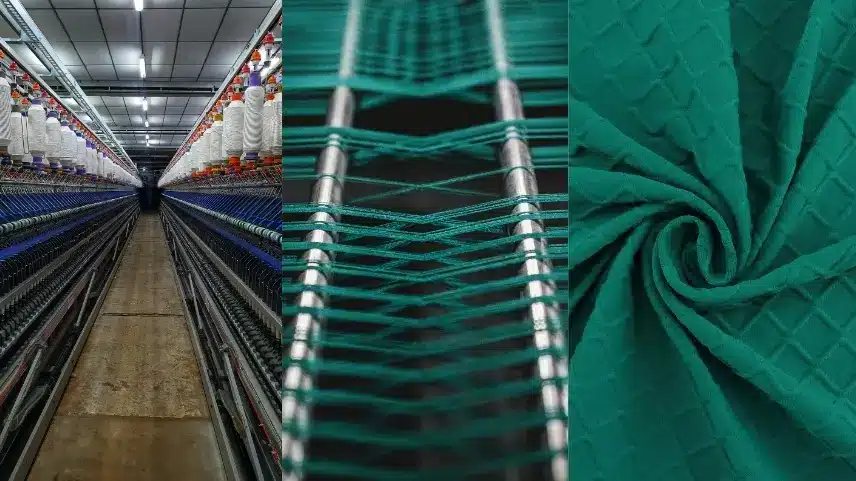
So, how is elastane made? Here’s a step-by-step overview of the manufacturing process:
Polymer Creation
The process begins with the production of a polyurethane-based polymer. This material forms the foundation of elastane and gives the fiber its unique elastic properties.
Fiber Spinning
The liquid polymer is forced through tiny holes called spinnerets, creating long, continuous filaments. As the material exits the spinnerets, it solidifies into fine fibers.
Stretching and Heat Setting
The fibers are stretched under controlled conditions to develop their elasticity. They are then heat-set to stabilize their structure and improve their ability to return to their original shape after stretching.
Winding and Finishing
The finished fibers are wound onto spools and prepared for further processing. Depending on the intended application, they may undergo additional finishing treatments.
Blending With Other Fibers
Because elastane is rarely used on its own, it is usually blended with fibers such as cotton, polyester, nylon, or modal to create fabrics that combine comfort with stretch.
Key Properties of Elastane Fabric
What makes elastane such a popular fiber in the textile industry? Its unique properties allow fabrics to stretch, recover, and maintain their shape while remaining comfortable to wear. Here are the key characteristics of elastane fabric.
Exceptional Stretch
Elastane is best known for its outstanding elasticity. It can stretch several times its original length without breaking, allowing garments to move naturally with the body. Even a small percentage of elastane can significantly increase a fabric’s flexibility.
Strong Shape Recovery
Stretch is only part of the story. Elastane also has excellent recovery, meaning it quickly returns to its original shape after being stretched. This helps garments maintain their fit and prevents them from becoming loose or baggy over time.
Lightweight and Thin
Despite its impressive performance, elastane is an extremely lightweight fiber. It can be blended into fabrics without adding noticeable weight or bulk, making it suitable for everything from lightweight apparel to performance sportswear.
Durability
Elastane is designed to withstand repeated stretching and movement. When blended with other fibers, it helps improve the longevity of garments that are exposed to frequent wear and washing.
Resistance to Abrasion and Sweat
Elastane holds up well against friction and body moisture, making it especially practical for activewear and underwear. It doesn’t break down easily from regular movement or perspiration, contributing to the overall durability of the garment.
What Is Elastane Fabric Used For?
Elastane’s stretch and recovery properties make it useful across a surprisingly wide range of applications. Here’s where you’re most likely to encounter it.
Activewear and Sportswear
Leggings, cycling shorts, yoga pants, compression tops, and athletic jackets all rely on elastane blends to allow full freedom of movement while keeping the garment in place during intense activity. Polyester elastane fabric is especially common in this category, offering moisture-wicking performance alongside the stretch and recovery elastane provides.
Swimwear
Swimwear faces some of the harshest conditions of any garment category, from repeated exposure to chlorine and saltwater to the constant stress of stretching while wet. Elastane blends, typically combined with nylon or polyester, are built to handle all of this while still maintaining shape and fit over time.
Everyday Denim and Bottoms
Stretch denim is one of the most common everyday applications of elastane. Adding a small percentage to denim gives jeans a more comfortable fit without sacrificing the structure and look of traditional denim. For softer, more breathable options in casual trousers and skirts, cotton elastane fabric is a popular choice, combining the natural feel of cotton with just enough stretch for all-day comfort.
Underwear
Underwear needs to fit close to the body, move with it, and maintain their shape through repeated washing. Modal elastane fabric is increasingly favored in this category for its exceptionally soft hand feel and superior stretch recovery, making it a step up from standard cotton blends in terms of both comfort and longevity.
Medical and Therapeutic Textiles
Elastane also plays an important role in medical applications. Compression socks, support bandages, orthopedic braces, and post-surgical garments all use elastane to apply controlled pressure to the body, aiding circulation and recovery.
Formal and Tailored Clothing
Even in more structured garments like suit trousers, blazers, and dress shirts, a small amount of elastane is increasingly added to improve ease of movement and comfort without compromising the tailored appearance.
How Much Elastane Is Enough?
A common misconception is that fabrics with more elastane are always better. In reality, the ideal elastane content depends on the intended use of the fabric. While elastane provides stretch and flexibility, the base fiber still determines much of the fabric’s comfort, appearance, and performance.
For most apparel applications, only a small amount of elastane is needed to noticeably improve fit and freedom of movement. Everyday garments often contain around 3% to 8% elastane, while activewear, swimwear, and bodysuit typically require higher percentages to achieve greater stretch and recovery. The following table shows some common elastane blends and their typical applications:
| Fabric Composition | Common Applications |
|---|---|
| 95% Cotton / 5% Elastane | Baby clothing, t-shirts, dresses, loungewear |
| 95% Polyester / 5% Elastane | Sportswear, training wear, performance apparel |
| 95% Modal / 5% Elastane | Pajamas, underwear, premium loungewear |
| 95% Bamboo / 5% Elastane | Baby clothing, sleepwear, casual wear |
| 92% Polyester / 8% Elastane | Leggings, yoga wear, activewear |
| 90% Nylon / 10% Elastane | Sportswear, dancewear, fitted garments |
| 80% Nylon / 20% Elastane | Swimwear, bodysuit, shapewear |
Generally speaking, fabrics designed for everyday comfort usually require less elastane than garments intended for athletic performance or body-contouring support. The goal is not to maximize elastane content, but to achieve the right balance of comfort, stretch, durability, and shape retention.
Are Fabrics Mixed With Elastane Just Bad?
Not necessarily. The presence of elastane does not determine whether a fabric is high quality or low quality.
In fact, elastane is added to fabrics for a specific purpose: to improve stretch, comfort, and shape retention. Many high-end garments, activewear, and performance fabrics contain elastane because these properties enhance the overall wearing experience.
Problems such as bagging, loss of elasticity, pilling, or poor durability are often related to the quality of the raw materials or manufacturing process rather than the elastane itself.
For example, low-quality fibers, inconsistent yarn production, poor dyeing and finishing, or inadequate fabric construction can all affect the final performance of a fabric. Even a fabric with a small percentage of elastane may perform poorly if these processes are not properly controlled.
A well-made elastane fabric can offer excellent comfort, durability, and shape retention. Ultimately, fabric quality depends on the entire production process, not simply whether elastane is included in the fiber blend.
Pros and Cons of Elastane
Before choosing your elastane fabric, it’s helpful to understand both its advantages and disadvantages.
| Pros | Cons |
|---|---|
| Excellent stretch and flexibility | Sensitive to high temperatures |
| Strong shape recovery | May lose elasticity over time if improperly cared for |
| Improves garment fit and comfort | Less breathable than many natural fibers |
| Helps fabrics retain their shape | Difficult to recycle in blended fabrics |
| Lightweight and thin | Usually cannot be used alone |
| Enhances freedom of movement | Can increase fabric cost slightly |
| Wrinkle resistant | May be damaged by harsh chemicals or excessive heat |
Overall, elastane remains one of the most effective fibers for adding stretch and shape retention to fabrics. If mixed and cared for properly, its benefits often outweigh its limitations in many apparel applications.
How Much Does Elastane Fabric Cost?
The cost of elastane fabric can vary significantly depending on the fiber blend, fabric construction, weight, finishing processes, and order quantity.
The base fiber is often one of the biggest cost drivers. For example, due to differences in raw material costs, polyester spandex fabrics are generally cheaper than modal spandex fabrics.
Fabric construction also plays an important role. Knitted fabrics, woven fabrics, jersey fabrics, and interlock fabrics may vary in price depending on production complexity and material consumption.
In addition, special treatments such as digital printing, brushing, moisture-wicking finishes, anti-pilling treatments, or sustainable certifications can increase the overall fabric cost. The table below provides a general comparison of common elastane fabric types:
| Fabric Type | Relative Cost |
|---|---|
| Polyester Elastane | Low to Medium |
| Cotton Elastane | Medium |
| Bamboo Elastane | Medium to High |
| Modal Elastane | Medium to High |
| Nylon Elastane | High |
| Performance Stretch Fabrics | High |
How to Wash and Care for Elastane Stretch?
Wash in Cold Water
Hot water can gradually weaken elastane fibers and reduce their elasticity over time. Washing garments in cold water helps preserve stretch and extend fabric life.
Use a Gentle Wash Cycle
A gentle cycle reduces friction and stress on the fabric, helping prevent unnecessary wear and maintaining the garment’s original shape.
Avoid High Heat Drying
Excessive heat is one of the main causes of elastane degradation. Air drying is generally the safest option, while low-temperature drying is recommended when using a dryer.
Iron on Low Heat
If ironing is necessary, use a low heat setting. High temperatures can damage elastane fibers and affect their stretch performance.
Avoid Harsh Chemicals
Bleach and strong cleaning agents may weaken elastane fibers over time. Using a mild detergent can help maintain fabric performance.
How Does Elastane Fabric Impact the Environment?
The environmental impact of elastane remains a topic of discussion within the textile industry. As a synthetic fiber, elastane is derived from petrochemical-based materials and can be more difficult to recycle than some single-fiber fabrics.
However, many of the environmental concerns associated with elastane can be reduced through responsible manufacturing practices. By following established environmental standards, improving production efficiency, reducing waste, and investing in more sustainable technologies, manufacturers can help minimize the environmental footprint of elastane production.
As sustainability continues to evolve across the textile industry, ongoing improvements in manufacturing and recycling are expected to support more environmentally responsible stretch fabric solutions in the future.
Conclusion
Elastane is a synthetic stretch fiber that has become an essential part of modern textiles. Although it is typically used in small percentages, it can significantly improve a fabric’s stretch, comfort, fit, and shape retention.
From activewear and sportswear to baby clothing and everyday fashion, elastane is used across a wide range of applications. The ideal elastane content depends on the intended use, but many apparel fabrics achieve an excellent balance of comfort and performance with a relatively small amount of stretch fiber.
Understanding how elastane works, its benefits and limitations, and the role it plays in different fabric blends can help you make more informed sourcing decisions.
Looking for solid color and custom printed stretch fabrics? Contact Factotex today to discuss your project requirements and find the right fabric for your next collection.
FAQs
Q1: Is elastane the same as polyester?
A1: No. Elastane is designed for stretch and elasticity, while polyester is primarily used for durability and moisture management.
Q2: Is elastane fabric good for your skin?
A2: Generally, yes. Elastane is commonly used in clothing and is usually blended with other fibers such as cotton, modal, or polyester.
Q3: Is elastane fabric plastic?
A3: Yes. Elastane is a synthetic fiber made from polyurethane and is generally considered a plastic-based material.
Q4: Is elastane fabric good for summer?
A4: It can be. Comfort in hot weather depends more on the base fiber than the elastane content. Cotton-elastane and modal-elastane blends are popular summer choices.
Q5: Does elastane lose its stretch over time?
A5: Yes. Repeated wear, washing, and exposure to high heat can gradually reduce elasticity over time.
Working With Facto Textile

Why Choose Us
- Experienced professional team
- Comprehensive fabric categories
- Fully customization options
- Advanced printing and dyeing technology
- Fast sample and production lead time
- Strict quality inspection and certifications
- Flexible minimum order quantities
- Competitive prices and reliable shipping
Contact Us To Start Your Fabric Project
Please send us your message, we will reply within 20 hours.
Facto Tex
Product & Service
Contact Us
No.888 ZhuJiaWan Street, Gusu District, Suzhou City, Jiangsu Province, China
