Best Swimwear Fabric: Nylon Elastane vs Polyester Elastane
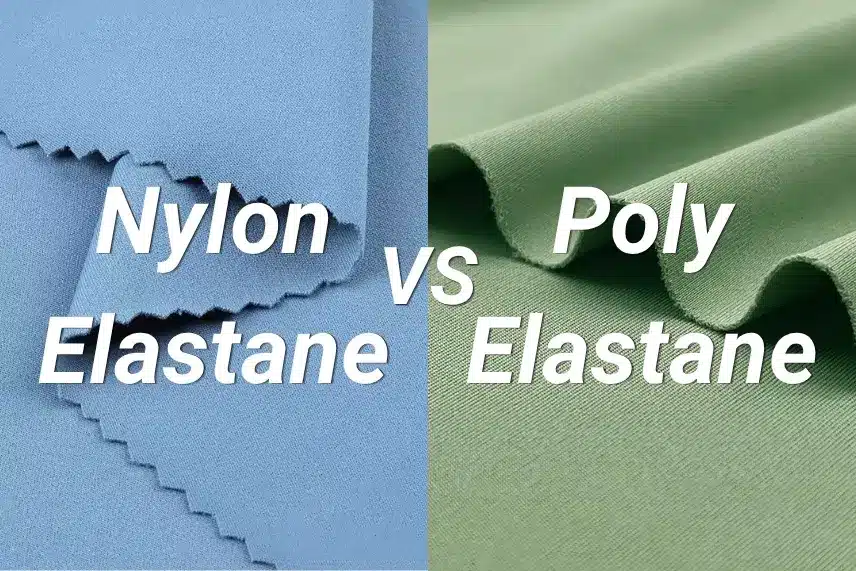
When choosing swimwear fabric, nylon elastane and polyester elastane are often the two main options. Although they may look similar, they differ in softness, durability, chlorine resistance, color retention, and overall performance.
So, which fabric is the better choice for your swimwear? In this guide, we’ll compare nylon elastane and polyester elastane across their key characteristics, performance, and the factors to consider before making a decision.
What Is Polyester Elastane Fabric?
Polyester elastane fabric, also known as polyester spandex fabric, is a synthetic stretch fabric made from polyester and elastane fibers. It combines the strength and durability of polyester with the flexibility and recovery of elastane, making it a popular choice for swimwear, sportswear, and other close-fitting garments.
Want to learn more about this stretch fabric? Read more: What Is Polyester Elastane Fabric? Properties, Uses & Care Guide
What Is Nylon Elastane Fabric?
Nylon elastane fabric, also known as nylon spandex fabric, is a synthetic stretch fabric made from nylon and elastane fibers. Known for its smooth texture and comfortable feel, it offers excellent stretch and creates a close, flattering fit. These qualities make it a popular choice for swimwear, activewear, and other shapewear.
Nylon Elastane vs Polyester Elastane: Key Differences
Both nylon elastane and polyester elastane offer excellent stretch and flexibility, but they perform differently in several key areas. The table below highlights the main differences to help you compare the two fabrics at a glance.
Comparison Table
| Property | Polyester Elastane | Nylon Elastane |
|---|---|---|
| Fiber Composition | Polyester + Elastane (typically 88/12 or 90/10) | Nylon + Elastane (typically 80/20 or 85/15) |
| Softness | Smooth with a slightly firmer feel | Soft, silky, and smooth |
| Stretch & Recovery | Very good | Excellent |
| Chlorine Resistance | Excellent | Moderate |
| UV Resistance | Excellent | Moderate |
| Color Retention | Excellent | Good |
| Durability | High, especially in chlorinated water | Moderate |
| Drying Speed | Fast | Moderate |
| Moisture Absorption | Low | Slightly higher |
| Printability | Excellent, especially for sublimation printing | Good |
| Sustainability | Recycled polyester options widely available | Recycled nylon (e.g., ECONYL) available but less common |
| Price | More affordable | Usually higher cost |
Key Differences Explained
Comfort and Feel
Nylon elastane is well known for its soft hand feel, smooth surface, and lightweight construction, making it a popular choice for fashion swimwear that prioritizes comfort and a close-fitting silhouette. Polyester elastane has a slightly firmer feel but still provides excellent stretch and long-lasting comfort.
Performance and Durability
For swimwear exposed to chlorine, sunlight, and frequent use, polyester elastane generally offers better durability. It maintains its color and shape well over time, making it a practical option for performance swimwear and everyday use.
Printing Results
When developing printed swimwear, fabric selection plays an important role in achieving the desired color and design effect. Polyester elastane is widely used for printed swimwear because it works well with sublimation printing, allowing vibrant colors, sharp patterns, and good color retention over time.
Nylon elastane can also be printed, but it typically requires different printing techniques and more careful process control. Despite this, its soft hand feel and smooth appearance continue to make it a preferred option for premium fashion swimwear.
Cost
Polyester elastane is usually more affordable than nylon elastane, making it a cost-effective solution for brands producing swimwear in larger volumes. Nylon elastane typically comes at a higher price due to the cost of nylon fibers.

88 Poly 12 Elastane Fabric

85 Nylon 15 Elastane Fabric

Shiny Nylon Spandex Fabric
Which Fabric Is Better for Swimwear?
Choosing between nylon elastane and polyester elastane depends on the specific needs of the swimwear product. Both fabrics offer excellent stretch and shape recovery, but they perform differently in many ways.
Performance and Durability
For swimwear that needs to withstand frequent use, polyester elastane is often a preferred choice. It offers excellent resistance to chlorine, UV exposure, and color fading, helping the fabric maintain its appearance and performance over time. This makes it suitable for training swimwear, active swimming, and products designed for regular pool use.
Nylon elastane also provides good durability, with excellent flexibility and abrasion resistance. It is often selected for swimwear where comfort and a softer feel are equally important.
Comfort and Appearance
When comfort and a smooth wearing experience are the priority, nylon elastane is a popular option. Its soft hand feel, lightweight construction, and excellent flexibility create a comfortable fit that works well for fashion swimwear and body-contouring designs.
Polyester elastane provides a supportive feel with reliable stretch and recovery, making it a practical choice for swimwear that needs to balance comfort with long-term performance.
Cost Considerations
Cost is an important factor for many swimwear brands, especially when producing larger collections. Polyester elastane is generally more cost-effective and offers strong performance for its price, making it suitable for a wide range of swimwear applications.
Nylon elastane typically has a higher material cost, but many brands choose it when a softer feel, premium appearance, and enhanced wearing comfort are key selling points.
Our Recommendation
There is no universal winner between nylon elastane and polyester elastane. Polyester elastane is often a better fit for swimwear that requires durability, chlorine resistance, and cost efficiency, while nylon elastane is a strong choice for products that prioritize softness, comfort, and a premium feel.
The best fabric depends on your swimwear design, target customers, and expected performance requirements. For a broader overview of different swimwear materials, read our guide: What’s the Best Fabric for Swimwear & Swimsuits?
How to Choose the Right Swimwear Fabric Supplier?
Choosing the right swimwear fabric supplier is an important step in developing high-quality swimwear products. Beyond selecting the right fabric type, brands should also consider factors such as consistent quality, stable supply, customization capability, and technical support.
A reliable supplier should be able to provide stable fabric performance across different production batches, including consistent stretch, color accuracy, and durability. They should also offer a variety of swimwear fabric options, such as polyester elastane and nylon elastane, to meet the different requirements of fashion swimwear, performance swimwear, and custom collections.
For brands creating unique designs, customization capabilities are also important. A professional supplier should be able to support different requirements, including fabric weight, stretch, color development, and custom printed swimwear fabric solutions.
Facto Textile offers a range of swimwear fabrics, including polyester elastane and nylon elastane blends, suitable for different swimwear applications. If you are looking for a custom printed swimwear fabric supplier or need support choosing the right fabric for your collection, feel free to contact us.
Working With Facto Textile

Why Choose Us
- Experienced professional team
- Comprehensive fabric categories
- Fully customization options
- Advanced printing and dyeing technology
- Fast sample and production lead time
- Strict quality inspection and certifications
- Flexible minimum order quantities
- Competitive prices and reliable shipping
Contact Us To Start Your Fabric Project
Please send us your message, we will reply within 20 hours.
Facto Tex
Product & Service
Contact Us
No.888 ZhuJiaWan Street, Gusu District, Suzhou City, Jiangsu Province, China
