What Is Polyester Elastane Fabric? Properties, Uses & Care Guide
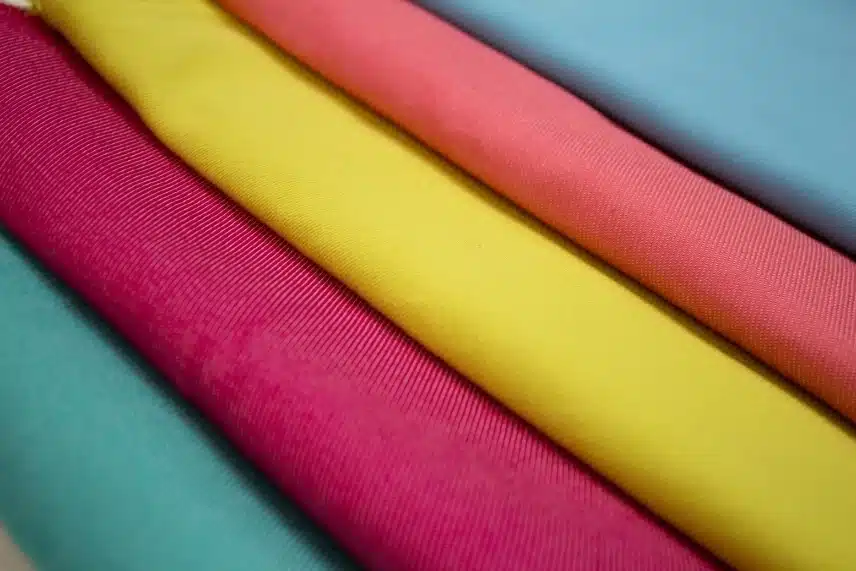
Polyester elastane fabric is a blend of polyester fibers and elastane (also known as spandex or Lycra) that combines durability, flexibility, and comfort. This stretch polyester fabric offers excellent shape retention, quick-drying performance, and resistance to wrinkles, making it a popular choice for activewear, swimwear, leggings, sportswear, and other performance apparel. The amount of elastane in the blend typically ranges from 5% to 20%, depending on the desired level of stretch and recovery.
What Is Polyester Elastane Fabric?
Polyester elastane fabric combines polyester, a synthetic fibre derived from polyethylene terephthalate (PET), with elastane, a highly elastic fibre capable of stretching several times its original length. By adjusting the ratio of each fibre, manufacturers can develop fabrics suited to a wide range of apparel applications.
In Europe, this fabric is commonly referred to as polyester elastane, while the term polyester spandex is more frequently used in North America. Both names describe the same fibre blend, with elastane and spandex being different names for the same elastic fibre.
How Is Polyester Elastane Fabric Made?
Polyester elastane fabrics can be produced using either knit or woven constructions. Woven construction interlaces yarns at right angles, creating a structured, lower-stretch fabric that is commonly used in trousers and outerwear. Knit construction forms interlocking loops, which is inherently more elastic and, combined with elastane, produces the high-stretch, high-recovery fabric used in swimwear and activewear. In practice, circular knitting is one of the most common methods used to manufacture knit polyester elastane fabrics. After production, the fabric undergoes heat-setting to stabilise its dimensions and set the elastane fibres, directly affecting recovery performance.
How Much Elastane Is Typically In The Blend?
The ratio of polyester to elastane varies depending on the intended application. The elastane percentage is the primary variable, determining how much stretch the fabric delivers, how firmly it recovers, and how it performs under specific end-use conditions. The most common poly elastane blends and their typical applications are as follows:
| Elastane Content | Polyester Content | Stretch Level | Typical Applications |
|---|---|---|---|
| 5–8% | 92–95% | Light stretch | Casual athleisure, lightweight jackets, outerwear linings |
| 10–12% | 88–90% | Moderate stretch | Activewear, athleisure, recreational swimwear |
| 15–18% | 82–85% | High stretch | Performance swimwear, leggings, fitted sportswear |
| 20%+ | 80% or below | Maximum stretch | Shapewear, compression wear, performance leggings |
For the majority of swimwear and activewear applications, a blend in the 10–15% elastane range offers the most practical balance of stretch, recovery, durability, and printability. It is worth noting that increasing elastane content beyond 18–20% can begin to affect the fabric’s sublimation print quality, as a lower polyester percentage reduces dye uptake and colour saturation.
Key Properties Of Polyester Elastane Fabric
Stretch And Recovery
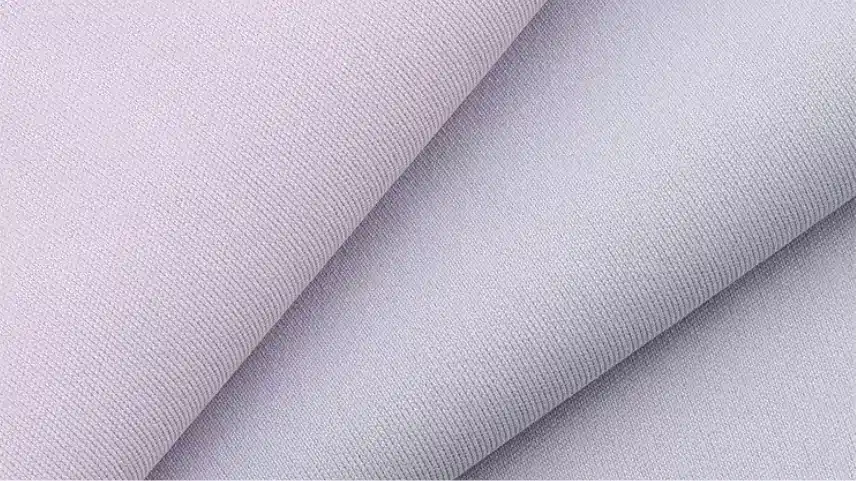
Polyester elastane fabric can be engineered for either two-way or four-way stretch. Two-way stretch fabric extends in a single direction, typically across the width of the fabric, and is suitable for garments where movement is mainly needed in one plane. Four-way stretch fabric extends both along the length and across the width, allowing garments to move with the body in multiple directions at once.
Equally important is recovery, which is the fabric’s ability to return to its original dimensions after stretching. High-quality polyester elastane retains its shape through repeated wear and washing cycles, resisting the sagging and distortion that affect lower-grade stretch fabrics.
Moisture-Wicking And Quick-Dry
Polyester fibres are inherently hydrophobic, meaning they do not absorb water in the way that natural fibres such as cotton do. Instead, moisture is transported away from the skin surface through the fabric structure, where it evaporates quickly. As a result, polyester elastane fabric dries significantly faster than cotton-based alternatives. This is an important performance attribute for swimwear, gym wear, and any garment worn during physical activity, and is often highlighted as a key selling point in product descriptions aimed at active consumers.
Durability And Resistance
Polyester elastane is a technically resilient fabric, with several characteristics that contribute to its durability:
- Chlorine resistance: Polyester fibres hold up well against the degrading effects of pool chemicals, making the fabric suitable for regular swimwear use. Nylon elastane generally offers higher chlorine resistance, a distinction addressed in the comparison section below.
- UV resistance: Polyester has good inherent UV stability, helping the fabric retain its colour and structural integrity with prolonged sun exposure.
- Abrasion resistance: The synthetic fibre structure resists pilling and surface wear under friction, extending the usable life of finished garments.
Printability And Color Vibrancy
Polyester elastane is well suited to digital sublimation printing. Polyester fibres have an open molecular structure that allows dye to bond directly with the fibre under heat and pressure, rather than sitting on top of the fabric as a surface coating. This means the print becomes part of the fibre itself, which is why sublimation-printed polyester elastane resists cracking, peeling, and fading even after repeated washing and prolonged sun or chlorine exposure.
The same fibre structure also allows polyester to take up dye with high colour density, producing prints with strong saturation, sharp detail, and accurate colour reproduction across large, all-over designs.
What Is Polyester Elastane Fabric Used For?
Activewear And Sportswear
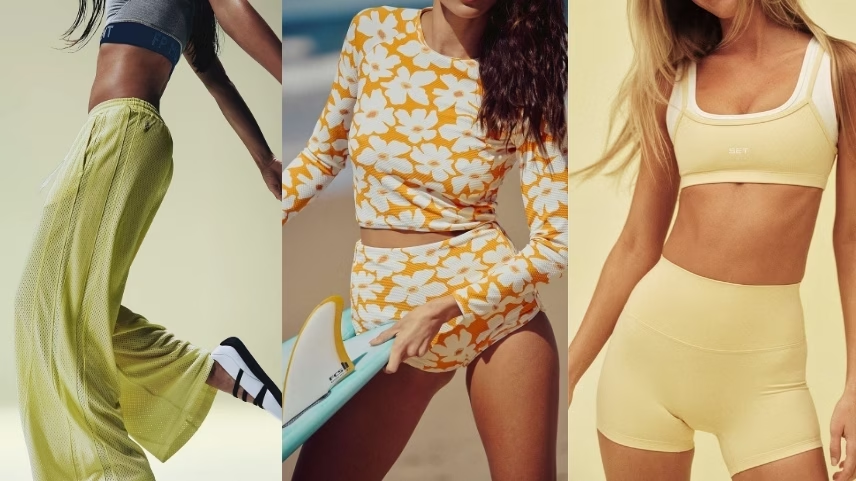
Polyester spandex fabric is widely used in activewear and sportswear. 95% polyester 5% spandex athletic knit fabric is a popular choice in this category. Leggings, cycling shorts, sports bras, training tops, and compression garments all rely on the combination of stretch, recovery, moisture management, and durability that the fabric provides.
Its quick-drying properties also help improve comfort during physical activity, while its resistance to frequent washing makes it well suited to garments that experience regular use.
Swimwear
Polyester elastane is one of the most commonly used fabrics for recreational and competitive swimwear. It holds up well against chlorine and saltwater, dries quickly between wears, and resists the fading. Even after frequent wear throughout a swimming season, it will not deform. Many swimwear brands favour 4-way stretch swimsuit poly lycra fabric, as the multidirectional stretch allows the fabric to move with the body during swimming while recovering its shape afterwards, rather than stretching out of place.
In addition, it is also suitable for heat sublimation printing, which adds another advantage for swimwear brands, allowing custom patterns to maintain color and detail even after repeated contact with pool water and seawater.
Lingerie, Shapewear And Athleisure
Beyond sports and swimwear, polyester lycra fabric is frequently used in lingerie, shapewear, and athleisure apparel. The fabric’s stretch properties allow garments to contour comfortably to the body, while its recovery performance helps maintain fit throughout repeated wear.
Depending on the construction and elastane content, polyester elastane fabrics can range from lightweight and soft to firm and supportive, making them suitable for a variety of body-fitting applications.
Polyester Elastane Vs Nylon Elastane: Which Should You Choose?
Both polyester elastane and nylon elastane are the most widely used stretch fabrics. The decision between them depends on end-use requirements, budget positioning, and design priorities.
| Feature | Polyester Elastane | Nylon Elastane |
|---|---|---|
| Stretch & Recovery | Good | Excellent |
| Hand feel | Slightly firmer | Softer and smoother |
| Cool Touch | Moderate | Better |
| Printing | Excellent | Limited |
| Durability | High | High |
| Breathability | Excellent | Good |
| Cost | Lower | Higher |
When Polyester Elastane Is The Better Choice
Polyester elastane is often the preferred choice for collections that rely heavily on printed designs. The fabric works particularly well with digital sublimation printing, allowing colours to appear vibrant and patterns to remain sharp, even in complex or highly detailed artwork. This makes polyester elastane especially popular for custom printed swimwear, activewear, and fashion-forward performance apparel.
It also has excellent breathability, allowing air to pass through the fabric more readily than nylon elastane. This makes it a strong choice for garments worn in warm conditions or during high-intensity activity, where airflow helps regulate body temperature. Combined with its lower cost, polyester elastane is a practical option for brands producing higher volumes or operating across mid-market price points.
When Nylon Elastane Has The Edge
Nylon elastane offers a noticeably softer and smoother hand feel, which is the primary reason it is often preferred for premium swimwear, lingerie, and hosiery where skin-contact comfort is a key quality attribute. It is also generally considered to have a slight edge in stretch, with a softer, more supple recovery than polyester elastane.
It also has a better cool touch, meaning the fabric feels cooler against the skin on contact. These qualities come at a higher cost than polyester elastane, but for brands positioning at the upper end of the market, where a premium feel and tactile quality are part of the product proposition, the additional cost is often considered justified.
What To Consider When Buying Polyester Elastane Fabric?
Choosing the right polyester elastane fabric involves more than selecting a fibre blend. Factors such as fabric weight, stretch level, construction, and printing requirements can all influence the performance and appearance of the finished garment. Understanding these specifications can help brands select a fabric that aligns with both product requirements and customer expectations.
Fabric Weight
Fabric weight, measured in grams per square metre (GSM), affects drape, opacity, and end-use suitability. General guidelines for polyester elastane:
- 150–200 GSM: lightweight, suited to linings, base layers, and summer activewear
- 200–260 GSM: mid-weight, the standard range for swimwear and general activewear
- 260–320 GSM: heavier weight, suited to compression garments and structured sportswear
Swimwear fabrics typically fall in the 200–240 GSM range. Fabrics outside this window may result in garments that lack opacity in water or feel overly stiff in wear.
Elastane Content
The percentage of elastane influences how much stretch and recovery the fabric provides. Lower elastane percentages generally offer moderate flexibility and greater dimensional stability, while higher elastane contents create a closer fit and increased freedom of movement. Selecting the appropriate blend ratio helps ensure the fabric performs as intended.
Printing Requirements
Not all polyester elastane fabrics are equally suited to sublimation printing. Key factors to confirm with your supplier:
- Polyester content: sublimation requires a minimum of approximately 80% polyester for adequate dye uptake. Lower polyester content produces duller, less saturated results.
- Fabric finish: certain surface treatments can inhibit dye transfer. Confirm that the fabric has not been treated with finishes incompatible with sublimation.
- Color of base fabric: sublimation dyes are translucent. For accurate colour reproduction, sublimation printing is most effective on white or light-coloured base fabric.
End Use
The final application should determine every fabric specification decision. Clearly defining the end use before requesting samples or placing orders will ensure that fabric performance, weight, and construction align with the finished product requirements.
How To Care For Polyester Elastane Fabric?
Proper care extends the life of polyester elastane garments and preserves both the fabric’s performance properties and print quality. The following guidelines apply to finished garments as well as fabric yardage in storage:
- Washing: machine wash on a cold or warm cycle (30–40°C). Hot water can degrade elastane fibres over time and cause the fabric to lose recovery.
- Detergent: use a mild, non-biological detergent. Avoid fabric softeners, which coat synthetic fibres and reduce moisture-wicking performance.
- Drying: air dry where possible. If machine drying is necessary, use a low heat setting. High heat accelerates elastane degradation.
- Ironing: if required, iron on a low synthetic setting. Do not iron directly over sublimation-printed areas.
- Chlorine exposure: rinse swimwear garments in fresh water immediately after pool use to remove residual chlorine before washing.
FAQs
Q1: Is polyester elastane fabric good?
A1: Yes. Polyester elastane offers a strong balance of stretch, recovery, durability, fast drying, and print compatibility at a relatively low cost, making it a reliable choice for activewear, swimwear, and other close-fitting garments.
Q2: Is polyester elastane good for swimwear?
A2: Yes. It dries quickly, resists fading from sun and chlorine, and holds its shape well over repeated use.
Q3: Does polyester elastane shrink?
A3: Not significantly under normal conditions, as polyester itself is shrink-resistant. However, high heat from washing or drying can weaken the elastane over time, making garments feel looser even though their overall dimensions haven’t changed. Cool washing and low-heat drying help preserve fit.
Q4: Is polyester elastane breathable?
A4: Generally, yes, particularly in knit constructions used for activewear and swimwear. Breathability can vary with knit density and finishing, but polyester elastane typically performs well compared to other synthetic blends.
Q5: How long does the stretch in polyester elastane last?
A5: With proper care, the stretch and recovery can last through extended regular wear and washing. High heat and prolonged chlorine exposure are the main factors that accelerate elastane breakdown, so cool washing, low-heat drying, and rinsing swimwear after pool use help extend stretch performance.
Working With Facto Textile

Why Choose Us
- Experienced professional team
- Comprehensive fabric categories
- Fully customization options
- Advanced printing and dyeing technology
- Fast sample and production lead time
- Strict quality inspection and certifications
- Flexible minimum order quantities
- Competitive prices and reliable shipping
Contact Us To Start Your Fabric Project
Please send us your message, we will reply within 20 hours.
Facto Tex
Product & Service
Contact Us
No.888 ZhuJiaWan Street, Gusu District, Suzhou City, Jiangsu Province, China
