Poplin vs Twill: Which is the Best Men’s Shirt Fabric?

As an essential item in a man’s wardrobe, choosing the right shirt involves much more than just color and style. The right fabric affects how the shirt feels on your skin, how it looks throughout the day, and how well it holds up over time. Even a perfectly tailored shirt can feel uncomfortable or look unpolished if the fabric is not suited to the season or occasion.
Among so many fabric options, poplin and twill are the two most commonly used fabrics for making shirts. Although both are popular choices for business and formal occasions, they offer very different wearing experiences.
In this blog, we will compare poplin and twill in detail, focusing on their key differences, advantages, and drawbacks. By the end, you’ll have a clear understanding of which fabric is the best choice for your shirt needs. Let’s get started!
Understanding Poplin Weave
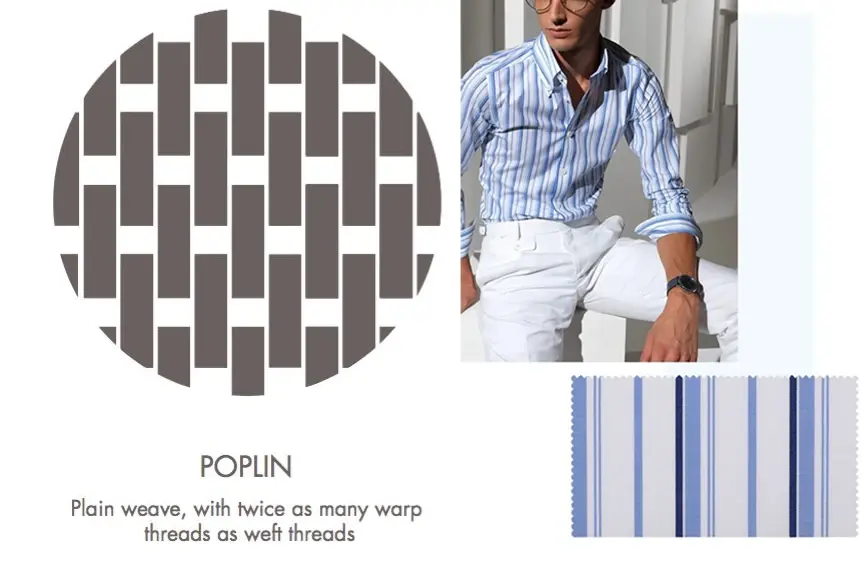
Poplin is characterized by its plain weave, which is one of the simplest and most widely used weaving techniques. In this weaving method, the weft yarn passes alternately over and under the warp yarns, creating a tight and uniform fabric structure. Because the yarns are evenly distributed, poplin has no obvious texture or raised patterns, presenting a clean and delicate look.
Understanding Twill Weave
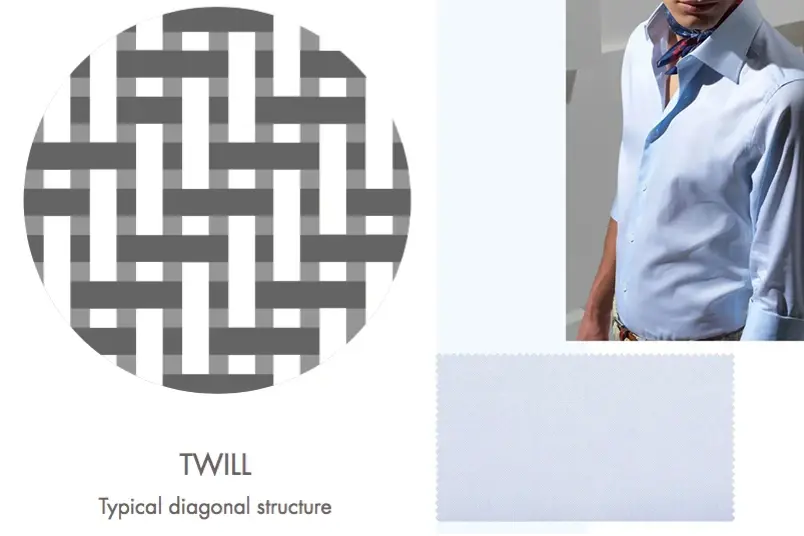
Twill cloth is easily recognized by its diagonal structure, which typically runs from the lower left to the upper right. Twill weave is created by interlacing one weft yarn over multiple warp yarns in a repeated sequence. Different arrangements of warp and weft crossings produce variations in texture and drape, such as 2×2, 3×1, or 4×4 twill patterns.
Poplin vs Twill: What are the Differences?
Weight and Thickness
When you hold Poplin and Twill fabrics, the difference in weight is immediately noticeable. Poplin used for shirting typically ranges from 100 to 140 gsm. Its plain weave gives it a light and airy texture, which makes it comfortable and easy to layer. The fabric feels crisp but less substantial, which can lead to minor wrinkling.
Twill, on the other hand, is generally 140 to 200 gsm, giving it a thicker, more textured surface. Its diagonal weave produces a natural drape, a sturdier feel, and better shape retention. The increased thickness enhances durability and helps mask minor wrinkles, making Twill a practical choice for everyday wear.
Comfort and Breathability
The plain weave of Poplin allows air to circulate freely, offering a breathable, soft feel that adapts well to different movements and climates. Twill, with its denser weave, is slightly less breathable but provides a softer, fuller texture against the skin. Twill’s hand-feel is more substantial, making it comfortable for extended wear and in cooler conditions, while Poplin is better suited for warm weather and situations where a crisp, lightweight feel is desired.
Durability and Wrinkle Resistance
Poplin’s light structure makes it less durable and more prone to creasing. Frequent use or washing may cause visible wear over time. Twill’s diagonal weave increases fabric strength, allowing it to resist wear and maintain its shape for longer periods. The texture of Twill also hides minor wrinkles, helping it retain a polished appearance with less effort.
Texture and Feel
Poplin offers a smooth, flat texture with a crisp, clean hand-feel. It emphasizes sharp lines and a formal, professional look. Twill’s diagonal texture provides depth and richness, adding subtle sophistication while giving the fabric a soft and substantial hand-feel. This textural difference influences both appearance and the perceived quality of the shirt.
Appearance and Style
Poplin presents a uniform, polished surface ideal for formal business attire. Its smooth finish creates a sharp and elegant look. Twill’s textured diagonal lines add visual interest and versatility, allowing it to suit professional, casual, or smart-casual outfits. Poplin emphasizes crispness and formality, whereas Twill balances structure, softness, and a sophisticated appearance.
Pros and Cons of Poplin and Twill
Poplin Pros & Cons
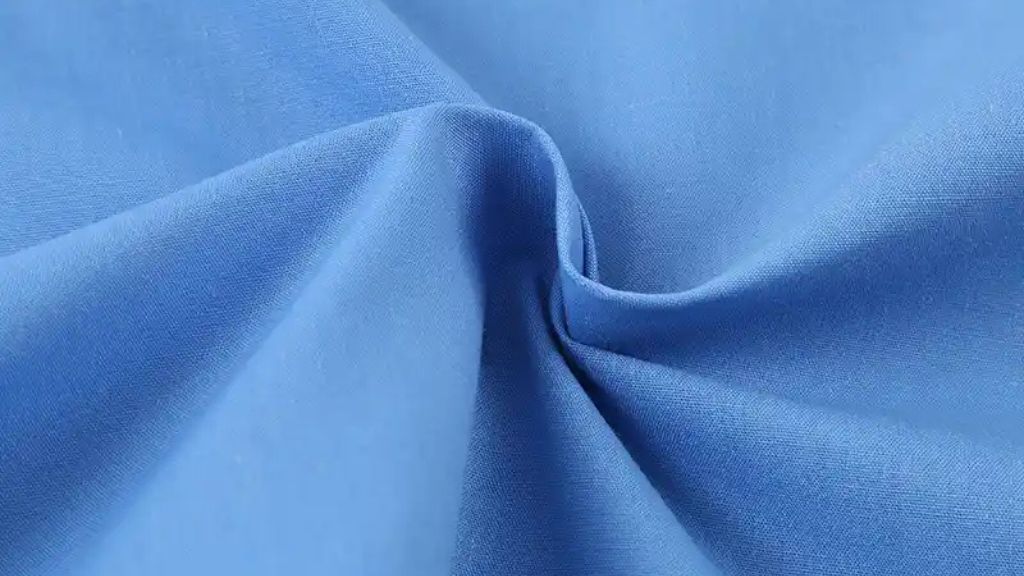
Poplin excels in breathability, lightness, and formal appearance. It is comfortable in warm conditions and creates a clean, polished aesthetic suitable for professional settings. Its lightweight nature also allows easy layering without adding bulk. However, Poplin is less durable and more prone to wrinkling. Its thin structure may not feel substantial in cooler environments, and maintaining its crisp appearance requires careful handling and frequent ironing.
Twill Pros & Cons
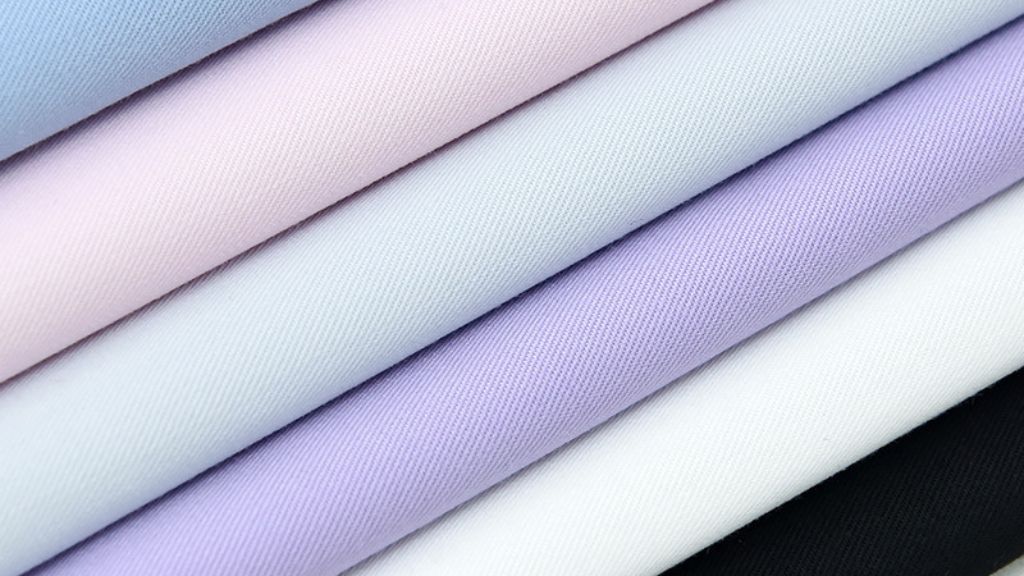
Twill offers superior durability, wrinkle resistance, and a fuller, more substantial feel. Its diagonal weave gives it a refined texture that conceals minor wrinkles and maintains shape over time. Twill is versatile, suitable for office, business casual, and even smart-casual settings, and requires less maintenance than Poplin. The drawbacks are that it is heavier, slightly less breathable in hot weather, and can appear less crisp for strictly formal occasions. It may also be more expensive depending on quality.
How to Choose the Right Fabric for Shirt?
Consider the Season
Seasonal factors are key. Poplin’s light, breathable structure is ideal for spring and summer, keeping the wearer cool and comfortable. Twill’s heavier and denser weave provides warmth and a more substantial feel, making it better suited for fall and winter.
Consider the Occasion
Poplin is perfect for formal business meetings, office wear, and occasions where a crisp, polished look is essential. Twill is more versatile, able to suit professional settings and smart-casual events alike. Its subtle texture allows for style flexibility without compromising a professional appearance.
Consider Style Preferences
Those who prefer smooth, sleek, and sharp-looking fabrics often favor Poplin. Individuals who appreciate texture, drape, and a fuller feel may find Twill more appealing. Personal style and how the fabric complements other wardrobe elements, like jackets, suits, or layering pieces, can influence the choice.
Consider the Price
Poplin is generally more affordable, suitable for expanding a basic shirt collection. Twill, though sometimes more expensive, provides durability, wrinkle resistance, and long-term shape retention, which may justify the cost for frequent wear and long-term investment.
How to Care for Poplin and Twill Fabric?
Washing
Poplin and Twill should be washed carefully to protect their weave. Poplin, being lightweight and smooth, benefits from cold or lukewarm water and gentle washing cycles to prevent shrinkage and preserve its crisp finish. Twill, while more robust, should also avoid harsh washing conditions to maintain its diagonal texture and prevent wear. Using mild detergents and avoiding excessive agitation helps both fabrics retain their original hand-feel and appearance.
Ironing
Proper ironing helps maintain a neat, professional look. Poplin requires low to medium heat ironing, ideally while the fabric is slightly damp, to restore its crispness without damaging the fibers. Twill is more resilient and can withstand medium to high heat, but ironing along the diagonal lines of the weave rather than directly against them helps preserve its subtle texture and prevents flattening the diagonal ribs.
Storage
Correct storage minimizes wrinkles and fabric deformation. Hanging both Poplin and Twill shirts on appropriate hangers helps maintain their shape, while folding carefully is recommended when packing for travel to avoid deep creases. For longer-term storage, keeping shirts in a cool, dry environment prevents yellowing and fabric degradation.
Daily Tips
Regular shirt rotation ensures that no single piece is overused, reducing wear and extending its lifespan. Avoid excessive washing, as repeated laundering can weaken fibers over time. Promptly treating stains and allowing the shirts to air out between wears helps maintain freshness and appearance. By following these practices, both Poplin and Twill shirts can remain comfortable, functional, and visually appealing for years.
Conclusion
Neither poplin nor twill is universally “best”, it depends on your priorities. Poplin offers lightweight breathability and a formal crispness, ideal for hot weather and polished looks. Twill provides durability, wrinkle resistance, and versatile sophistication, excelling in cooler seasons and everyday use. By weighing factors like climate, occasion, and personal comfort, you’ll select the fabric that keeps your shirts looking sharp and feeling great for years.
FAQ
Q1: Is poplin better for hot weather?
A1: Yes. Poplin is lightweight and breathable, making it perfect for hot or humid conditions. Its smooth weave allows air to circulate, keeping you cool and comfortable throughout the day.
Q2: Which fabric is more durable, poplin or twill?
A2: Twill is more durable. Its diagonal weave makes it stronger and more resistant to wear and tear, while poplin, being lighter, wrinkles more easily and is less robust over time.
Q3: Is twill suitable for formal occasions?
A3: Twill can work for semi-formal or business-casual settings, but poplin is usually preferred for strictly formal occasions due to its crisp and smooth appearance.
Q4: Which fabric is easier to maintain?
A4: Twill is easier to maintain. It resists wrinkles better and often requires less ironing, whereas poplin, while elegant, usually needs careful ironing to keep its crisp look.
Q5: How do the fabrics feel on the skin?
A5: Poplin feels smooth, soft, and lightweight, giving a crisp and clean sensation. Twill has a slightly textured feel, heavier but comfortable, providing a more substantial and cozy touch.
Working With Facto Textile

Why Choose Us
- Experienced professional team
- Comprehensive fabric categories
- Fully customization options
- Advanced printing and dyeing technology
- Fast sample and production lead time
- Strict quality inspection and certifications
- Flexible minimum order quantities
- Competitive prices and reliable shipping
Contact Us To Start Your Fabric Project
Please send us your message, we will reply within 20 hours.
Facto Tex
Product & Service
Contact Us
No.888 ZhuJiaWan Street, Gusu District, Suzhou City, Jiangsu Province, China
