What Is Satin Fabric? Types, Uses, Benefits & Care Guide
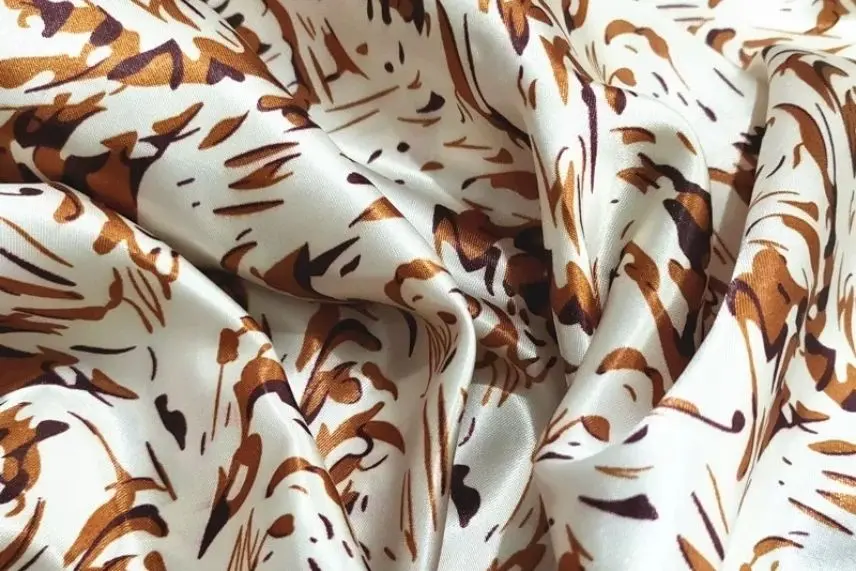
What is satin fabric, and why is it so smooth and shiny? You’ve probably seen satin in dresses, pajamas, or pillowcases, but what exactly is it? How is it different from fabrics like silk and sateen? In this guide, you’ll learn what satin fabric is, how it’s made, its different types, common uses, and how to care for it properly.
What is Satin Fabric?
Satin does not refer to a specific type of fiber, but rather to a weaving structure known as “satin weave”. This structure reduces the intersection points of the warp and weft yarns and concentrates the long threads on the fabric surface, giving one side a highly smooth and glossy appearance, while the other side has a relatively low-gloss matte effect.
Unlike material classifications defined by fiber origin, satin fabric can be made from a variety of fibers, including natural fibers such as silk, regenerated fibers such as rayon (viscose fiber), and synthetic fibers such as polyester and nylon. Nowadays, satin is widely used in women’s apparel, including dresses, camisoles, casual wear and more.
How Is Satin Fabric Made?
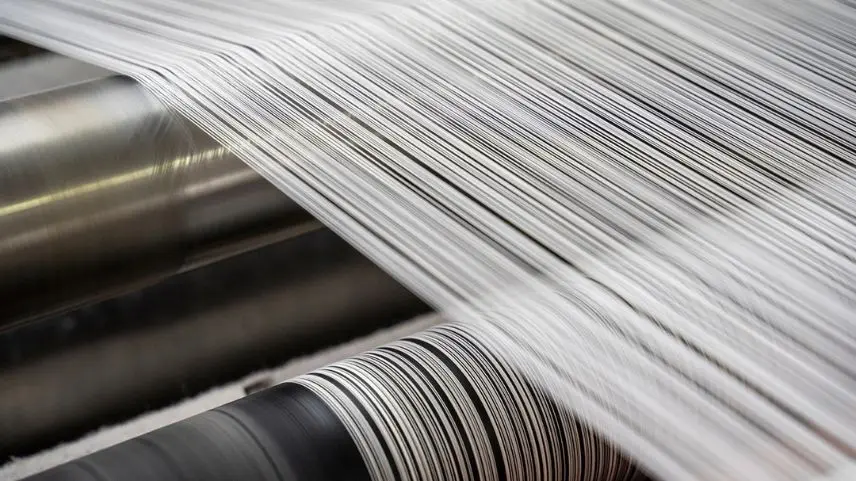
Satin fabric is produced through a multi-step process that combines fiber preparation, weaving, and finishing.
First, the raw fibers are spun into smooth, continuous yarns. The quality of these yarns plays an important role in how soft and shiny the final fabric will be.
Next comes the weaving stage. The yarns are set on a loom and arranged in a way that allows them to pass over several threads before being interlaced again. This controlled arrangement is what creates the smooth surface that satin is known for.
After weaving, the fabric goes through a finishing process. It may be washed, dyed, or treated to enhance its softness, color, and sheen. In some cases, additional finishing techniques are used to give the fabric a more polished or luxurious appearance.
Finally, the finished satin fabric is inspected and prepared for use in products such as clothing, bedding, or decorative textiles.
What are the Different Types of Satin Fabric?
Charmeuse Satin
Charmeuse satin is one of the lightest and most commonly used types of satin. It is made with a satin weave that produces a very shiny front side and a matte back. The fabric is extremely soft, lightweight, and has a strong fluid drape, meaning it flows easily with body movement. Because of these properties, it is widely used in lingerie, sleepwear, blouses, and dresses that require a soft, elegant fall rather than structure.
Crepe Back Satin
Crepe back satin is a reversible fabric with 2 clearly different surfaces: one side is smooth and glossy like traditional satin, while the other side has a crepe texture with a more matte and slightly grainy feel. This duality gives designers flexibility in garment construction, as either side can be used depending on the design effect. It is commonly used in formal dresses, evening wear, and bridal gowns where contrast or subtle texture variation is needed.
Duchess Satin
Duchess satin is a heavier and more structured type of satin fabric. It has a dense weave that gives it a firm hand feel and a strong, rich sheen on the surface. Unlike lightweight satins, it does not drape loosely but instead holds shape very well. Because of this structural stability, it is frequently used in wedding dresses, corsets, and evening gowns that require volume and silhouette definition.
Baronet Satin
Baronet satin is a heavy, high-shine satin known for its durability and bold, reflective surface. It is typically thicker than most other satin types and has a more dramatic visual effect under light. Due to its firmness and strong appearance, it is often used in stage costumes, theatrical outfits, uniforms, and decorative fashion pieces where visual impact is more important than softness.
Antique Satin
Antique satin has a slightly irregular surface texture and a more subdued, less uniform sheen compared to traditional satin. This gives it a vintage or understated elegant appearance. It is less glossy but more visually textured, making it suitable for formal wear, evening dresses, and decorative garments where a softer, more classic aesthetic is preferred.
What is Satin Fabric Used For?
Evening wear & Formal dresses
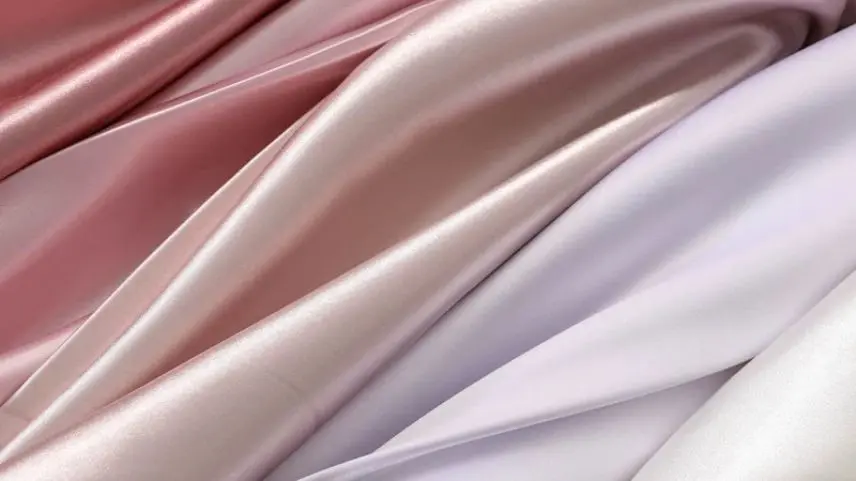
Satin is often chosen for dresses that need a polished, elegant look. It catches light in a soft way, which makes simple designs look more refined without extra detailing. You’ll usually see it in cocktail dresses, formal gowns, and outfits meant for events where appearance matters.
Bridal gowns & Wedding attire
Wedding dresses made from satin tend to feel structured but still soft. Heavier versions help gowns keep their shape, especially styles like ball gowns or A-line silhouettes. It also works well in photos because the fabric reflects light gently instead of looking flat.
Lingerie & Sleepwear
Lighter satin is commonly used in pieces worn close to the body, like lingerie, camisoles, and pajamas. The main reason is its comfort. The satin surface is smooth, so it doesn’t rub or feel rough against the skin. On top of that, it gives sleepwear a more polished, luxurious look.
Pillowcases & Bedding
Satin pillowcases have become popular not just for looks, but for how they feel during sleep. Because the surface is smooth, hair doesn’t catch or tangle as easily, and skin experiences less friction overnight. It also gives bedding a cleaner, more upscale appearance.
Scrunchies & Eye masks
Satin scrunchies are often used because they’re gentler on hair than standard elastic fabrics. They help reduce pulling and breakage, especially when tying hair up for long periods or sleeping. Satin eye masks are chosen for a similar reason: the soft texture feels comfortable on the face, and they help block out light without pressure on the eyes.
How to Care for Satin Fabric?
Washing tips
Cold water and a mild detergent are usually the safest choice for satin. Many satin items can be hand washed, which reduces friction and helps protect the weave. If you’re using a washing machine, a delicate cycle and a laundry bag can help minimize damage during the wash.
Drying tips
Air drying works best for satin. High heat from tumble dryers can dull the fabric’s finish or weaken the fibers, so it’s better to let it dry naturally. Laying it flat or hanging it in a shaded area helps preserve both shape and color.
Ironing tips
Satin can crease easily, but it should always be handled with low heat. Turning the fabric inside out or using a protective cloth between the iron and the surface helps avoid leaving marks or shine spots.
Storage tips
Because satin is smooth, it can catch on rough surfaces. Keeping it separate from items with zippers, hooks, or textured fabrics helps prevent snags. A garment bag or soft storage space works best for longer-term storage.
Advantages and Disadvantages of Satin Fabric
| Aspect | Advantages | Disadvantages |
| Appearance | Has a smooth, glossy surface that gives garments and home items a polished, elegant look. | The shine can sometimes highlight wrinkles or imperfections in the fabric. |
| Comfort | Feels soft against the skin and reduces friction, especially in clothing and bedding. | Some synthetic satin types may feel less breathable in warm weather. |
| Drape & Structure | Drapes beautifully, making it ideal for flowing dresses and elegant silhouettes. | Can be too slippery or lightweight for structured sewing projects. |
| Durability | Synthetic satin (like polyester) can be quite durable and easy to maintain. | Delicate versions, especially silk satin, can snag or tear more easily. |
| Care & Maintenance | Many satin fabrics are relatively easy to wash with gentle care. | Requires careful handling. Heat, rough washing, or friction can damage the surface. |
Satin vs Silk: What’s the Difference?
Satin and silk are often confused because they can look and feel similar at first glance, but they are actually very different in terms of what they are and how they are made.
Silk is a natural fiber produced by silkworms. It is a raw material that can be spun into fabric on its own. Satin, on the other hand, is not a fiber but a weaving technique. It describes how a fabric is constructed rather than what it is made from.
This means satin can be made from different materials, including silk, polyester, or nylon. For example, silk satin refers to satin fabric woven using silk fibers, while polyester satin uses synthetic fibers but follows the same weaving method.
In terms of feel and appearance, both can have a smooth surface and a soft sheen. However, silk is usually more breathable and luxurious in feel, while satin (especially synthetic satin) is more affordable and easier to maintain.
Silk is the material, while satin is the structure. That’s why you can have silk satin, but not all satin is silk.
| Feature | Satin | Silk |
| Definition | A weaving technique (how fabric is made) | A natural fiber (what fabric is made from) |
| Material | Can be made from polyester, silk, nylon, etc. | Made from natural silk fibers produced by silkworms |
| Feel & Appearance | Smooth and glossy on one side, varies by fiber used | Naturally soft, smooth, and slightly lustrous |
| Breathability | Depends on the fiber (synthetic satin is less breathable) | Highly breathable and temperature-regulating |
| Durability | Synthetic satin is often more durable and easier to care for | More delicate and requires careful maintenance |
| Price | Generally more affordable (especially polyester satin) | Usually more expensive |
Satin vs Sateen: Understanding the Difference
Satin and sateen are often confused because their names and appearance sound similar, but they are actually created in different ways and usually use different fibers.
Satin refers to a weaving technique that produces a smooth, glossy surface on one side of the fabric. Sateen, on the other hand, uses a similar weaving structure but is typically made from cotton fibers instead of silk or synthetic materials.
Because of this difference in fiber, satin usually has a shinier and more slippery finish, while sateen tends to feel softer, slightly heavier, and more matte in appearance. Both are comfortable, but they create very different textures and visual effects.
To make it easier to understand, here’s a simple comparison:
| Feature | Satin | Sateen |
| Definition | A weaving technique with a glossy surface finish | A cotton-based fabric woven using a satin-like structure |
| Fiber Type | Can be made from silk, polyester, nylon, etc. | Usually made from cotton |
| Surface Feel | Smooth, shiny, and often more slippery | Soft, smooth, and slightly matte |
| Appearance | High sheen, reflective surface | Subtle sheen, more muted look |
| Weight & Texture | Can range from lightweight to heavy depending on fiber | Typically heavier and more substantial |
| Common Uses | Dresses, lingerie, bedding, formal wear | Bedsheets, pillowcases |
Conclusion
Satin fabric is a popular choice for its luxurious sheen and excellent drape. Whether you’re looking for stunning evening gowns, delicate lingerie, or sophisticated home décor, understanding the different types, uses, and care methods of satin will help you make the best decisions.
While it requires gentle handling due to its delicate nature, the beauty and versatility of satin fabric make it well worth the extra care. With the right knowledge, you can enjoy its stunning look and soft feel for years to come.
FAQs
Q1: What kind of fabric is satin?
A1: Satin is not a fiber but a type of weave. It describes how the fabric is constructed rather than what it is made from.
Q2: Is satin fabric suitable for summer?
A1: Yes, lightweight satin can be suitable for summer, but heavier satin may feel too warm depending on the material.
Q3: Is 100% polyester still satin?
A1: Yes. Satin refers to the weave, so polyester satin is still satin as long as it uses a satin weave structure.
Q4: What kind of satin is best for pillowcases?
A1: Lightweight satin like charmeuse or smooth polyester satin is commonly used for pillowcases because it feels soft and reduces friction on hair and skin.
Q5: Can satin be 100% cotton?
A1: Yes, but it is usually called sateen. It uses a satin-style weave but is made from cotton fibers.
Working With Facto Textile

Why Choose Us
- Experienced professional team
- Comprehensive fabric categories
- Fully customization options
- Advanced printing and dyeing technology
- Fast sample and production lead time
- Strict quality inspection and certifications
- Flexible minimum order quantities
- Competitive prices and reliable shipping
Contact Us To Start Your Fabric Project
Please send us your message, we will reply within 20 hours.
Facto Tex
Product & Service
Contact Us
No.888 ZhuJiaWan Street, Gusu District, Suzhou City, Jiangsu Province, China
