What is Polyester Fabric? Properties, Uses, Pros & Cons
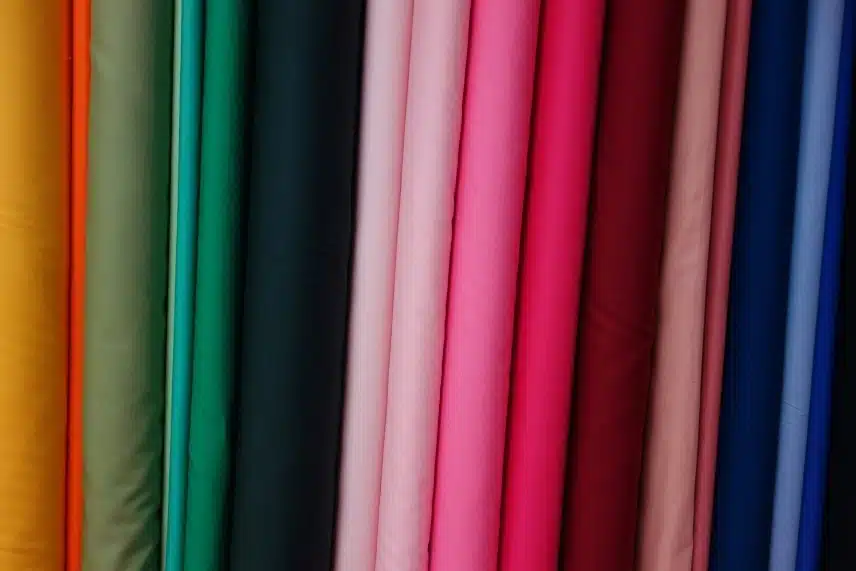
Polyester is one of the most widely used synthetic fibers, but many people still have questions about what polyester fabric is and how it’s made. This guide will explain everything you need to know about polyester fabrics, helping you to better understand this material.
What is Polyester Fabric?
Polyester fabric is a synthetic textile made from polyester fibers, most commonly polyethylene terephthalate (PET). It is produced from petroleum-derived raw materials through a chemical polymerization process before being spun into fibers and woven or knitted into fabric.
The origins of polyester can be traced back to the early 20th century. During the 1930s, American chemist Wallace Hume Carothers conducted pioneering research on polymer chemistry. Although his early polyester experiments were not suitable for commercial textile production, his work established the scientific foundation for the development of synthetic fibers. Carothers later led the invention of nylon, the world’s first commercially successful synthetic fiber.
Building on these early discoveries, British chemists John Rex Whinfield and James Tennant Dickson developed polyethylene terephthalate (PET) in 1941 while working for the Calico Printers’ Association. They patented the new polymer, which offered the strength, stability, and heat resistance needed for textile applications.
In 1951, Imperial Chemical Industries (ICI) introduced Terylene, the world’s first commercial polyester fiber. Soon after, DuPont acquired the rights to manufacture polyester in the United States and launched Dacron, helping establish polyester as a major synthetic fiber in the global textile industry.
How is Polyester Fabric Made?
The production of polyester fabric begins with petroleum-derived raw materials and involves several manufacturing stages, including polymerization, melt spinning, yarn production, fabric construction, and finishing. Each step plays an important role in determining the quality and performance of the final fabric.
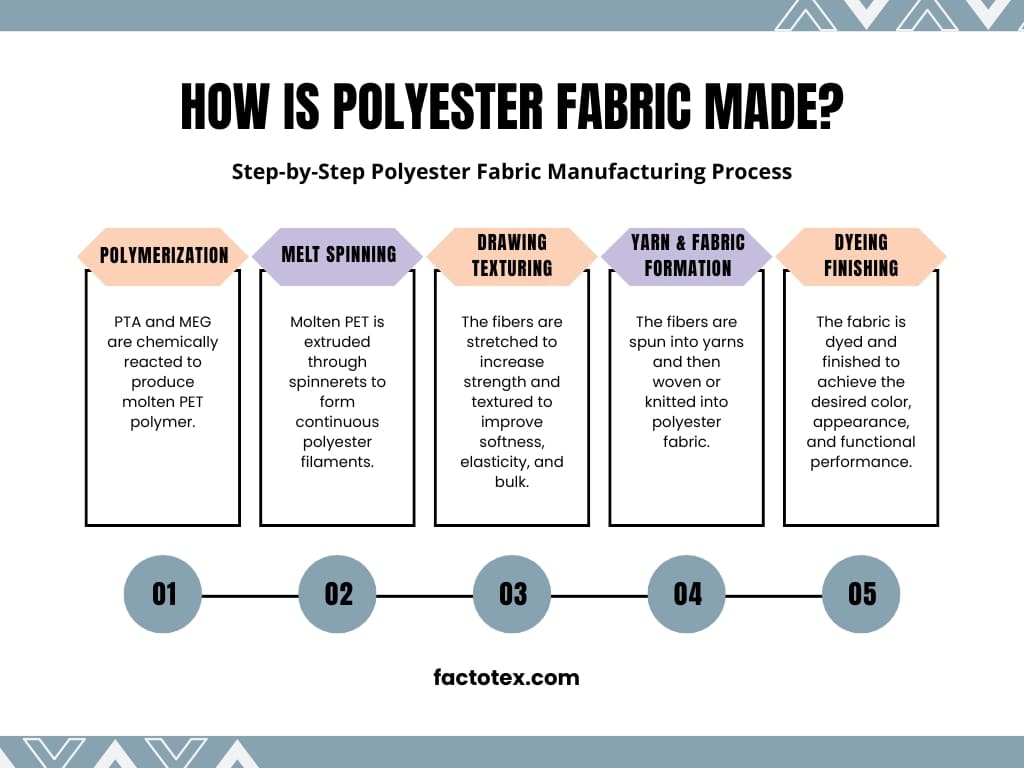
Although the manufacturing process follows the same basic stages, different production techniques and finishing treatments can produce polyester fabrics with distinct characteristics. Depending on the intended application, manufacturers can create fabrics with varying textures, weights, durability, and functional finishes to meet different performance requirements.
Key Properties of Polyester Fabric
The properties listed below are the inherent characteristics of polyester fibers. Additional performance features, such as water repellency, moisture wicking, or flame resistance, are typically achieved through specialized manufacturing processes or finishing treatments.
| Property | Description |
|---|---|
| High Strength | Polyester fibers have high tensile strength and can withstand repeated stretching, pulling, and daily wear. |
| Wrinkle Resistance | The stable molecular structure of polyester helps the fabric maintain its shape and resist wrinkles. |
| Dimensional Stability | Polyester has low shrinkage and maintains its original shape and size even after repeated washing and use. |
| Low Moisture Absorption | Polyester fibers absorb less moisture than many natural fibers, which contributes to quick drying performance. |
| Color Retention | Polyester holds dyes well and maintains color brightness after repeated washing and long-term use. |
| Chemical Resistance | Polyester has good resistance to many chemicals, including mild acids and solvents, under normal conditions. |
| Lightweight | Polyester fibers provide good strength while maintaining a relatively low weight, creating fabrics that are easy to handle and wear. |
| Abrasion Resistance | Polyester has good resistance to friction and surface wear, helping fabrics remain durable over time. |
Pros & Cons of Polyester Fabric
Pros of Polyester Fabric
- Durable and Long-Lasting: Polyester fabric has excellent strength and abrasion resistance, making it less likely to tear, stretch, or wear out with regular use.
- Easy to Care For: Polyester is resistant to wrinkles and shrinkage, making it easy to wash, dry, and maintain compared with many natural fabrics.
- Quick Drying: Because polyester fibers absorb very little moisture, fabrics dry quickly after washing or exposure to water.
- Good Color Retention: Polyester holds dyes well, helping fabrics maintain their color and appearance over time.
- Affordable and Versatile: Polyester can be produced efficiently at a relatively low cost and can be engineered into different textures, weights, and finishes for various applications.
Cons of Polyester Fabric
- Less Breathable Than Natural Fibers: Polyester does not absorb moisture as readily as fibers like cotton, which may affect comfort in hot or humid conditions.
- Can Retain Odors: The low moisture absorption of polyester can cause sweat and odors to remain on the fabric more easily compared with some natural fibers.
- Environmental Concerns: Traditional polyester is made from petroleum-based resources and is not biodegradable, creating concerns related to resource consumption and textile waste.
- Sensitive to High Heat: Polyester has a relatively low melting point compared with some natural fibers, so excessive heat during ironing or drying may damage the fabric.
Different Types of Polyester Fabric
PET Polyester
PET polyester is the standard form of polyester and the most widely produced type. It offers a balanced combination of strength, dimensional stability, and durability, making it the basic polyester material used in most textile production.
PCDT Polyester
PCDT polyester has a different molecular structure from standard PET polyester, giving it greater resilience and durability. It is typically thicker and more robust, making it suitable for applications where stronger fabric performance is required.
Microfiber Polyester
Microfiber polyester is made from extremely fine fibers that create a softer and smoother fabric surface. Compared with regular polyester, it has a lighter feel, better drape, and a more delicate texture.
Recycled Polyester (rPET)
Recycled polyester is made from recycled PET materials rather than entirely from new petroleum-based resources. Its performance is generally similar to conventional polyester, but its main difference lies in the source of the raw materials.
Bio-Based Polyester Fibers
Bio-based polyester fibers use renewable resources as part of their raw materials instead of relying completely on fossil-based sources. They are still developing compared with traditional polyester but represent an effort to reduce the environmental impact of polyester production.
Common Uses of Polyester Fabric
Apparel
Polyester is widely used in apparel, particularly in sportswear, activewear, uniforms, outerwear, and everyday clothing. In many garments, polyester is blended with other fibers to create fabrics with a balance of performance, comfort, and cost. Common examples include polyester elastane blends for stretch garments and polyester cotton blends for uniforms, workwear, and casual clothing.
Home Textiles
Polyester is commonly used in bedding, curtains, upholstery, blankets, and other household textiles because of its durability, color retention, and easy maintenance. Microfiber polyester is particularly popular in products such as beach towels, bath towels, cleaning cloths, and bedding due to its fine fibers, soft texture, and smooth surface.
Outdoor & Performance Products
Polyester is widely used in outdoor products such as jackets, backpacks, tents, sleeping bags, and protective covers. Its strength, abrasion resistance, and low moisture absorption make it suitable for products that need to withstand frequent use and outdoor conditions. Additional coatings or finishes are often applied to improve properties such as water resistance and UV protection.
Industrial Textiles
Polyester fibers are also used in technical and industrial textiles, including filtration fabrics, conveyor belts, safety materials, and geotextiles. Their high strength, dimensional stability, and resistance to wear make them suitable for demanding applications.
Sustainable Textiles
Recycled polyester (rPET) is increasingly used in apparel, bags, and home textiles as a more sustainable alternative to conventional polyester. It is made from recycled PET materials, such as used plastic bottles and polyester waste, which helps reduce the demand for virgin petroleum-based resources and supports textile recycling initiatives. While rPET offers similar performance characteristics to traditional polyester, its main difference lies in the use of recycled raw materials.
Custom Printed Textiles
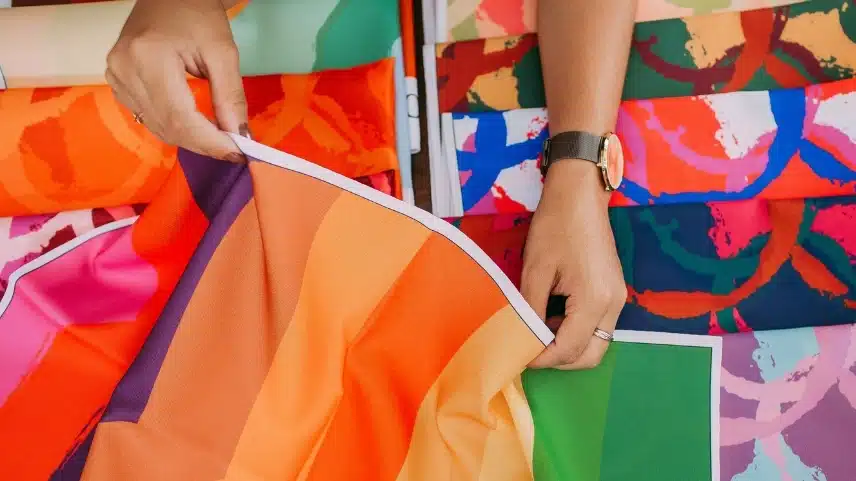
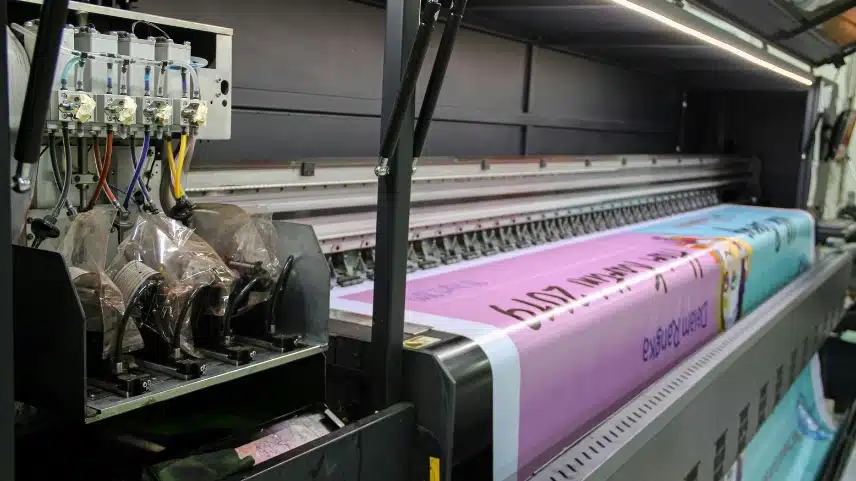
Polyester fabric is a popular choice for custom printing because it works particularly well with dye sublimation technology. The fibers allow dyes to bond effectively with the fabric, producing clear designs and stable colors. This makes polyester suitable for print-on-demand products.
Polyester vs Other Fabrics
Polyester has different characteristics compared with other commonly used textile fibers. The table below provides a quick comparison of polyester, cotton, nylon, and viscose across several key properties.
| Feature | Polyester | Cotton | Nylon | Viscose |
|---|---|---|---|---|
| Fiber Type | Synthetic fiber | Natural fiber | Synthetic fiber | Regenerated cellulose fiber |
| Durability | High durability and abrasion resistance | Moderate durability | Very high strength and abrasion resistance | Lower durability, especially when wet |
| Softness | Moderate | Soft and comfortable | Smooth with a slightly firmer feel | Soft with a smooth drape |
| Moisture Absorption | Low | High | Low | High |
| Wrinkle Resistance | Excellent | Low | Good | Low |
| Drying Speed | Fast drying | Slow drying | Fast drying | Slower drying |
| Care Requirements | Easy care | Requires more maintenance | Easy care | Requires more careful handling |
How to Care for Polyester Fabric?
Polyester fabric is generally easy to maintain because of its durability, wrinkle resistance, and dimensional stability. However, care methods may vary depending on the fabric structure. Lightweight polyester fabrics such as polyester satin and polyester chiffon have smoother surfaces and more delicate structures, requiring gentler handling during washing and maintenance.
Washing Polyester Fabric
Most polyester fabrics can be machine washed with warm or cold water. Use a mild detergent and avoid excessive heat, as high temperatures may affect the fiber structure or damage certain finishes.
Drying Polyester Fabric
Polyester dries quickly and can usually be air-dried or tumble-dried at a low temperature. Avoid high heat during drying, as excessive heat may cause shrinkage or affect the fabric’s surface.
Ironing Polyester Fabric
Polyester is naturally wrinkle-resistant, so it usually requires minimal ironing. If ironing is needed, use a low heat setting and avoid direct high temperatures that may melt or damage the fibers.
Storing Polyester Fabric
Store polyester garments and textiles in a clean, dry place. Avoid prolonged exposure to direct sunlight, especially for colored fabrics, as this may gradually affect color appearance.
Is Polyester Fabric Sustainable?
The sustainability of polyester fabric depends on its raw materials, production process, and end-of-life management. Traditional polyester is made from petroleum-based resources and is not biodegradable, which creates environmental concerns related to resource consumption and textile waste.
However, recycled polyester (rPET) provides a more sustainable alternative by using recycled PET materials instead of virgin petroleum-based resources. It offers similar performance to conventional polyester while helping reduce the demand for new raw materials. Bio-based polyester is another developing option that uses renewable resources as part of the production process, although its commercial availability is still limited.
Overall, polyester is not considered a naturally sustainable fiber, but improvements in recycling technology and alternative raw materials are helping reduce its environmental impact.
FAQs
Q1: Is 100% polyester unhealthy?
A1: 100% polyester is generally considered safe for clothing and textile products. However, some people may prefer natural fibers like cotton due to differences in breathability and fabric feel.
Q2: Which is better, cotton or polyester?
A2: Neither cotton nor polyester is better in every situation. Cotton is softer and more breathable, while polyester is more durable, wrinkle-resistant, and quick-drying. The better choice depends on the intended use and desired fabric performance.
Q3: Is polyester good for skin?
A3: Polyester is generally suitable for most people, but comfort depends on the fabric construction, finishing, and individual preferences. Some polyester fabrics may feel less breathable than natural fibers, while softer options such as microfiber polyester can provide a smoother feel against the skin.
Q4: Is nylon and polyester the same?
A4: No. Both are synthetic fibers, but nylon generally offers higher strength and elasticity, while polyester provides better color retention and dimensional stability.
Q5: What does polyester feel like?
A5: Polyester usually feels smooth and lightweight, with a slightly firm texture. The feel can vary depending on the fiber type and the fabric construction.
Working With Facto Textile

Why Choose Us
- Experienced professional team
- Comprehensive fabric categories
- Fully customization options
- Advanced printing and dyeing technology
- Fast sample and production lead time
- Strict quality inspection and certifications
- Flexible minimum order quantities
- Competitive prices and reliable shipping
Contact Us To Start Your Fabric Project
Please send us your message, we will reply within 20 hours.
Facto Tex
Product & Service
Contact Us
No.888 ZhuJiaWan Street, Gusu District, Suzhou City, Jiangsu Province, China
