What Is Linen Fabric? Complete Guide to Linen Material
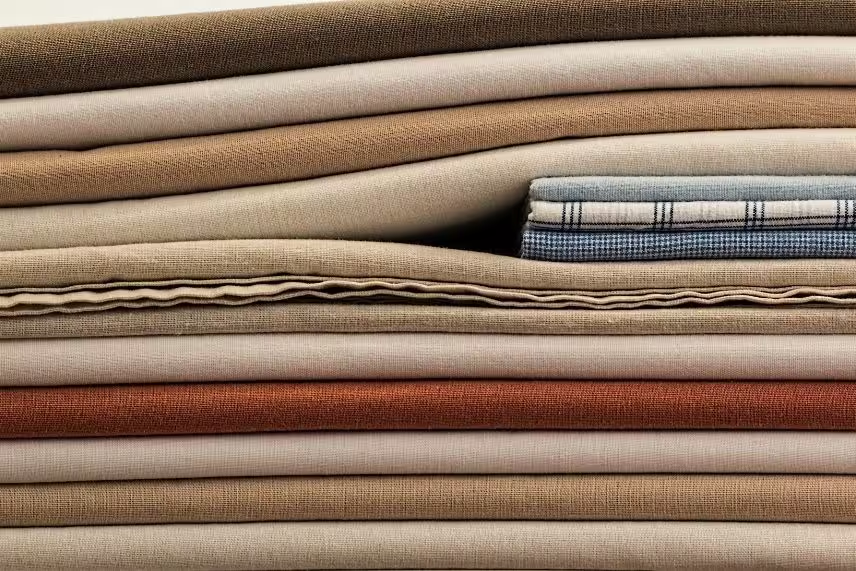
Linen fabric is one of the oldest and most widely used natural textiles in the world. Made from the fibers of the flax plant, linen is known for its breathable feel, natural texture, and long-lasting durability.
This detailed blog will provide you with vital insights, explaining what linen fabric is, how it’s made, the different types of linen fabrics, common linen blends, and how linen compares with fabrics like cotton and bamboo. Let’s get started!
What Is Linen Fabric?
Linen fabric is a natural textile made from the fibers of the flax plant, scientifically known as Linum usitatissimum. These fibers are naturally strong and contain a hollow structure that helps linen absorb moisture and release heat efficiently.
Compared with many other natural fibers, flax fibers are longer and less elastic, which contributes to linen’s durability and slightly textured appearance. This structure also explains why linen wrinkles more easily than cotton.
Today, linen fabric is commonly associated with lightweight summer clothing and relaxed interior design aesthetics, but its applications extend far beyond fashion. Linen is also widely used in bedding, table linens, curtains, upholstery, towels, and even industrial products.
A Brief History of Linen Fabric
Linen has been used for thousands of years and is considered one of the oldest textiles in human history. Ancient civilizations, especially in Egypt and Mesopotamia, used linen for clothing, household fabrics, and ceremonial purposes.
During the Middle Ages, linen production became an important part of the European textile industry. Countries such as Belgium, France, and Ireland became known for producing high-quality flax and linen fabrics.
Although cotton later became more common in mass-market textiles, linen continued to be valued for its durability, breathability, and premium appearance. Its natural texture and relaxed aesthetic remain widely appreciated in both fashion and interior design.
How Is Linen Fabric Made?
Producing linen fabric takes significantly more time and processing than many other natural textiles. From harvesting flax plants to spinning and weaving the fibers, each stage affects the texture, durability, and overall quality of the final fabric.
Although modern production methods have improved efficiency, linen manufacturing still involves several specialized steps that contribute to its premium feel and higher price point.
Harvesting Flax
The process begins with harvesting mature flax plants. Instead of being cut, flax is usually pulled from the ground to keep the fibers as long as possible. Longer fibers generally produce smoother and stronger linen fabric. After harvesting, the plants are bundled and dried before further processing.
Retting the Flax Fibers
Once dried, the flax stalks go through a process called retting. During this stage, moisture and natural microorganisms break down the outer stalk so the usable fibers can be separated more easily. Retting plays an important role in determining the softness and quality of the final linen fabric.
Separating and Cleaning the Fibers
After retting, the flax stalks are crushed and combed to remove woody materials and short fibers. This process leaves behind long, soft flax fibers that are suitable for spinning. The cleaner and longer the fibers, the smoother and more durable the linen fabric tends to be.
Spinning Linen Yarn
The refined flax fibers are then spun into yarn. Depending on the intended use, manufacturers may produce finer yarns for lightweight clothing or thicker yarns for upholstery and heavier textiles.
Weaving the Fabric
Finally, the linen yarn is woven into fabric using different weaving methods and fabric constructions. The finished material may also go through additional treatments such as washing, softening, or dyeing depending on the final application.
Different Types of Linen Fabric
Linen fabrics are available in a wide range of textures and finishes, each suited to different applications. The texture, softness, and appearance of linen can vary significantly depending on how the fabric is woven and finished.
Plain-Woven Linen
Plain-woven linen is one of the most commonly used linen fabrics because of its balanced texture and versatility. It uses a simple weave structure that creates a breathable and durable material suitable for both apparel and home décor.
This type of linen usually feels light and crisp at first, but it softens gradually with washing and regular use. Because it combines structure with airflow, plain-woven linen is widely used for shirts, dresses, lightweight trousers, curtains, and table linens.
Many everyday linen products on the market are made with plain-woven linen because it offers the classic natural texture people typically associate with linen fabric.
Damask Linen
Damask linen is recognized for its woven patterns and more decorative appearance. Unlike plain linen fabrics, damask linen often features floral or geometric designs created directly during the weaving process rather than through printing.
The fabric is commonly used for tablecloths, napkins, and decorative upholstery where a more refined look is preferred. Its smoother surface and elegant finish make it popular in formal dining and luxury interior settings.
Loosely Woven Linen
Loosely woven linen has a softer and more open structure that allows air to pass through the fabric easily. This gives it a relaxed texture and a lightweight feel compared with tighter linen constructions.
Because of its absorbency and breathability, loosely woven linen is often used for towels, reusable kitchen cloths, and casual home textiles. The fabric tends to have a more natural and relaxed appearance, which works well in minimalist and coastal interior styles.
Sheeting Linen
Sheeting linen is specifically designed for bedding applications such as bed sheets, duvet covers, and pillowcases. Compared with heavier linen fabrics, it has a smoother surface and a softer hand feel that becomes increasingly comfortable over time.
One reason linen bedding remains popular is its ability to regulate temperature throughout the year. The fabric stays breathable in warm weather while still feeling comfortable during cooler seasons. High-quality sheeting linen is often stone washed or pre-washed to create a softer texture before it reaches consumers.
Washed Linen
Washed linen goes through an additional washing process after weaving to reduce stiffness and create a softer, more relaxed texture. Compared with untreated linen, it feels more comfortable immediately and typically has a slightly casual, lived-in appearance.
This finish is especially popular in modern bedding and casual fashion because it softens the naturally crisp texture of flax fibers without removing linen’s breathable qualities. Washed linen also tends to drape more naturally, making it suitable for loose garments, curtains, and soft furnishings.
Linen Blends & Linen-Look Fabrics
Not all fabrics labeled as “linen” are made from 100% flax fibers. Linen is often blended with other materials to improve softness, reduce wrinkling, lower costs, or create different textures. There are also many linen-look fabrics designed to imitate the appearance of linen while using synthetic fibers.
Understanding the difference between pure linen, linen blends, and linen-look fabrics can help consumers choose the right material for clothing, upholstery, bedding, or decorative applications.
Common Linen Blend Fabrics
Linen blends combine flax fibers with other natural or synthetic materials to balance comfort, durability, and maintenance. Different blends create different textures and performance characteristics depending on the intended use. Here are some of the most common linen blend fabrics:
Cotton Linen Blend
Cotton linen blends are among the most common alternatives to pure linen fabric. These fabrics typically contain 30%–70% linen combined with cotton fibers, depending on the desired texture and price range.
Higher cotton content usually creates a softer fabric with fewer wrinkles, while a higher percentage of linen maintains a more textured and breathable feel. This balance makes cotton linen blends popular for shirts, dresses, lightweight trousers, tote bags, and casual home textiles. Heavier cotton linen fabrics are also commonly used in canvas-style materials for upholstery and decorative applications.
Rayon Linen Blend
Rayon linen blends have a softer and more fluid drape than traditional linen fabrics. Many fabrics in this category contain around 60%–80% rayon with linen added for texture and breathability.
The rayon content reduces stiffness and gives the fabric a smoother hand feel, making it especially popular for women’s dresses, blouses, and relaxed summer garments. Compared with pure linen, rayon linen fabrics wrinkle less and move more naturally when worn.
Tencel Linen Blend
Tencel linen blends combine the airy texture of linen with the smoothness of lyocell fibers. Many fabrics use around 40%–70% Tencel to create a softer and more flexible material than pure flax fabric.
The blend feels cooler and smoother against the skin while maintaining linen’s breathable qualities. It also wrinkles less sharply, which makes it popular in premium bedding, lightweight apparel, and elevated casual wear.
Compared with cotton linen blends, Tencel linen fabrics are usually positioned at a higher price range because of their softer hand feel, sustainability appeal, and more refined drape.
Polyester Linen Blend
Polyester linen blends are widely used in upholstery, curtains, and low-maintenance decorative fabrics. Most blends contain a higher percentage of polyester to improve wrinkle resistance and durability.
Common fabric ratios range from 20%–50% linen combined with synthetic fibers depending on the intended application. Higher polyester content creates a smoother surface and better shape retention, while additional linen gives the fabric a more natural texture.
These blends are generally much more affordable than pure linen fabrics, which makes them common in mass-market home textiles and commercial interiors. Although they are easier to maintain, they usually feel less breathable and less natural than fabrics with higher flax content.
What Is Linen-Look Fabric?
Linen-look fabric refers to materials that imitate the texture and appearance of real linen without using 100% flax fibers. These fabrics are commonly made from polyester, viscose, or synthetic blended yarns that recreate linen’s natural slub texture and woven appearance at a lower cost.
Compared with pure linen, linen-look fabrics are usually more wrinkle resistant, easier to maintain, and significantly more affordable. Because of this, they are widely used in curtains, upholstery, table linens, sofa fabrics, and event décor where the appearance of linen is preferred without the higher maintenance requirements.
Common examples include polyester linen-look fabrics, faux linen upholstery materials, and mini matt linen fabrics used in decorative textiles and commercial interiors. Although these fabrics can visually resemble natural linen, they generally feel smoother and less breathable because they do not contain flax fibers.
Common Uses of Linen Fabric
Linen Clothing
Linen is especially popular in warm-weather clothing because the fabric feels lightweight and breathable against the skin. Shirts, dresses, trousers, skirts, and summer suits often use linen or linen blends to create a cooler and more relaxed wearing experience. Pure linen garments usually have a more textured appearance and wrinkle more easily, while cotton linen and Tencel linen blends offer a softer drape with a smoother finish.
Relaxed tailoring and oversized silhouettes are particularly common in linen fashion because the fabric naturally creates a casual and effortless look.
Linen Bedding
Linen bedding has become increasingly popular in both luxury and everyday home collections. Bed sheets, duvet covers, and pillowcases made from linen are valued for their breathability and moisture absorption, especially in warm or humid climates.
Stone washed and pre-washed linen are especially common in bedding because of their softer texture and relaxed appearance. Many consumers also prefer linen bedding for its natural wrinkled look, which creates a more casual and organic bedroom aesthetic.
Linen Curtains
Linen curtains are widely used in modern interiors because they create a soft and airy appearance while still providing texture and visual depth. Lightweight linen fabrics filter natural light gently, making them especially popular in minimalist, coastal, and Scandinavian-inspired spaces.
Pure linen curtains usually have a more natural drape, while polyester linen blends are often chosen for better wrinkle resistance and easier maintenance. Neutral tones such as white, beige, oatmeal, and flax remain among the most common color choices for linen curtain fabrics.
Linen Upholstery
Heavier linen fabrics and linen blends are commonly used in upholstery applications such as sofas, dining chairs, benches, and cushion covers.
Because pure linen can wrinkle and wear more easily in high-traffic furniture applications, many upholstery fabrics use polyester linen blends or faux linen constructions to improve durability and maintenance performance.
Linen Table Linens
Linen tablecloths, runners, and napkins are widely used for both casual dining and formal table settings. The natural texture of linen creates a more relaxed and elegant look compared with heavily polished synthetic fabrics.
Stone washed and softened linen table textiles are especially popular because they combine a more comfortable texture with a slightly lived-in appearance. Linen also layers well with ceramic tableware, wood accents, and natural interior styles commonly seen in modern dining spaces.
Linen vs Cotton: What’s the Difference?
Linen and cotton are both natural fabrics, but they differ in texture, breathability, durability, and maintenance. Linen is made from flax fibers, while cotton comes from cotton plants. Linen usually feels more textured and airy, while cotton tends to feel softer and smoother.
| Feature | Linen | Cotton |
| Fiber Source | Flax plant | Cotton plant |
| Texture | Textured and slightly crisp | Soft and smooth |
| Breathability | Excellent airflow | Good airflow |
| Moisture Handling | Dries quickly | Holds more moisture |
| Wrinkling | Wrinkles easily | Wrinkles less |
| Durability | Strong and long-lasting | Moderate to durable |
| Feel in Hot Weather | Cooler and drier | Softer but less airy |
| Maintenance | Requires more ironing | Easier to maintain |
| Price | Usually more expensive | More affordable |
| Common Uses | Linen bedding, summer clothing, curtains | T-shirts, denim, everyday clothings |
Linen vs Bamboo: Which Is Better for Summer?
Linen and bamboo fabrics are both popular for summer textiles, but they are often used for different types of products. Linen is commonly found in breathable clothing, bedding, curtains, and home décor, while bamboo fabrics are frequently used in soft next-to-skin products such as underwear, socks, children’s clothing, sleepwear, and towels.
| Feature | Linen | Bamboo |
| Texture | Crisp and textured | Soft and silky |
| Breathability | Excellent airflow | Good airflow |
| Moisture Performance | Quick drying | Absorbs moisture well |
| Feel in Humid Weather | Cooler and less clingy | Softer against the skin |
| Wrinkling | Wrinkles easily | Wrinkles less |
| Drape | More structured | More fluid |
| Maintenance | Moderate maintenance | Easier to care for |
| Sustainability | Low-impact flax cultivation | Depends on processing method |
| Price | Usually higher | Often more affordable |
| Common Uses | Shirts, dresses, bedding, curtains | Socks, underwear, baby clothing, towels |
How to Care for Linen Fabric?
Linen is durable and long-lasting, but proper care helps maintain its texture, shape, and appearance over time. Although linen naturally softens with use, incorrect washing or drying methods can cause excessive shrinkage or deep creasing.
Washing Linen
Most linen fabrics can be machine washed, but cold or lukewarm water usually works best to reduce shrinkage and protect the fibers over time. Gentle cycles are preferred, especially for softer washed linen and lightweight garments. It is important to note that strong detergents and bleach can make the fibers feel rougher over time.
Drying Linen
Air drying usually gives linen the best texture and helps reduce excessive creasing. High dryer heat can cause additional shrinkage and make the fabric feel stiffer.
Many people prefer removing linen while it is still slightly damp, since the fabric tends to soften more naturally as it finishes drying. Tumble drying on low heat is still common for casual linen bedding and everyday clothing when a softer feel is preferred.
Ironing and Wrinkles
Linen wrinkles more easily than cotton because flax fibers have less elasticity. Sharp creases are completely normal, especially in pure linen garments and bedding.
Some people iron linen for a cleaner appearance, while others prefer the naturally wrinkled texture that gives the fabric its relaxed character. If ironing is needed, linen is usually easier to smooth when slightly damp.
Storing Linen
Linen should be stored in a dry space with good airflow to help prevent trapped moisture and odors. Folding garments neatly can also reduce deep creases during long-term storage.
Working With Facto Textile

Why Choose Us
- Experienced professional team
- Comprehensive fabric categories
- Fully customization options
- Advanced printing and dyeing technology
- Fast sample and production lead time
- Strict quality inspection and certifications
- Flexible minimum order quantities
- Competitive prices and reliable shipping
Contact Us To Start Your Fabric Project
Please send us your message, we will reply within 20 hours.
Facto Tex
Product & Service
Contact Us
No.888 ZhuJiaWan Street, Gusu District, Suzhou City, Jiangsu Province, China
