What Is Flannel Fabric? A Complete Guide to Its Properties, Types, and Uses
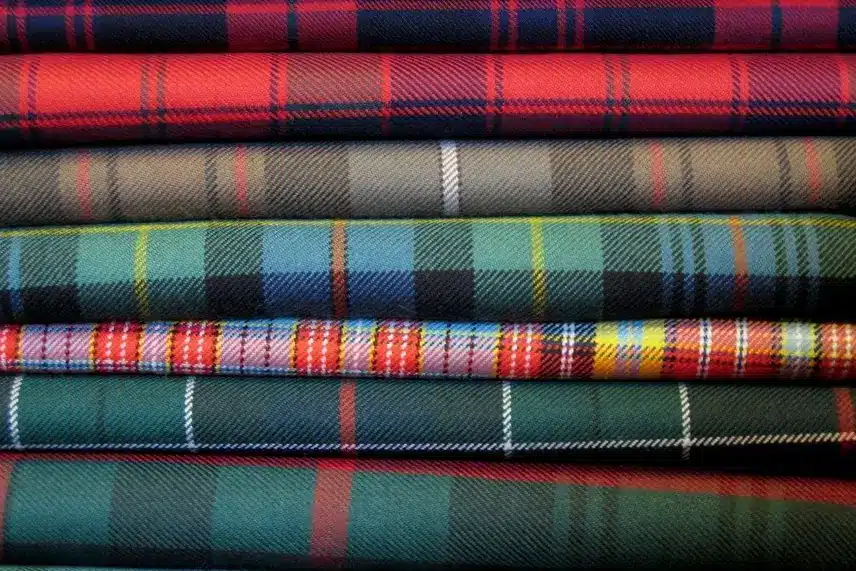
Flannel fabric is a soft, warm material featuring a brushed surface that creates a comfortable feel and enhanced insulation. Originally made from wool, flannel is now commonly produced with cotton, polyester, and blended fibers, making it a popular choice for shirts, pajamas, bedding, and blankets.
But what makes flannel different from other fabrics? How is it made, and what types of flannel are there? This guide will explore the characteristics, manufacturing process, types, and uses of flannel to help you better understand this fabric.
What Is Flannel Fabric?
Flannel is a type of fabric known for its soft texture and slightly raised surface. It is typically finished through processes such as brushing or fulling, which create a layer of short, fine fibers on the surface, enhancing the fabric’s softness and warmth. Unlike fabrics characterized by a specific fiber, flannel can be made from various fibers, including cotton, wool, polyester, and blended fibers.
Brief History and Development of Flannel
The origin of flannel is generally traced back to Wales. By the 16th century, wool fabrics similar to flannel were already being produced in the region.
The term “flanelle” began to be used in France in the 17th century, and the fabric gradually became used in clothing and textile applications in other European regions. With the development of textile technology, flannel was no longer limited to wool and expanded to include cotton, polyester, and blended fibers.
Today, flannel is widely used in apparel and home textiles, with different fiber compositions and finishing methods providing various performance characteristics.
How Is Flannel Fabric Made?
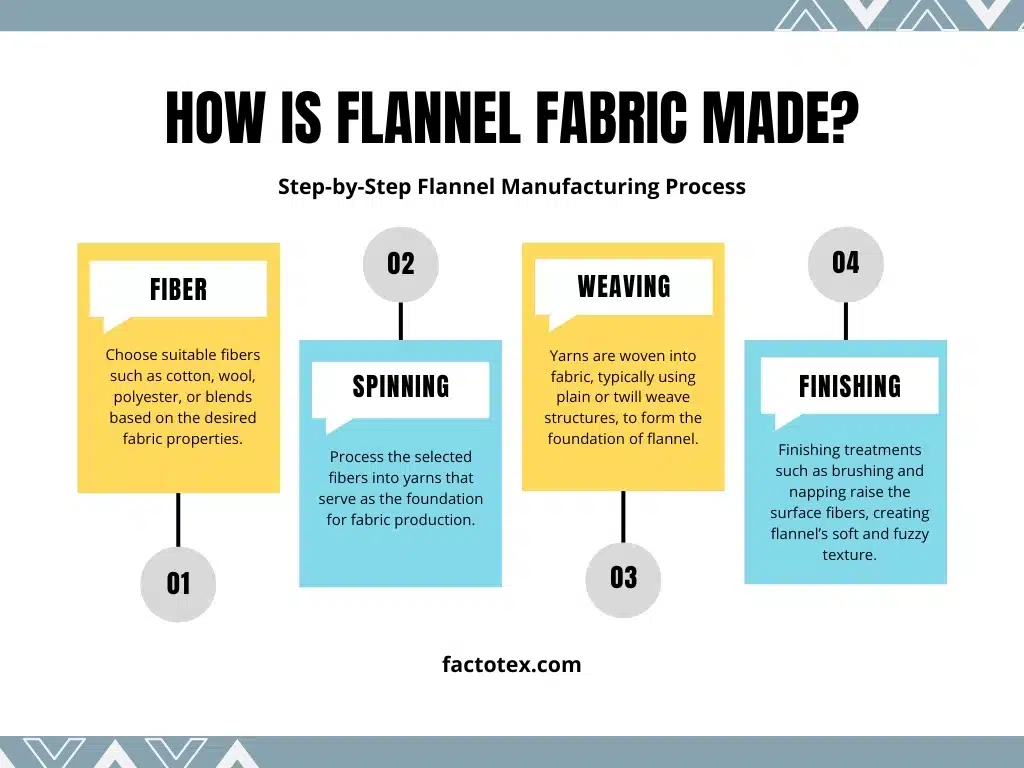
Fiber Selection
Flannel can be made from various materials, including cotton, wool, polyester, and blended fibers. The choice of fiber plays an important role in determining the fabric’s final characteristics, such as softness, warmth, durability, and overall feel.
Spinning Yarns
After the fibers are selected, they are processed and spun into yarn. During spinning, individual fibers are aligned and twisted together to create yarns with the required strength and consistency for fabric production. The quality of the yarn also influences the texture and appearance of the finished fabric.
Fabric Weaving
The spun yarns are woven together to form the basic structure of flannel. Flannel is typically produced using woven constructions, with common structures including plain weave and twill weave. At this stage, the fabric has its basic form but has not yet developed the soft, fuzzy surface that defines flannel.
Finishing Treatments
The woven fabric then undergoes finishing treatments to create the characteristic surface of flannel. Processes such as napping and brushing raise the surface fibers, forming a soft and slightly fuzzy texture. Additional finishing treatments may be applied to improve the fabric’s softness, stability, appearance, and overall performance.
Key Properties of Flannel Fabric
The properties of flannel are largely influenced by the materials and manufacturing methods used. The following table highlights the key properties of flannel fabric:
| Property | Description |
|---|---|
| Softness | Flannel features a soft surface with a smooth, comfortable hand feel. The raised fibers created during finishing contribute to its distinctive softness. |
| Warmth | The brushed surface helps trap air within the fibThe brushed surface creates a layer of fine fibers that helps retain heat, making flannel a popular choice for cold-weather apparel and bedding. |
| Breathability | Breathability depends on the fiber content and fabric structure. Cotton flannel, in particular, allows air circulation and provides better comfort during wear. |
| Durability | The durability of flannel varies depending on the raw materials and construction. Wool, polyester and blended flannels generally offer good strength and long-term performance. |
| Moisture Absorption | Flannel made from natural fibers such as cotton and wool can absorb moisture, helping maintain a more comfortable feel. |
Different Types of Flannel Fabric
Cotton Flannel
Cotton flannel is primarily made from cotton fibers and is known for its softness, breathability, and good moisture absorption. Due to the natural properties of cotton, this type of flannel offers a comfortable hand feel and is suitable for direct skin contact. Depending on the fabric weight, weave structure, and finishing methods, cotton flannel can have different levels of thickness, loft, and surface texture.
Wool Flannel
Wool flannel is one of the traditional forms of flannel and was originally made from wool fibers. Wool naturally provides elasticity, resilience, and good insulation properties, giving wool flannel a distinctive texture and feel. Its final performance can vary depending on factors such as wool quality, yarn structure, weave construction, fabric weight, and finishing processes, resulting in different levels of softness, structure, and performance.
Polyester Flannel
Polyester flannel is made from polyester fibers and is valued for its durability, dimensional stability, and easy-care properties. Compared with natural fiber flannels, polyester flannel generally offers better wrinkle resistance, wash durability, and shape retention, allowing it to maintain a more consistent appearance and performance over time.
Blended Flannel
Blended flannel combines different types of fibers to achieve a more balanced performance. Common blends include cotton/polyester, cotton/spandex, and polyester/spandex combinations. By adjusting the fiber composition and blend ratio, manufacturers can enhance specific characteristics such as softness, durability, stretch, and shape retention.
Common Uses of Flannel Fabric
Apparel
Flannel has a long association with apparel, particularly classic plaid shirts that are widely recognized as a casual wardrobe staple. Beyond shirts, flannel is also used in pajamas, trousers, jackets, and other garments. Its fabric structure and surface texture allow it to create different styles, from relaxed everyday clothing to more structured garments.
Accessories
Although apparel remains the most common application, flannel is also used in accessories such as scarves, hats, and bags. The distinctive surface texture of flannel gives these items a recognizable appearance, while its soft handle makes it suitable for accessories that are designed for regular use.
Home Textiles
Flannel is commonly used in home textiles, especially bedding items such as sheets, pillowcases, blankets, and throws. Its comfortable feel makes it a popular choice for products that are used frequently in daily life.
Flannel vs Other Fabrics: What Is the Difference?
Flannel vs Fleece
Flannel and fleece are both soft fabrics, but they differ in their construction and surface characteristics. Flannel is typically made from woven fabric with a brushed surface, while fleece is usually a knitted fabric made from synthetic fibers such as polyester. Flannel has a smoother and denser surface texture, while fleece has a loftier structure with a more plush feel. These structural differences affect their overall touch, appearance, and performance.
Flannel vs Cotton
Flannel and cotton are often compared, but they refer to different aspects of a textile. Cotton is a natural fiber, while flannel is a type of fabric that can be made from cotton, wool, polyester, or blended fibers. Cotton describes the raw material, whereas flannel describes the fabric structure and finishing characteristics. Cotton flannel combines cotton fibers with a brushed surface, while other cotton fabrics may have different textures and constructions depending on how they are processed.
Flannel vs Plaid
Flannel and plaid are often mentioned together, but they describe different features of a textile. Flannel refers to the type of fabric, while plaid refers to a pattern consisting of intersecting lines or checks. A plaid design can be applied to many different fabrics, and flannel can also be produced in solid colors or other patterns. Therefore, plaid is a visual pattern, while flannel describes the fabric itself.
How to Care for Flannel Fabric?
1. Wash Gently
Wash flannel fabric with a gentle cycle and mild detergent to help protect the fibers and maintain its surface texture. Avoid excessive agitation or harsh chemicals that may affect the fabric’s appearance and feel.
2. Use Low Temperature
Use cold or lukewarm water when washing flannel to reduce the risk of shrinkage and help maintain the fabric’s original structure.
3. Dry Carefully
Avoid high heat during drying, as excessive heat may cause shrinkage or changes in the fabric surface. Air drying or low-temperature drying is generally recommended.
4. Avoid Excessive Friction
Minimize strong rubbing and friction during washing and handling, as repeated abrasion may affect the softness and appearance of the brushed surface.
FAQs
Q1: Is 100% cotton the same as flannel?
A1: No. 100% cotton and flannel refer to different aspects of a fabric. Cotton describes the fiber content, while flannel describes the fabric type and surface characteristics. A flannel fabric can be made from 100% cotton, but not all 100% cotton fabrics are flannel.
Q2: Can flannel be 100% polyester?
A2: Yes. Flannel can be made from 100% polyester fibers. Polyester flannel is known for its durability, dimensional stability, and resistance to wrinkles and shrinkage. It is also easy to care for and can maintain its appearance after repeated use and washing.
Q3: Is flannel good for summer?
A3: It depends on the fiber type, fabric weight, and construction. Lightweight flannel made from breathable fibers can be more comfortable in warmer conditions, while heavier flannel is generally better suited for cooler temperatures.
Q4: What fabric is similar to flannel?
A4: Fleece is one of the fabrics often compared with flannel because both have a soft surface texture. However, they differ in construction and performance. Flannel is typically a woven fabric with a brushed surface, while fleece is usually a knitted fabric with a thicker, loftier structure.
Q5: Does flannel shrink after washing?
A5: Flannel can shrink depending on the fiber composition and washing conditions. Cotton flannel is more likely to shrink, especially when exposed to high heat, while polyester and blended flannels generally have better dimensional stability.
Working With Facto Textile

Why Choose Us
- Experienced professional team
- Comprehensive fabric categories
- Fully customization options
- Advanced printing and dyeing technology
- Fast sample and production lead time
- Strict quality inspection and certifications
- Flexible minimum order quantities
- Competitive prices and reliable shipping
Contact Us To Start Your Fabric Project
Please send us your message, we will reply within 20 hours.
Facto Tex
Product & Service
Contact Us
No.888 ZhuJiaWan Street, Gusu District, Suzhou City, Jiangsu Province, China
