What Is Cotton Jersey Fabric? Features, Uses & Buying Guide
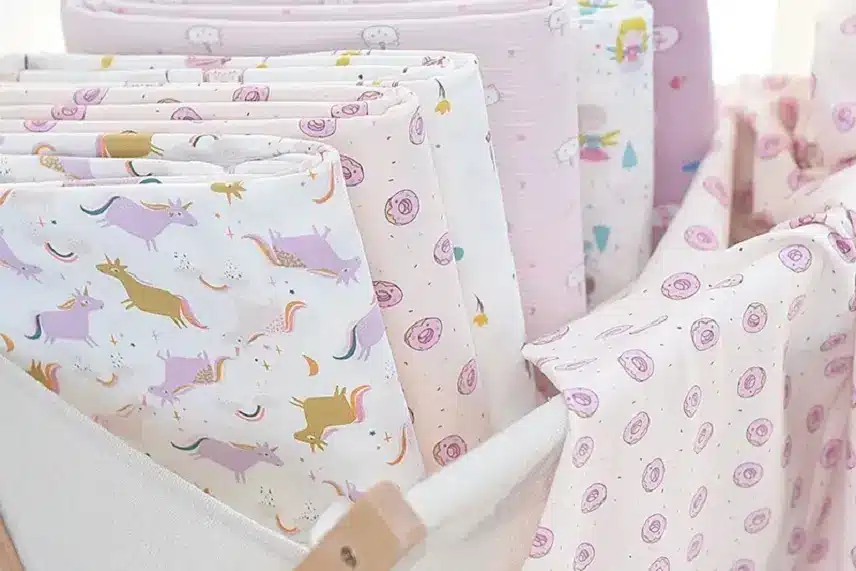
Cotton Jersey Fabric is one of the most widely used basic knitted fabrics in the apparel industry today. It is soft, breathable, and moderately elastic, so it is often used in T-shirts, dresses, home wear, baby clothing, and sport and casual clothing.
But what exactly is cotton knitted fabric? Why is it so popular? This article will start from the basic definition and systematically introduce the characteristics, manufacturing process, main types, practical applications, as well as comparisons with other fabrics, selection tips, and care methods of cotton Jersey fabric. This will help you choose the best Cotton Jersey Fabric for your project.
What is Cotton Jersey Fabric?
Cotton Jersey Fabric is a type of fabric made from cotton fibers and produced through the knitting process. The term “Jersey” originated from the Island of Jersey in the UK, initially referring specifically to the knitted fabrics produced there using wool as the raw material. With the development of textile technology, the raw materials have gradually expanded to cotton fibers, thus forming the widely used cotton knitted fabrics of today.
From the perspective of fabric structure, cotton jersey fabric is not formed by the perpendicular interweaving of warp and weft yarns, but rather by the continuous loops wound longitudinally to form a ring-like structure. This structure gives the fabric excellent two-way elasticity and good drape. This fabric can be 100% pure cotton, or it can be blended with a small amount of elastic fibers (such as spandex) according to functional requirements to further optimize the rebound performance and dimensional stability.
Key Characteristics of Cotton Jersey Fabric
- Softness: Cotton fibers have a fine texture and a smooth touch. The loose structure created by the knitting process significantly enhances the fabric’s elasticity and comfort against the skin.
- Breathability and Moisture Absorption: Cotton fibers have excellent moisture absorption and permeability, effectively absorbing and evaporating human sweat, and dynamically regulating the micro-environment on the skin surface.
- Elasticity: Relying on the unique coil structure of the knitted fabric, the fabric exhibits good extensibility in both the horizontal and vertical directions, ensuring the freedom of limb movement and without obvious constraining sensation.
- Weight Range: Depending on the differences in yarn count and weaving density, the finished weight typically ranges from 120 to 300 gsm. Among them, the low weight (120–180 gsm) is suitable for lightweight summer styles, while the high weight (220–300 gsm) is often used for winter clothing that need to balance both warmth and functionality.
Knit vs Woven: What is the Difference?
- Woven fabric: It is formed by the perpendicular interweaving of warp yarns and weft yarns, with a stable structure, firmness, and good wear resistance, but relatively poor elasticity. It is suitable for clothing that needs to maintain its shape (such as shirts and coats).
- Knitted fabric: It is formed by looping yarns together and then interconnecting them, with a loose structure and elasticity. It is soft and close-fitting, but is relatively more prone to deformation or fraying.
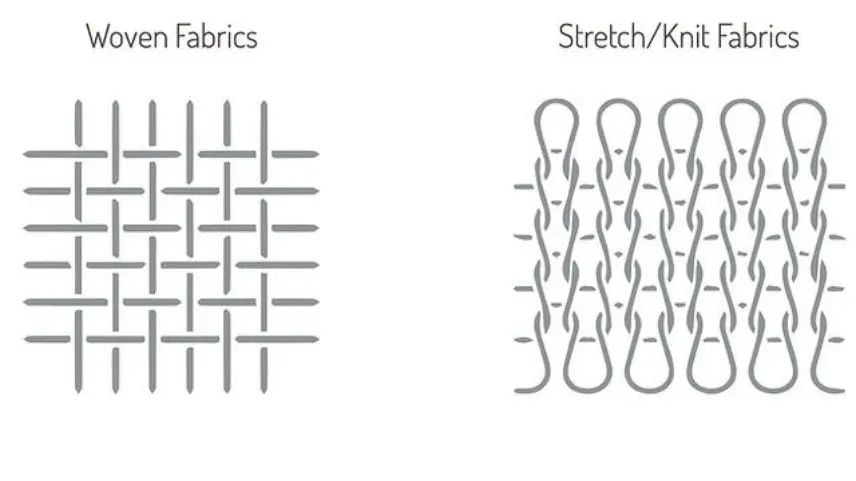
Cotton Jersey is a typical single or double-knit fabric. It has much greater elasticity and softness than ordinary woven cotton fabric, which is the main reason why it is widely used in close-fitting clothing.
How is Cotton Jersey Fabric Made?
Processing of cotton fibers: After the cotton is harvested, it undergoes a series of processes such as carding, cleaning and combing, ultimately resulting in uniform and consistent cotton fibers.
Spinning: Cotton fibers are processed into various types of cotton yarn through modern spinning techniques such as ring spinning, air-flow spinning, or compact spinning. The quality of the yarn directly affects the feel and durability of the final fabric.
Knitting formation: Cotton yarn is fed into a circular loom or a flat knitting machine through the yarn feeding system. Under the action of the knitting needles, a coil structure that is interlocked with each other is formed, thereby constructing tubular or flat-width knitted fabric. Among them, typical structures such as single jersey and interlock are determined by differences in needle bed configuration, looping sequence, and coil arrangement methods, etc.
Post-processing: Knitted fabric needs to undergo a series of processes such as pre-treatment (scouring, bleaching), dyeing (with reactive dyes or disperse dyes), functional finishing (such as softening treatment, shrink resistance treatment), and heat setting, in order to significantly enhance the color fastness (resistance to washing, friction, and light), comfort of touch, dimensional stability, and surface smoothness of the fabric.
Types of Cotton Jersey Fabric
100% Cotton Jersey Fabric
100% cotton jersey fabric is made entirely from natural cotton fibers. It has a soft hand feel and excellent moisture absorption, which makes it ideal for everyday wear such as T-shirts and casual garments. However, because it does not contain synthetic fibers, it has limited elasticity and may deform slightly over time, especially after repeated washing.
Cotton Spandex Jersey Fabric
Cotton spandex jersey fabric is made by blending cotton with a small amount of elastic fiber (usually 3-8%), which can significantly improve elasticity and resilience.
This type of fabric maintains the softness of cotton while offering enhanced flexibility and shape retention. It is commonly used for fitted clothing such as bodycon dresses, leggings, and stretch T-shirts.
Organic Cotton Jersey Knit Fabric
Organic cotton jersey is produced from cotton grown without synthetic pesticides or harmful chemicals. This makes it an environmentally friendly and sustainable option, increasingly popular among eco-conscious brands and consumers. In addition to being better for the environment, organic cotton jersey is also gentle on sensitive skin, making it particularly suitable for baby clothing and premium apparel lines.
Cotton Single Jersey Fabric
Cotton single jersey is the most common and widely used type of jersey fabric. It features a single-knit construction, with a smooth face side and a slightly textured back. One characteristic to note is that the edges tend to curl when cut, which can affect handling during manufacturing.
Cotton Interlock Fabric
Cotton interlock fabric is a double-knit variation of jersey, meaning it is constructed with two layers of interlocking loops. Compared to single jersey fabrics, this fabric is thicker, smoother, and more stable. Interlock fabric has less curling, better shape retention, and a more premium feel, making it suitable for high-end garments such as polo shirts, dresses, and babywear.
Common Uses of Cotton Jersey Fabric
Everyday Clothing
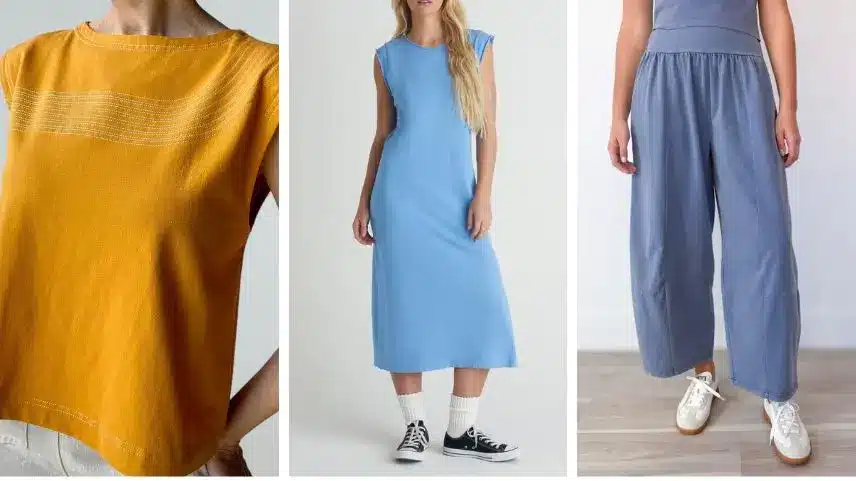
- T-shirts and tops: Most basic T-shirts, polo shirts, and casual tops are made of cotton Lycra knit fabric. The knitted structure gives the garment lateral elasticity, allowing it to fit the body without being tight, and its breathability helps regulate body temperature, making it suitable for all-day wear.
- Dresses and skirts: Mid-weight Jersey has a good drape and can form a natural and smooth shape, suitable for making A-line skirts, body-hugging skirts, or layered dresses.
- Casual Bottoms and Loungewear: Including shorts, casual pants, and homewear sets. Its moisture-wicking properties keep the wearer dry and comfortable indoors or outdoors. It is also frequently used as the lining for lightweight hoodies or as the main fabric for all-cotton loungewear.
Baby Clothing
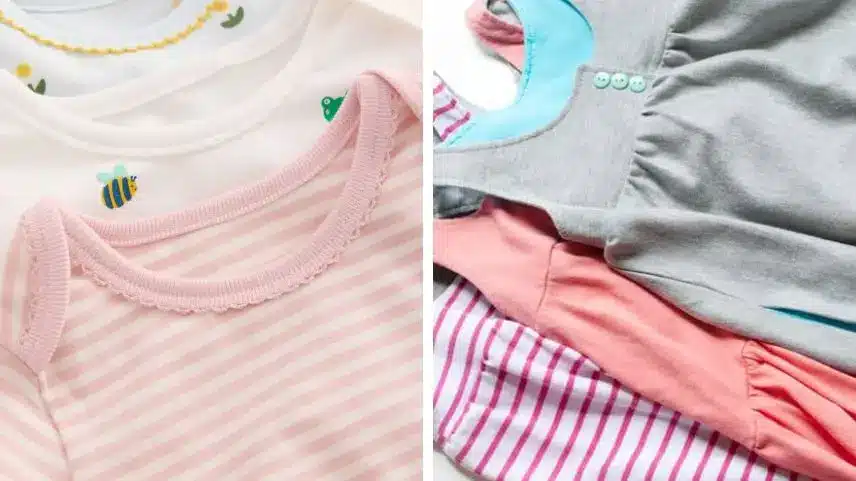
- Onesies and Rompers: The lightweight single jersey is soft and close to the skin, effectively absorbing the sweat secreted by the baby’s skin and quickly releasing it, thereby reducing the risk of skin problems such as eczema. The knitted structure has elasticity that adapts to the frequent limb movements of the baby and does not cause indentations.
- Sleepwear and underwear: Interlock double-sided jersey is often used in baby sleeping bags, one-piece pajamas, and close-fitting underwear. It maintains softness after repeated washing and offers good shape stability.
- Children’s daily wear: T-shirts, pants, dresses, and other children’s clothing also widely use cotton Jersey. This fabric is natural, skin-friendly, and easy to care for, making it an ideal choice for active children.
Athleisure Wear
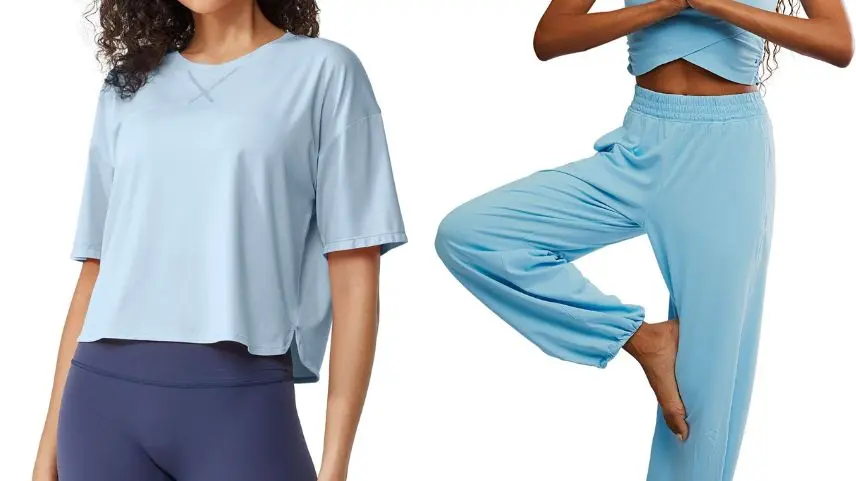
- Yoga and Fitness Tops: Cotton spandex jersey offers excellent four-way or two-way stretch while maintaining highly breathable. The fabric quickly absorbs and releases sweat during exercise, preventing feelings of dampness, coldness, or heat, making it suitable for yoga, Pilates, or daily fitness.
- Running pants and casual sportswear: Medium-weight cotton jersey is commonly used to make running pants, sweatshirts, and sports shorts. Its soft and drapey feel allows the clothing to maintain its natural shape after exercise, rather than becoming tight and distorted.
Cotton Jersey vs Other Fabrics
Understand the differences between cotton jersey fabric and other common fabrics. Each fabric has its own unique structure and performance characteristics, and its applications also vary.
Cotton Jersey vs Cotton
This comparison often causes confusion. It’s important to clarify that cotton jersey is a type of cotton fabric. The distinction lies in the manufacturing method:
Cotton refers to the natural fiber itself. Cotton fibers can be used to create various types of fabrics, both knit and woven.
Cotton Jersey specifically refers to a fabric made from cotton fibers using a jersey knit construction. This knitting method gives it distinct properties like stretch and drape that are not inherent to all cotton fabrics (e.g., woven cotton poplin is crisp and has no stretch). So, while all cotton jersey is cotton, not all cotton fabric is cotton jersey.
Cotton Jersey vs Polyester Jersey
Polyester jersey offers excellent durability, quick drying, color retention, and lower cost. However, it generally provides inferior breathability and skin feel compared to cotton, and may cause stuffiness or static over long periods. Cotton jersey fabrics have clear advantages in everyday comfort and environmental friendliness, while polyester fabrics suit high-intensity sports or frequent laundering.
Cotton Jersey vs Rib Knit
Rib Knit features prominent vertical ribs and exceptional elasticity, commonly used for cuffs, collars, and hems to provide snug fit. Cotton Jersey has a smoother surface and better drape, making it ideal for larger garment panels. The two are often combined: jersey as the main body and rib for edges.
How to Identify & Buy Premium Cotton Jersey Fabric?
- Hand Feel: Premium cotton jersey should feel soft, smooth, and supple to the touch, not rough or stiff.
- Stretch Test: Gently stretch a small section of the fabric. High-quality jersey will stretch easily and then return to its original shape without bagging or distortion.
- Opacity: Hold the fabric up to the light. Premium jersey, especially for garments, should not be overly sheer.
- Weight Reference: 120–180 gsm for lightweight T-shirts, 180–280 gsm for mid-weight dresses or loungewear.
- Evenness of Knit: Inspect the knit for consistency. Irregularities, snags, or uneven loops can indicate lower quality.
Buy Cotton Jersey Fabric by the Yard
For individual projects, small businesses, or hobbyists, buying cotton jersey fabric by the yard is common. When selecting suppliers, focus on those that provide detailed specifications, including weight, ingredients, and country of origin. Test the fabric by touch for softness and perform a gentle stretch test to evaluate recovery. Avoid materials that feel stiff or carry a strong chemical odor.
If you are looking for customized designs, Facto Textile can provide small-batch custom printed cotton jersey fabric, allowing you to create unique patterns tailored to your projects while maintaining the quality and comfort of premium cotton jersey.
Wholesale Cotton Jersey Fabric for Businesses
For businesses, clothing brands, or manufacturers requiring bulk quantities, consistency across batches is essential. Prioritize suppliers with stable production capacity, controlled shrinkage rates, and options for pre-shrunk fabrics to reduce production issues.
Facto Textile offers wholesale solid color cotton jersey fabric with low minimum order quantities and provides factory-direct prices for various weights and blended cotton jersey knit fabrics.
Care Instructions for Cotton Jersey
Proper care helps maintain the softness, shape, and longevity of cotton jersey. As a natural knit material, it requires gentle handling to minimize shrinkage and pilling.
- Washing: Machine wash in cold or lukewarm water (≤30°C) on a gentle cycle. Turn garments inside out and use a mild detergent. Avoid chlorine bleach and harsh chemicals.
- Drying: Air dry flat or on a padded hanger whenever possible. If using a dryer, choose low heat and remove items promptly to prevent shrinkage.
- Shrinkage Prevention: Pre-wash new fabric or garments in warm water and air dry before cutting or first wear. This allows controlled shrinkage in advance.
- Pilling Reduction: Wash with similar fabrics only, avoid overloading the machine, and do not rub vigorously. Use a fabric shaver for minor pilling when dry.
- Storage: Fold and store in drawers rather than hanging for long periods to prevent stretching at shoulders and hems.
Following these guidelines will keep your cotton jersey T-shirts, dresses, and baby clothes soft and well-shaped for longer.
Conclusion
Cotton jersey fabric, with its inherent softness, stretch, and breathability, remains a beloved and indispensable material in the textile world. By understanding its definition, characteristics, types, and selection criteria, you can make more informed choices. Whether you’re crafting a comfortable T-shirt, designing baby wear, or seeking the perfect material for athleisure, cotton jersey offers a blend of comfort, functionality, and natural appeal that few other fabrics can match. Its enduring popularity is a testament to its timeless qualities and adaptability to modern needs.
Working With Facto Textile

Why Choose Us
- Experienced professional team
- Comprehensive fabric categories
- Fully customization options
- Advanced printing and dyeing technology
- Fast sample and production lead time
- Strict quality inspection and certifications
- Flexible minimum order quantities
- Competitive prices and reliable shipping
Contact Us To Start Your Fabric Project
Please send us your message, we will reply within 20 hours.
Facto Tex
Product & Service
Contact Us
No.888 ZhuJiaWan Street, Gusu District, Suzhou City, Jiangsu Province, China
