What is Pique Fabric? The Ultimate Guide
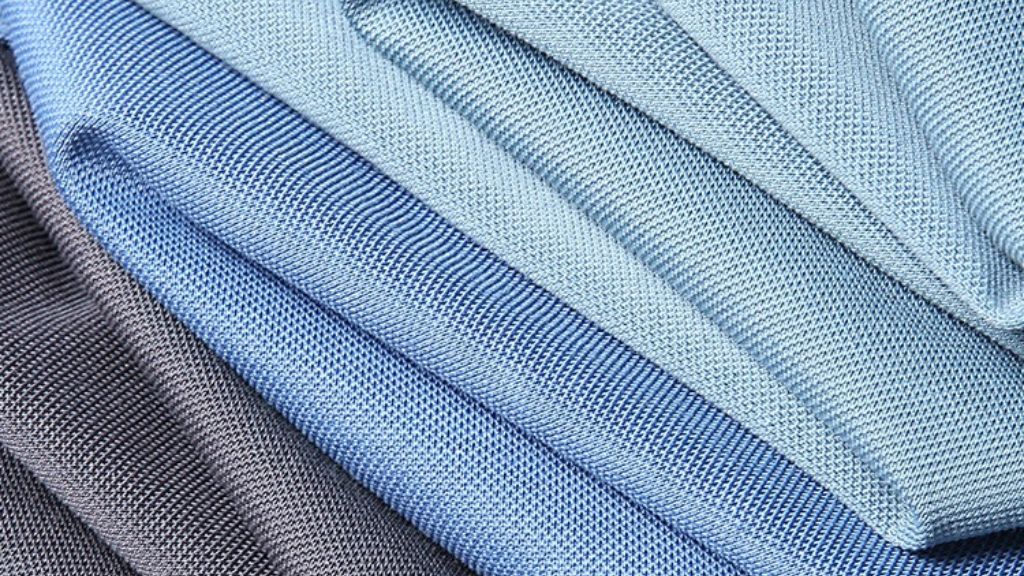
Have you ever noticed those tiny raised squares or honeycomb patterns on polo shirts? In fact, these are precisely the characteristics of pique fabric. But what exactly is pique fabric? How is it made? What makes it different from other fabrics? And why is it the preferred fabric for making polo shirts?
In this blog, we’ll explore all of that and more. Its origin and history, manufacturing process, different types, common uses… By the end, you’ll clearly understand the unique features of pique and why it has been so popular for centuries. If you’re interested, keep on reading!
What Is Pique Fabric? Its Origins and History
Pique (pronounced “pee-kay”) is characterized by its raised patterned surface, usually in geometric patterns like honeycombs or waffle grids. Unlike smooth jersey knits, pique has a more structured and tactile feel.
The term pique comes from the French word for “quilted” or “punctured,” reflecting the fabric’s textured appearance. Pique has a long history, originally developed in Europe for making durable menswear and uniforms. Over time, it became especially popular in casual and sportswear, most famously for polo shirts. Nowadays, pique fabric is widely used in a variety of apparel, from polo shirts and sportswear to corporate uniforms and casual wear.
What Is Pique Fabric Made of?
Pique fabric can be made from a variety of fibers, including cotton, polyester, or blends of both. Each type offers different benefits: cotton provides softness and breathability, polyester adds durability and color retention, and blends combine the advantages of both.
Pique fabric can be made from a variety of fibers, including cotton, polyester, or blends of both. Among these, cotton is the most commonly used material for pique fabric. Cotton pique is soft, breathable, and comfortable, keeping you cool throughout the day.
Of course, pique can also be made from other fibers, each offering its own advantages. We’ll go into more detail about these different types later in the guide.

Manufacturing Process
1. Yarn Selection and Preparation
The process begins with selecting and preparing the yarns. Cotton, polyester, or blended fibers are spun, cleaned, and wound to ensure consistent thickness and strength, which is essential for producing an even texture.
2. Knitting or Weaving Process
Pique fabric is constructed using either knitting or weaving techniques. Knitted pique fabrics are usually made on circular knitting machines, producing a raised texture that is soft and flexible. Woven pique fabrics are created on looms, where interlaced threads form a structured and stable surface.
3. Fabric Stabilization and Pre-Treatment
After knitting or weaving, the fabric undergoes relaxation, pre-shrinking, and heat-setting to improve dimensional stability. This ensures the fabric retains its shape during washing and everyday wear.
4. Dyeing and Finishing
Next, the fabric is dyed according to the desired color. Finishing treatments may be applied to enhance softness, moisture management, wrinkle resistance, or colorfastness. Throughout this process, the raised patterns remain intact, preserving the fabric’s unique texture.
5. Quality Inspection and Preparation
Finally, the fabric is carefully inspected for consistent texture, even weight, and color quality. Approved fabric is then rolled, cut, and prepared for shipment or garment production.
Pique Woven Fabric
Pique woven fabric is made on looms using interlacing techniques that create a stable, structured texture. It tends to be less stretchy than knitted pique and is commonly used for dress shirts or decorative textiles that require a crisp appearance and durability.
Pique Kint Fabric
Pique knit fabric is produced on circular knitting machines and features a soft, textured surface with slight elasticity. This version is the most popular choice for polo shirts and casual sportswear because it offers comfort, breathability, and freedom of movement.
Key Features of Pique Fabric
Textured Surface
The most notable feature of pique fabric is its raised, textured surface. This pattern, often in the form of cords, waffle, or honeycomb shapes, is built into the fabric’s structure rather than applied afterward. The texture not only adds a subtle visual interest but also enhances the fabric’s ability to maintain its shape and structure over time. This is why garments like polo shirts retain a crisp, polished appearance even after repeated wear and washing.
Breathability
The raised patterns of pique fabric create small air pockets within the textile, allowing for better airflow compared to flat fabrics. This natural ventilation helps regulate body temperature and makes pique fabrics ideal for warm weather or activewear. It also contributes to comfort by reducing the feeling of clinginess against the skin.
Durability
Due to its specialized knit or weave structure, pique fabric is inherently strong and resistant to wear. The interlocked fibers provide stability, which reduces stretching, tearing, or pilling over time. This durability makes it a reliable choice for uniforms, sportswear, and everyday clothing that undergoes frequent washing.
Shape Retention
Pique fabrics are excellent at maintaining their original shape. The structural texture prevents garments from sagging or losing form, even after multiple washes. This quality is particularly important for garments like polo shirts or corporate uniforms, where a neat, structured appearance is desired.
Versatility
Pique fabric can be adapted for different applications due to its combination of texture, flexibility, and comfort. It works well for casual wear, sportswear, and professional apparel. Moreover, the fabric can accommodate a variety of fiber blends and finishes, which allows designers and manufacturers to create products that balance comfort, durability, and appearance.
Comfortable Hand Feel
Despite its textured surface, pique fabric remains soft and comfortable against the skin. The raised patterns provide subtle cushioning, while breathable fibers ensure the fabric feels light and pleasant to wear. This balance of texture and softness is one of the reasons pique remains a popular choice for everyday and athletic clothing.
What Are the Types of Pique Fabric?
100% Cotton Pique Fabric
100% cotton pique is soft, breathable, and comfortable against the skin. It is the classic choice for polo shirts and casual wear. The natural fibers allow excellent moisture absorption and airflow, making it ideal for warm climates and activewear. Cotton pique also dyes well, allowing for vibrant, long-lasting colors.
Polyester Pique Fabric
Polyester pique is known for its durability and resistance to wrinkles and shrinking. It maintains its shape well and is colorfast, making it suitable for uniforms, corporate apparel, and garments that undergo frequent washing. Polyester pique is slightly less breathable than cotton but offers better longevity and lower maintenance.
TC Polyester Cotton Pique Fabric
This blended fabric combines the comfort of cotton with the durability of polyester. Polyester cotton pique offers the best of both worlds: soft, breathable fibers complemented by enhanced strength and wrinkle resistance. It is commonly used for school uniforms, corporate wear, and casual sportswear.
Micro Pique Fabric
Micro pique features a finer texture with smaller, more subtle raised patterns. It is lightweight and breathable, making it particularly suitable for summer clothing and lightweight polo shirts. Despite its delicate appearance, it retains the durability and structure characteristic of pique fabrics.
Bird’s Eye Pique Fabric
Bird’s eye pique is named for its small, diamond-like pattern resembling a bird’s eye. It is commonly used in classic polo shirts and sportswear. The subtle texture provides a polished, refined look while maintaining breathability and comfort.
Double Pique Fabric
Double pique is a thicker, more pronounced version of standard pique, offering extra structure and durability. This type is ideal for garments that require a more formal or tailored appearance, such as premium polo shirts or structured casual wear.
Stretch Pique Fabric
Stretch pique incorporates elastic fibers, such as spandex, to add flexibility and comfort. It is particularly suited for activewear and garments that require freedom of movement. Stretch pique combines the textured aesthetic of traditional pique with enhanced mobility, making it practical and stylish.
What Is Pique Fabric Used For?
Polo Shirts
The most iconic use of pique fabric is in polo shirts. Its structured yet breathable texture helps maintain a neat appearance while allowing airflow, making it comfortable for daily wear or sports. Cotton and cotton-blend pique are particularly popular for polo shirts because they combine softness, flexibility, and moisture absorption.
Sportswear & Activewear
Pique fabrics, especially lightweight and stretch versions, are ideal for sports and activewear. The raised texture allows better air circulation, while stretch pique provides flexibility and freedom of movement. This combination keeps athletes comfortable during physical activities without compromising on durability.
Uniforms & Corporate Apparel
The durability and polished appearance of pique cloth make it a popular choice for both corporate and school uniforms. Its structured surface helps garments maintain a professional look even after repeated washing. Blended pique fabrics are often preferred for uniforms, offering both comfort and easy care without compromising longevity.
Casual Wear
Micro pique and lighter-weight pique fabrics are excellent for casual summer clothing. The breathable texture keeps the wearer cool, while the subtle raised patterns add visual interest without being overly formal. This makes it a preferred choice for casual tops, dresses, and lightweight outerwear.
Specialty Applications
Beyond apparel, pique materials can also be used in accessories, such as hats, lightweight bags, or even home textiles where a textured, durable fabric is desired. Its versatility allows designers to experiment with both function and style, making it a flexible choice for many creative projects.
What Are the Differences Between Pique and Other Fabrics?
Pique vs Interlock
Interlock fabric is a type of double-knit fabric with a smooth surface on both sides. Compared to pique, interlock is softer and more uniform, but it lacks the textured surface that gives pique its structured look. While interlock is comfortable and suitable for T-shirts and casual wear, it does not provide the same visual appeal or durability for garments that require a more polished appearance, such as polo shirts or uniforms.
Pique vs Jersey
Jersey fabric is a single-knit fabric with a flat, smooth surface. It is lightweight, stretchy, and breathable, making it ideal for casual wear and activewear. Pique, on the other hand, has a raised textured surface that offers additional structure and durability. While both fabrics are breathable and comfortable, pique maintains its shape better over time, especially in structured garments like polos.
Pique vs Oxford
Oxford fabric is a woven fabric known for its crisp texture and classic look, often used in dress shirts. Unlike pique, Oxford has a uniform, flat weave and does not feature raised textures. While both pique and Oxford provide a structured appearance, pique is generally more breathable and slightly stretchable, making it suitable for casual and sportswear, whereas Oxford is more formal and less elastic.
| Feature | Pique Fabric | Interlock Fabric | Jersey Fabric | Oxford Fabric |
| Structure | Textured knit or weave | Double knit | Single knit | Woven |
| Surface | Raised texture | Smooth | Flat | Flat, crisp |
| Breathability | High | Medium | High | Medium |
| Durability | High | Medium | Medium | High |
| Shape Retention | Excellent | Good | Moderate | Good |
| Common Uses | Polo shirts, uniforms, sportswear | T-shirts, casual wear | T-shirts, casual wear | Dress shirts, formal wear |
Pros and Cons of Pique Fabric
Pros of Pique
1. Durable and Long-Lasting
The raised texture and sturdy structure give pique fabric excellent strength and durability. Garments made from pique maintain their shape and resist wear, making them ideal for items that undergo frequent washing or daily use, such as polo shirts and uniforms.
2. Breathable and Comfortable
The textured surface creates tiny air pockets that enhance airflow, allowing the skin to breathe. This makes pique fabric comfortable for warm weather or activewear, helping to regulate temperature and reduce sweat buildup.
3. Maintains Shape and Structure
Unlike single knit fabrics, pique retains its structure over time. This prevents sagging or stretching, ensuring that garments look neat and polished even after repeated use.
4. Visually Appealing Texture
The subtle geometric patterns add a sophisticated, structured appearance. This textured look makes pique garments suitable for both casual and professional settings, giving them a stylish edge.
5. Versatile in Use
Pique fabric works well in a wide range of applications, from casual polo shirts to corporate uniforms and sportswear. It also adapts well to different fiber blends and finishes, offering options for softness, stretch, or enhanced performance.
Cons of Pique
1. Slightly Thicker
Compared to jersey fabrics, pique is thicker due to its textured construction. It might feel a bit heavy when wearing pique clothing in very hot weather.
2. Can Be More Expensive
The specialized knitting or weaving required to create the textured surface can make pique fabric more expensive than standard cotton or jersey fabrics, especially for premium or custom options.
3. Requires Proper Care
Although durable, pique fabric requires careful washing and care to maintain its texture and shape. Improper care, such as high-heat drying, can cause shrinkage or distort the raised patterns.
4. Limited Stretch (for non-stretch versions)
Standard pique fabrics without added elastic fibers may have limited stretch, which can restrict movement in some activewear applications. Stretch pique fabrics are available to address this limitation.
How to Care for Pique Fabric?
Washing
Machine wash pique garments in cold or lukewarm water with a mild detergent. Avoid bleach or harsh chemicals, which can weaken fibers and damage the raised texture. Gentle washing helps maintain the fabric’s structure and color.
Drying
Air-drying is the best option for pique fabric, as high heat from a dryer can shrink or distort the textured surface. If you must use a dryer, choose a low-heat or delicate setting to minimize the risk.
Ironing
Pique fabric generally resists wrinkles due to its textured construction, but if needed, iron on the reverse side using a medium heat setting. This preserves the raised pattern while smoothing out minor creases.
Storage
Fold or hang pique garments neatly to avoid unnecessary creasing. Keep them out of prolonged direct sunlight, which can fade colors and weaken fibers over time.
Special Tips
For blended pique fabrics (cotton-polyester), follow the care instructions for the fiber that requires the most delicate handling. Avoid overloading the washing machine to reduce friction, which can cause pilling. Turn garments inside out when washing to protect the surface texture.
Where to Buy Pique Fabric?
Pique fabric can be sourced through various channels depending on your needs, such as local fabric wholesalers, textile manufacturers, or online fabric stores.
For buyers seeking consistent quality and professional service, Factotex offers a wide selection of pique fabrics suitable for apparel, uniforms, and other textile applications. With strict quality control, customizable options, and reliable supply, we ensure every roll meets high standards for durability, texture, and color consistency. Whether you need standard cotton pique, polyester blends, or specialized fabrics, we can support orders of different sizes and help streamline your sourcing process.
Final Thoughts
Now that you’ve learned all about pique fabric. Understanding the different types of pique, how it’s made, and how to care for it helps you choose the right fabric for your projects and ensures your garments perform well over time. If you have any questions, please feel free to contact us.
FAQ
Q1: Is pique fabric good for summer?
A1: Absolutely. Lightweight pique fabrics, especially cotton or cotton blends, are breathable and comfortable, making them perfect for hot weather.
Q2: Is pique 100% cotton?
A2: Pique can be made from 100% cotton, polyester, or a blend of fibers. Cotton pique is soft and breathable, while polyester or blended versions add durability and wrinkle resistance.
Q3: Does pique fabric shrink after washing?
A3: Some shrinkage can occur, particularly with 100% cotton pique. Pre-treated fabrics or blends reduce this risk. Following proper care instructions helps keep the fabric size stable.
Q4: Does pique fabric wrinkle easily?
A4: Not really. The textured surface naturally resists wrinkles. Light ironing on the reverse side is usually enough if needed.
Q5: Is pique better than cotton?
A5: Pique can be made from cotton, but the raised texture gives it more structure and durability than plain cotton fabrics. Cotton pique is breathable and soft, while blended or polyester pique adds extra strength and color retention.
Q6: Is pique woven or knitted?
A6: Pique fabric can be either knitted or woven. Knitted pique is slightly stretchable and soft, perfect for polo shirts. Woven pique is more structured and stable, suitable for dress shirts or formal garments.
Working With Facto Textile

Why Choose Us
- Experienced professional team
- Comprehensive fabric categories
- Fully customization options
- Advanced printing and dyeing technology
- Fast sample and production lead time
- Strict quality inspection and certifications
- Flexible minimum order quantities
- Competitive prices and reliable shipping
Contact Us To Start Your Fabric Project
Please send us your message, we will reply within 20 hours.
Facto Tex
Product & Service
Contact Us
No.888 ZhuJiaWan Street, Gusu District, Suzhou City, Jiangsu Province, China
