Tencel vs Cotton: Which Fabric Is Better?
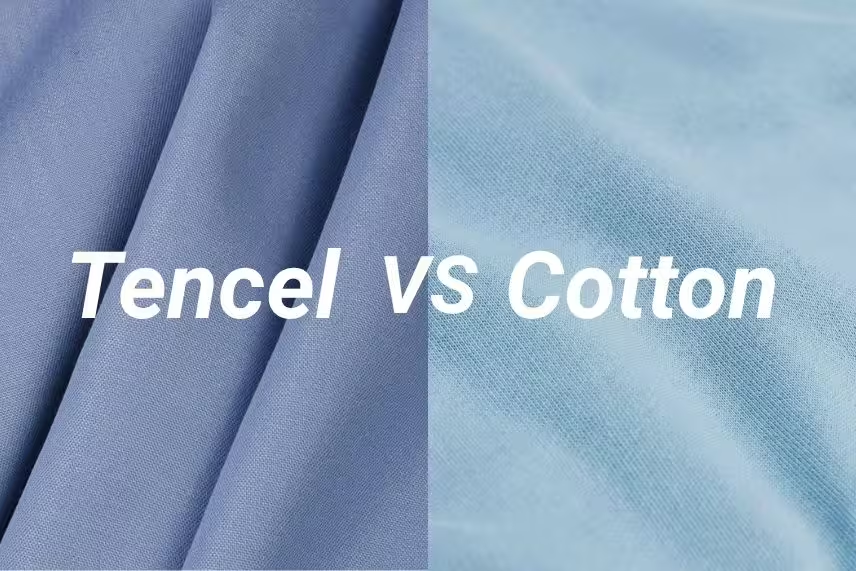
If you’ve spent any time shopping for bedding, activewear, or sustainable clothing in recent years, you’ve almost certainly come across Tencel. Known for its silky feel, breathability, and eco-friendly production process, Tencel has quickly become a popular alternative to traditional textiles. However, cotton has been the gold standard of natural fibers for thousands of years. So, which fabric is actually better?
Both materials have their own advantages and disadvantages. Here’s a thorough breakdown to help you make a more informed decision.
What Is Tencel?
Tencel is a branded name for lyocell fiber, developed and trademarked by the Austrian company Lenzing AG. It’s made from cellulose extracted from wood pulp, most commonly eucalyptus, beech, or birch trees. It belongs to the lyocell and modal fiber family and is known for its silky softness, breathability, and moisture-wicking properties.
Unlike many textiles, Tencel is produced using a closed-loop manufacturing process that recycles up to 99% of the water and solvents. Tencel first appeared commercially in the 1990s, but it’s surged in popularity over the last decade as sustainability has moved from niche concern to mainstream priority.
What Is Cotton?
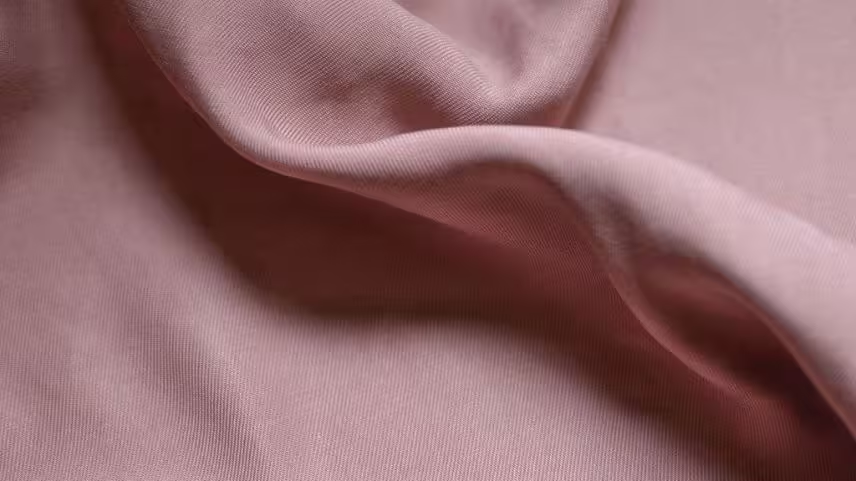
Cotton is a natural fiber that comes from the fluffy fibers surrounding the seeds of the cotton plant. It has been used for over 7,000 years and remains one of the most widely used textiles in the world. Today, it accounts for roughly 25% of global fiber consumption.
With increasing public concern about environmental issues, organic cotton, grown without synthetic pesticides or fertilizers, has also gained significant market share.
Tencel vs Cotton: Key Differences
Softness and Feel
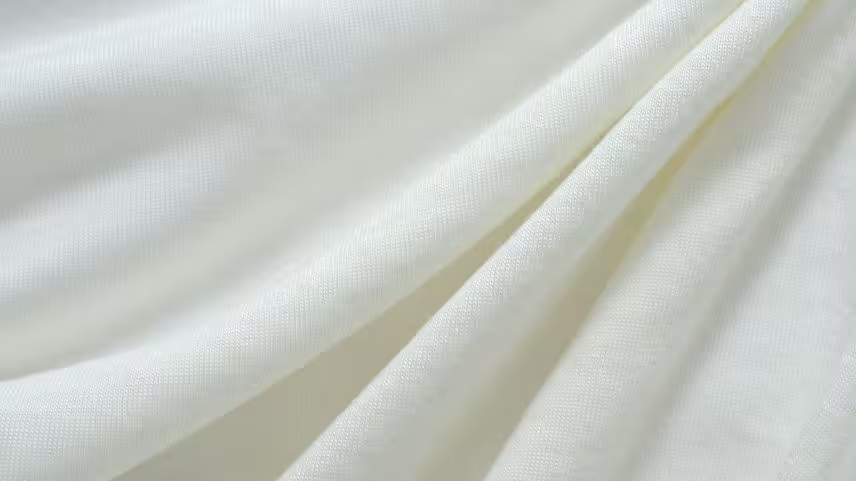
Tencel fibers are finer and more uniform than most cotton fibers, thus exhibiting a consistently smooth, slightly glossy surface.
Cotton, by comparison, can vary greatly depending on quality. Lower-grade cotton may feel rougher or more textured, while long-staple varieties such as Egyptian or Pima cotton can genuinely comparable to Tencel in smoothness.
If you prefer fabric that feels smooth, cool, and soft from the start, then Tencel fabric is usually a better choice, especially for bedding and sleepwear. If you appreciate fabrics that soften naturally over time, then high-quality cotton remains a timeless choice.
Breathability and Moisture-Wicking
Tencel is especially well known for its moisture-wicking properties. The fibers help draw moisture away from the skin and release it quickly, which can help the fabric feel cooler and drier in warm or humid conditions. Because of this, Tencel is often preferred for bedding, sleepwear, and clothing designed for hot sleepers or summer use.
Cotton is also naturally breathable and comfortable for everyday wear. Its fibers allow air to circulate well, helping prevent excessive heat buildup. However, cotton tends to absorb moisture rather than wick it away, so it may feel damp after sweating or in humid environments.
The weave and weight of the fabric also make a difference. Lightweight cotton can feel airy and cool, while thicker cotton fabrics may retain more warmth. Tencel generally maintains a lighter, cooler feel against the skin regardless of use. If cooling performance and moisture management are your top priorities, Tencel usually performs better.
Durability and Longevity
Cotton’s durability is one of its most underappreciated qualities. It tolerates high wash temperatures, frequent laundering, and years of regular use without meaningful degradation in quality. This is why cotton has remained the default for workwear, children’s clothing, and home textiles. for so long.
Tencel typically holds its shape well and resists pilling better than many fabrics. However, Tencel can be more sensitive to high heat and rough washing conditions. Proper care, such as gentle washing and lower drying temperatures, helps preserve its smooth texture and appearance.
For everyday basics, children’s clothing, and frequently washed bed sheets, cotton is a more practical and economical long-term choice. Tencel is still durable, but it performs best when cared for more gently.
Environmental Impact
Tencel and cotton are both plant-based fibers, but their environmental impact differs significantly in terms of water usage, farming practices, and manufacturing processes.
Tencel is widely considered one of the more sustainable modern textiles. It is produced through a closed-loop system that recycles the majority of the water and solvents used in manufacturing.
Cotton is natural, biodegradable, and renewable, but conventional cotton farming can be resource-intensive. Large-scale cotton production often requires significant amounts of water, pesticides, and agricultural land. The environmental impact can vary greatly depending on how the cotton is grown and processed.
Organic cotton offers a more sustainable alternative. It is produced without synthetic pesticides and typically follows more environmentally responsible farming practices, although it may still require substantial water usage depending on the region and climate.
Tencel has a stronger environmental case overall. If sustainability is a core purchasing criterion, Tencel is the more defensible choice. Of course, organic cotton from a transparent supply chain is also a good option.
Care and Maintenance
Cotton is straightforward to launder. It tolerates warm water, regular detergents, machine drying, and high-heat ironing without issue. Tencel requires a more deliberate approach: cool water, gentle wash cycles, low-heat or air drying, and mild detergent. It wrinkles readily and can shrink if exposed to high heat. Cotton is simply easier to live with on a daily basis. If you value ease of care, then cotton is a better choice than Tencel.
Cost
Tencel carries a price premium relative to regular cotton, which reflects the more complex manufacturing process and its still-growing market scale. Commodity cotton remains one of the most affordable textile options globally, and even premium long-staple cotton varieties are generally competitively priced against Tencel at a comparable quality level.
Cotton offers better value across most price points. Tencel’s premium is justified by its performance in specific areas, but it’s worth being honest about whether those benefits apply to what you’re actually buying it for.
Tencel vs Cotton: Different Uses
Bedding
Tencel is very popular for sheets, pillowcases, and duvet covers because of its cooling feel and moisture-wicking properties. For those seeking a cool and comfortable sleep experience, Tencel sheets can significantly improve sleep comfort. The smooth fiber surface is also less likely to irritate sensitive skin.
Cotton remains one of the most widely used bedding fabrics, as it is breathable, durable, and easy to care for. Crisp percale and soft sateen cotton bedding continue to be popular choices for everyday comfort. Long-staple cotton at a higher thread count competes closely with Tencel on feel, but requires more scrutiny at the point of purchase to ensure you’re getting a truly quality product.
Summer Clothing
For lightweight summer clothing, both Tencel and cotton fabrics are good choices. Tencel tends to feel cooler and lighter because it wicks moisture away from the skin more efficiently. Its soft drape also makes it popular for dresses, loose shirts, and lightweight summer outfits.
Cotton is naturally breathable and comfortable for casual everyday wear, though it may retain moisture longer in very hot or humid conditions. Lightweight cotton fabrics, such as voile or lawn mitigate this somewhat, but Tencel still has a functional edge in high-humidity environments.
Underwear
Comfort and breathability are especially important when choosing underwear fabrics. Tencel’s smooth fibers and moisture-wicking performance help keep the fabric feeling dry and soft throughout the day. Many people also find it gentler on sensitive skin. However, it is less practical for underwear that typically needs to be washed multiple times.
Cotton underwear remains a classic choice because it is breathable, natural, and durable. It absorbs moisture well, though it may not dry as quickly as Tencel.
Sleepwear
Tencel is commonly used in pajamas and sleepwear because of its cooling effect and silky-soft texture. The fabric feels lightweight, breathable, and cool against the skin, which many people prefer in warm climates or if they tend to sleep hot.
Cotton sleepwear is breathable, comfortable, and widely available in a variety of fabric weights and styles. High-quality cotton pajamas can feel exceptionally soft and cozy, especially after repeated washing.
For people who experience night sweats or prefer cooler sleepwear, Tencel often has an advantage because it manages moisture more efficiently. For everyday comfort and easy care, cotton remains a timeless and dependable choice.
Tencell vs Cotton: What Would Be Best for Me?
Choosing between Tencel and cotton ultimately comes down to your personal preferences, lifestyle, and how you plan to use the fabric. Both materials are comfortable, breathable, and versatile, but they offer different experiences in everyday use.
Tencel is often the better choice for people who prioritize softness, cooling comfort, and moisture management. Its smooth texture and lightweight feel make it especially popular for bedding, sleepwear, activewear, and warm-weather clothing. If you sweat easily, prefer fabrics with a silky feel, or are looking for a more eco-conscious textile, Tencel may suit you better.
Cotton works well for everyday clothing, home textiles, and products that need to withstand frequent washing and long-term use. High-quality cotton can also become softer and more comfortable over time.
| Feature | Tencel | Cotton |
|---|---|---|
| Feel | Smooth & silky | Soft & natural |
| Breathability | Excellent | Excellent |
| Cooling | Cooler & moisture-wicking | Breathable but absorbent |
| Durability | Moderate | Very durable |
| Sustainability | More eco-friendly | Depends on cotton type |
| Care | Needs gentler washing | Easy to maintain |
| Skin sensitivity | Excellent | Good with quality cotton |
| Price | Premium pricing | More affordable |
FAQ
Q1: Is Tencel better than cotton for sensitive skin?
A1: Generally, yes. Tencel’s finer fiber structure reduces friction and irritation, making it a better choice for sensitive skin. However, organic and long-staple cotton are also soft, breathable, and gentle enough for most people with sensitive skin.
Q2: Is Tencel more sustainable than cotton?
A2: On balance, yes. encel is often viewed as the more eco-friendly option due to its closed-loop production process and lower water usage. Certified organic cotton narrows the gap, but Tencel holds the better overall case for most consumers.
Q3: Which Fabric Is Better for Hot Weather: Tencel or Cotton?
A3: Tencel often performs better in hot and humid conditions because it feels lighter and manages moisture more effectively. Lightweight cotton is also comfortable and breathable for summer wear.
Q4: Is cotton or Tencel better for bedding?
A4: Tencel is popular for cooling, moisture-wicking bedding, while cotton is valued for its durability, breathability, and classic comfort. The better choice depends on your sleeping preferences.
Q5: Does Tencel shrink in the wash?
A5: It can. Tencel is not resistant to high temperatures. Washing with cold water and drying at low temperatures can prevent shrinkage. Cotton is significantly more forgiving of standard machine washing.
Working With Facto Textile

Why Choose Us
- Experienced professional team
- Comprehensive fabric categories
- Fully customization options
- Advanced printing and dyeing technology
- Fast sample and production lead time
- Strict quality inspection and certifications
- Flexible minimum order quantities
- Competitive prices and reliable shipping
Contact Us To Start Your Fabric Project
Please send us your message, we will reply within 20 hours.
Facto Tex
Product & Service
Contact Us
No.888 ZhuJiaWan Street, Gusu District, Suzhou City, Jiangsu Province, China
