Top 10 Poplin Fabric Manufacturers & Suppliers Worldwide
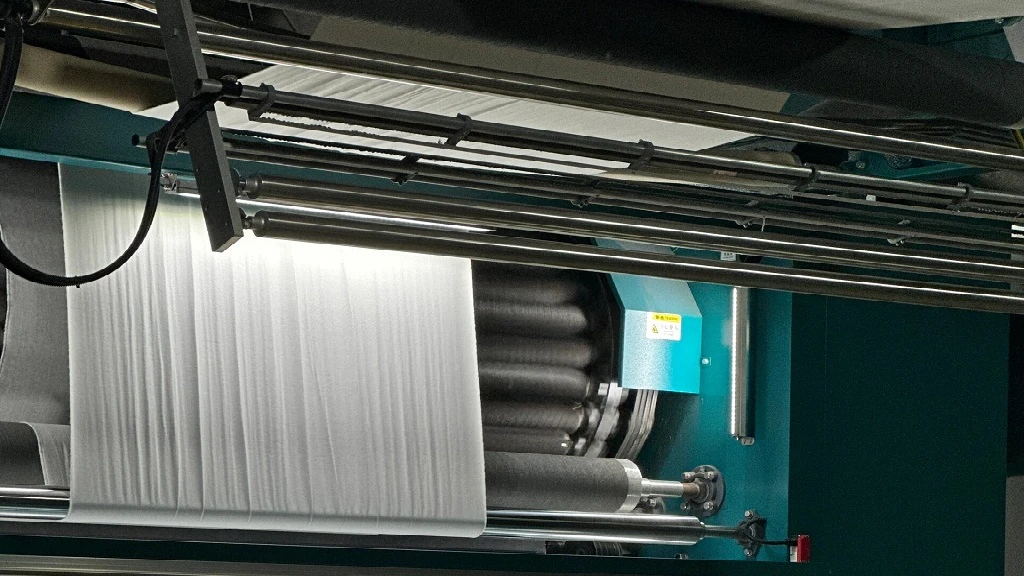
Poplin fabric is a widely used plain weave textile known for its smooth surface, durability, and versatility. It is often used to make shirts, dresses, uniforms, etc. Selecting a reliable poplin fabric manufacturer is essential for ensuring consistent production standards and stable delivery.
This guide presents the top 10 poplin fabric manufacturers and suppliers, evaluated based on production capacity, quality control systems, certifications, export experience, and customization capability to help you find reliable poplin wholesale partners.
What Is Poplin Fabric?
Poplin fabric is a plain weave textile characterized by fine warp yarns and slightly thicker weft yarns, creating a smooth surface with subtle horizontal ribs. Depending on the intended use, poplin is typically made from 100% cotton, polyester, cotton-polyester blend (TC), or elastic fibers.
Due to its balanced structure, poplin offers a combination of lightweight comfort and durability, making it suitable for shirts, dresses, uniforms, medical wear, and workwear. Compared to twill fabrics, poplin has a flatter appearance and a cleaner finish, which makes it ideal for formal and semi-formal garments.
Top 10 Poplin Fabric Manufacturers & Suppliers
1. Suzhou Facto Textile Co., Ltd (China)
Suzhou Facto Textile Co., Ltd is an integrated textile manufacturer specializing in woven poplin fabrics for global apparel brands and garment factories. With in-house weaving and dyeing facilities, the company maintains controlled production processes and consistent fabric quality throughout each stage of manufacturing.
The company supplies a wide range of poplin constructions, including 100% cotton poplin, TC poplin, stretch poplin, and cotton rayon poplin. Beyond standard solid colors, it offers flexible custom printing services, including reactive and pigment printing on various poplin bases.
With competitive wholesale pricing, low MOQ, and stable lead times, Facto Textile supports buyers seeking small-batch production and design-driven fabric development. The company is positioned as a flexible poplin fabric manufacturer for brands requiring adaptable sourcing solutions.
2. Arvind Limited (India)
Arvind Limited is one of India’s most established textile manufacturers with extensive experience in cotton-based woven fabrics. The company operates vertically integrated facilities covering spinning, weaving, dyeing, and finishing, enabling consistent quality control throughout the production process.
Arvind supplies cotton poplin fabrics used for shirting, uniforms, and casual apparel. Its strong domestic presence combined with global export operations allows it to serve major apparel brands across North America, Europe, and Asia.
With large-scale production capacity and long-standing industry partnerships, Arvind remains a recognized supplier in the global woven fabric market.
3. Weiqiao Textile Company Limited (China)
As one of China’s largest cotton textile groups, Weiqiao Textile operates extensive spinning and weaving capacity that supports large-scale poplin fabric output. Cotton poplin produced within this system is primarily directed toward mass-market apparel and uniform programs, where consistency and cost efficiency are critical.
High-volume manufacturing defines the company’s poplin positioning. Rather than focusing on development-driven customization, operations emphasize standardized constructions designed for bulk export and domestic distribution.
4. Nishat Mills Limited (Pakistan)
Within Pakistan’s export-oriented textile sector, Nishat Mills integrates spinning, weaving, dyeing, and garment production under one coordinated system. Poplin fabric manufacturing forms part of this vertically aligned structure, supporting international shirt and uniform programs.
Because production stages are consolidated, poplin orders can be synchronized with garment timelines and export compliance requirements. This makes the company particularly suitable for buyers seeking integrated sourcing rather than standalone fabric development. Serving buyers in Europe and North America, Nishat emphasizes quality control systems and compliance with global sourcing standards.
5. Söktas Tekstil (Turkey)
Premium shirting is the core focus of Söktas Tekstil, and poplin fabric represents a key component of that category. Fine yarn selection, controlled weaving density, and finishing precision contribute to smooth, high-grade cotton poplin used in tailored apparel collections.
Located strategically between Europe and Asia, Söktas benefits from efficient logistics access to European markets. Its focus on finishing precision, fabric consistency, and refined weaving techniques reinforces its reputation in the premium woven cotton category.
6. Raymond Limited (India)
Raymond Limited is a diversified textile group known for woven fabric manufacturing across multiple categories. In addition to suiting fabrics, the company produces cotton-based woven fabrics, including poplin fabrics used in garment production.
With integrated facilities and established distribution networks, Raymond serves both domestic and export markets. Its long-standing presence in the textile sector contributes to its recognition within global sourcing channels.
7. Mount Vernon Mills (United States)
For North American buyers prioritizing domestic sourcing, Mount Vernon Mills remains a notable poplin fabric manufacturer. Poplin fabric supplied by the company is commonly used in uniforms, workwear, and regional apparel programs.
U.S.-based production reduces cross-border logistics complexity and supports localized supply strategies. Its long operational history reinforces its position within the U.S. textile manufacturing landscape.
8. Albini Group (Italy)
Albini Group is an Italian textile manufacturer recognized for high-quality cotton shirting fabrics. The company’s exquisite poplin fabrics are positioned in the high-end and luxury clothing market.
Combining traditional Italian textile craftsmanship with modern production technology, Albini serves international fashion brands requiring elevated fabric standards. The company maintains a strong presence in the European woven fabric segment.
9. Vicunha Têxtil (Brazil)
Although internationally recognized for denim manufacturing, Vicunha Têxtil also operates woven fabric production that includes cotton poplin. Within Latin America’s textile landscape, this capability supports regional apparel supply chains.
Poplin manufacturing here is generally embedded in large-scale production systems designed for bulk distribution. Buyers seeking diversified sourcing within the Americas may integrate Vicunha into broader supply strategies.
10. Saitex (Vietnam)
Saitex operates textile and garment manufacturing facilities in Vietnam, including woven fabric production such as poplin fabric used in export apparel programs.
Integration between fabric production and garment assembly allows coordinated planning of poplin supply within vertically aligned manufacturing models. This structure supports brands diversifying sourcing into Southeast Asia.
Poplin Fabric Supplier Comparison Table
| Company | Country | Poplin Specialization | Customization Flexibility | Typical Order Structure | Suitable Buyers |
|---|---|---|---|---|---|
| Suzhou Facto Textile Co., Ltd. | China | Cotton poplin, TC poplin, stretch poplin, cotton rayon poplin | High | Small to medium batch | Brands needing low MOQ and custom printing |
| Arvind Limited | India | Cotton poplin for shirting & uniforms | Medium | Structured bulk programs | Structured apparel programs |
| Weiqiao Textile Company Limited | China | Standard cotton & blended poplin | Low | High-volume standardized | Bulk sourcing & wholesalers |
| Nishat Mills Limited | Pakistan | Export-grade cotton poplin | Medium | Fabric + garment aligned | International shirt & uniform buyers |
| Söktas Tekstil | Turkey | Fine shirting poplin | Medium | Development within premium programs | Premium fashion brands |
| Raymond Limited | India | Cotton-based woven poplin | Medium | Structured manufacturing programs | Buyers seeking established textile groups |
| Mount Vernon Mills | USA | Uniform & workwear poplin | Low to Medium | Domestic program-based | North American sourcing strategies |
| Albini Group | Italy | Luxury-grade cotton poplin | Medium | High-value development cycles | Designer and luxury labels |
| Vicunha Têxtil | Brazil | Woven cotton poplin | Low | Large-scale production | Latin American buyers |
| Saitex | Vietnam | Apparel-linked poplin production | Medium | Fabric integrated with garment production | Brands sourcing in Southeast Asia |
This poplin fabric supplier comparison highlights differences in production scale, customization flexibility, and market positioning among leading global manufacturers.
How to Choose the Right Poplin Fabric Supplier?
Selecting the right poplin fabric supplier requires careful evaluation of production capabilities, fabric characteristics, customization options, and supply chain reliability. Different buyers have distinct priorities, so focusing solely on price or location is rarely sufficient.
Fabric Composition and Application
The fiber composition of poplin directly influences garment performance. Common options include 100% cotton, TC blends, cotton-rayon, or polyester blends. Lightweight cotton poplin (around 100–130 GSM) is ideal for summer shirts and dresses, while heavier fabrics (140–160 GSM) suit structured uniforms or workwear. The choice of fibers also affects print quality, dyeing outcomes, and overall handfeel. Buyers should communicate clearly with suppliers regarding composition, GSM, weave density, and finish requirements to ensure the fabric aligns with intended end uses.
Production Capacity and Flexibility
Understanding a supplier’s production scale and operational flexibility is critical. Volume-driven or integration-focused manufacturers are best suited for large, repetitive orders, ensuring consistency and timely delivery. Brands seeking small-batch production, custom prints, or a wider color range benefit from suppliers that offer flexible, low-MOQ options. Evaluating lead times and production processes helps avoid delays and ensures suppliers can accommodate seasonal or rapid-turnaround projects.
Certifications and Sustainability
Eco-certifications are increasingly significant in global sourcing. OEKO-TEX, GOTS, and similar certifications are often required by international brands. Suppliers with certified sustainable practices not only meet compliance requirements but also enhance a brand’s environmental credibility. Assessing a supplier’s commitment to responsible sourcing and traceable production is essential in today’s market.
Sample Evaluation and Quality Assurance
Requesting fabric samples before committing to bulk orders is a vital step. Samples allow buyers to verify color consistency, texture, print accuracy, and overall quality. They also provide insight into a supplier’s ability to handle small-batch development or custom designs, helping reduce risks associated with large-scale orders.
Pricing, Lead Time, and Reliability
Finally, buyers should consider the balance between cost, delivery time, and supplier dependability. Large-volume suppliers may offer lower per-unit costs but less flexibility for custom designs, whereas development-oriented suppliers provide small-batch solutions with higher adaptability. Assessing historical performance, communication responsiveness, and delivery track record ensures the chosen poplin fabric supplier can reliably support your sourcing needs.
Global Poplin Fabric Market Trends In 2026
According to The Business Research Company’s 2025/2026 global fabrics report, the global fabrics market is projected to grow from around USD 142 billion in 2025 to over USD 151 billion in 2026, reflecting a moderate growth trend. This expansion is fueled by increased apparel production worldwide and improvements in textile manufacturing technology. Poplin, as a widely used cotton weave, naturally benefits from this growth.
Buy Poplin Fabric Wholesale
Looking to source high-quality poplin fabric at wholesale prices? Facto textile is your reliable poplin fabric manufacturer, offering premium poplin with consistent quality and competitive pricing. Whether you need solid color or custom printed poplin, we can meet your needs. Contact us today to request wholesale pricing, explore our fabric collection, and request samples.
Frequently Asked Questions
Q1: What is poplin fabric commonly used for?
A1: Poplin fabric is widely used for shirts, uniforms, dresses, lightweight pants, and summer garments.
Q2: Is cotton poplin better than polyester poplin?
A2: Cotton poplin offers superior breathability and comfort, while polyester or blended poplin may provide improved durability and wrinkle resistance.
Q3: What GSM is ideal for shirts?
A3: Typically 100–130 GSM for lightweight shirts, 140–160 GSM for structured or uniform poplin.
Q4: What is the difference between poplin and broadcloth?
A4: Poplin has a slightly heavier weight and tighter weave than broadcloth, giving it more durability and a crisp finish.
Working With Facto Textile

Why Choose Us
- Experienced professional team
- Comprehensive fabric categories
- Fully customization options
- Advanced printing and dyeing technology
- Fast sample and production lead time
- Strict quality inspection and certifications
- Flexible minimum order quantities
- Competitive prices and reliable shipping
Contact Us To Start Your Fabric Project
Please send us your message, we will reply within 20 hours.
Facto Tex
Product & Service
Contact Us
No.888 ZhuJiaWan Street, Gusu District, Suzhou City, Jiangsu Province, China
