Top 5 Polyester Blend Fabrics for Activewear in 2026
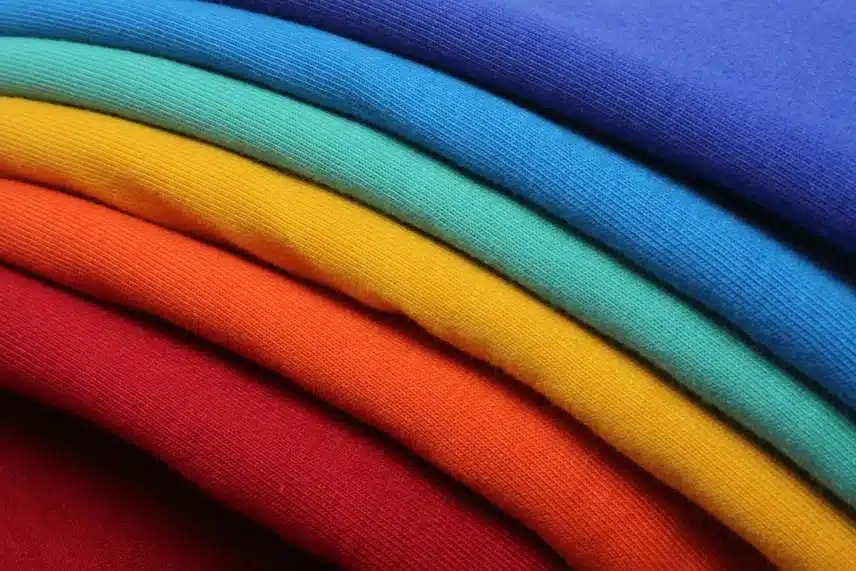
With various fiber combinations available, choosing the right polyester blend fabric for activewear can be challenging. Different blends offer different advantages in stretch, comfort, durability, and performance.
In this guide, we will compare the top 5 polyester blend fabrics used in activewear and explain their key characteristics, applications, and how to select the right option for your activewear needs.
Why Are Polyester Blends Popular for Activewear?
The global activewear market has been growing rapidly as fitness, wellness, and athleisure trends continue to influence consumer lifestyles. According to IMARC Group, the global activewear market reached USD 434.7 billion in 2025 and is projected to grow to USD 675.5 billion by 2034, with a CAGR of 5.02% during 2026–2034.
Activewear requires materials that can support movement, manage moisture, maintain shape, and withstand frequent use. Commonly used fabrics for activewear and sportswear include polyester, nylon, spandex, and cotton. Among these materials, polyester is one of the most widely used base fibers in activewear production. It is often blended with other fibers to improve elasticity, softness, breathability, or warmth. Due to their reliable performance and cost advantages, polyester blend fabrics have become a popular choice in activewear manufacturing.
Top 5 Polyester Blend Fabrics for Activewear
1. Polyester Spandex Fabric / Polyester Elastane Fabric
Polyester spandex fabric, also known as polyester elastane fabric, is one of the most popular polyester blends used in activewear. Spandex and Elastane are two different names for the same elastic fiber. “Spandex” is commonly used in the US market, while “Elastane” is more widely used in Europe.
>>> Related reading: What Is Polyester Elastane Fabric? Properties, Uses & Care Guide
Common Fabric Composition
The ratio of polyester and spandex can be adjusted to achieve different levels of stretch, comfort, and performance. Common compositions include:
Fabric Composition Key Characteristics Typical Applications 97% Polyester / 3% Spandex Provides slight stretch while maintaining excellent durability, shape retention, and comfort. Basic activewear, sports tops, lightweight training apparel 96% Polyester / 4% Spandex Offers improved flexibility and comfort while maintaining polyester’s quick-drying and durable properties. Training wear, casual activewear, performance T-shirts 95% Polyester / 5% Spandex Provides a balanced combination of stretch, comfort, and durability, making it one of the most widely used blends. Leggings, yoga wear, gym wear 93% Polyester / 7% Spandex Delivers enhanced elasticity and better recovery for garments requiring greater freedom of movement. Yoga apparel, fitted sportswear, training clothing 88% Polyester / 12% Spandex Provides higher stretch, recovery, and body-contouring performance for close-fitting activewear. Compression wear, leggings, performance apparel
Key Performance Features
Excellent Stretch and Recovery: The addition of spandex/elastane provides excellent elasticity and recovery, allowing the fabric to stretch with body movements while maintaining its original shape after repeated use. This makes polyester spandex fabric suitable for activewear that requires flexibility and a close fit.
Quick-Drying and Moisture Management: The polyester component offers low moisture absorption and quick-drying performance, helping move sweat away from the skin and improving comfort during exercise.
Durability and Shape Retention: Polyester enhances the fabric’s abrasion resistance and dimensional stability, allowing garments to maintain their appearance and performance after frequent washing and wearing.
Comfortable Fit and Versatility: The combination of polyester and elastane creates a smooth, flexible fabric with good body conformity, providing comfort for a wide range of activewear designs.
Why Is Polyester Spandex Fabric Popular for Activewear?
Polyester spandex fabric is widely used in activewear because it provides a balanced combination of stretch, durability, comfort, and cost efficiency. By adjusting the elastane percentage, manufacturers can develop fabrics for different performance levels and price ranges, making it a versatile choice for various sportswear products.
2. Polyester Cotton Fabric
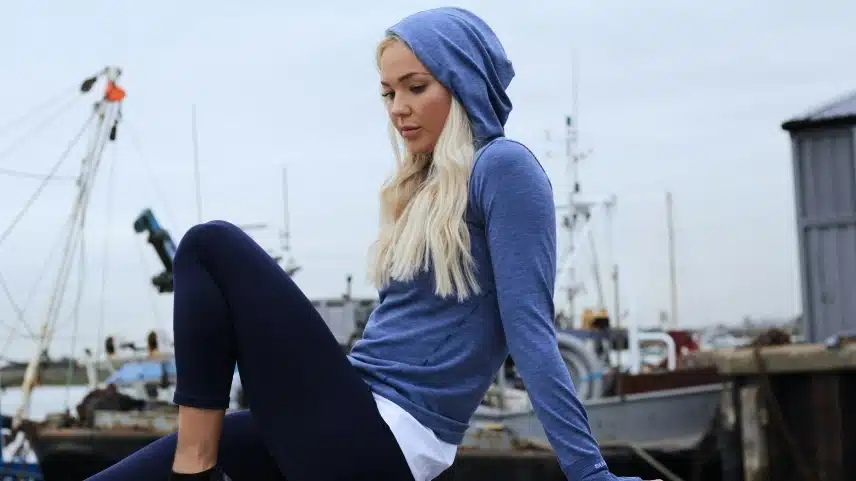
Polyester Cotton fabric is a classic polyester blend that combines the durability and quick-drying properties of polyester with the softness and comfort of cotton. Compared with 100% cotton fabrics, polyester cotton blends offer better shape retention, wrinkle resistance, and easier care, making them a practical choice for casual activewear, lifestyle sportswear, and everyday apparel.
Common Fabric Composition
Common polyester cotton blends used in sportswear include:
| Fabric Composition | Characteristics |
|---|---|
| 65% Polyester / 35% Cotton | A classic polyester cotton blend offering a balance of durability, comfort, wrinkle resistance, and cost efficiency. |
| 60% Polyester / 40% Cotton | Provides a softer feel with improved comfort while maintaining polyester’s strength and easy-care benefits. |
| 50% Polyester / 50% Cotton | Delivers a more cotton-like touch while retaining the durability and stability of polyester. |
The higher cotton content generally improves softness and breathability, while higher polyester content enhances durability, drying speed, and shape retention
3. Polyester Viscose Fabric
Polyester Viscose fabric is a popular choice for athleisure and lifestyle sportswear, where comfort and appearance play an important role in purchasing decisions. By combining polyester with viscose, this blend offers a softer hand feel, smoother surface, and better drape than traditional polyester fabrics, while maintaining the durability and easy-care properties needed for everyday apparel.
The main advantage of polyester viscose is its ability to create a more premium wearing experience. Viscose contributes softness, breathability, and a fluid drape, giving garments a more fashionable appearance. Meanwhile, polyester improves strength, shape retention, and durability, helping the fabric maintain performance during regular use.
This balance makes polyester viscose especially suitable for the growing athleisure market, where consumers expect activewear to be comfortable enough for daily wear while still having a stylish look.
Common Polyester Viscose Blends
| Fabric Composition | Characteristics |
|---|---|
| 65% Polyester / 35% Viscose | A balanced blend with good durability, softness, and cost control, commonly used for everyday apparel. |
| 70% Polyester / 30% Viscose | Provides higher polyester performance while maintaining a comfortable hand feel. |
Where Polyester Viscose Fits in Activewear?
Polyester viscose is mainly used for activewear and athleisure products that emphasize comfort, style, and everyday versatility rather than high-intensity performance. It is commonly found in soft training tops, casual sportswear, and lifestyle apparel where a smooth hand feel and better drape are important. As the boundary between activewear and everyday fashion continues to blur, polyester viscose provides brands with a fabric option that combines practical durability with a more refined appearance.
4. Polyester Wool Fabric
Polyester Wool fabric combines the natural warmth and moisture management properties of wool with the durability, strength, and easy-care advantages of polyester. Unlike many lightweight activewear blends designed for indoor training, polyester wool is mainly valued for outdoor and cold-weather applications where insulation, comfort, and performance in changing conditions are important.
The addition of wool helps improve thermal regulation, allowing the fabric to provide warmth in cooler environments while maintaining a comfortable feel against the skin. Wool also offers natural odor resistance and moisture management properties, making it suitable for garments used during outdoor activities.
Polyester enhances the fabric’s durability, abrasion resistance, drying speed, and shape retention. It also helps reduce the cost and maintenance requirements compared with 100% wool fabrics.
5. Polyester Nylon Fabric
Polyester Nylon fabric combines two high-performance synthetic fibers that are widely used in sportswear. Polyester nylon blends are usually made with a higher proportion of polyester to maintain quick-drying performance, durability, and shape retention, while nylon is added to improve strength, abrasion resistance, and softness. In activewear and sportswear, common blend ratios typically range from 70–85% Polyester / 15–30% Nylon, depending on the desired balance of performance, comfort, and durability.
A higher nylon content generally provides better abrasion resistance and a smoother hand feel, making the fabric more suitable for performance-oriented sportswear. Meanwhile, a higher polyester content helps maintain easier care, faster drying, and better cost control.
Comparison of Top 5 Polyester Blends for Activewear
| Fabric Type | Main Advantage | Stretch | Comfort | Durability | Cost Level | Typical Uses |
|---|---|---|---|---|---|---|
| Polyester Spandex | Excellent elasticity and shape recovery | High | High | High | Medium | Leggings, yoga wear, compression wear, performance activewear |
| Polyester Cotton | Soft comfort and cost-effective performance | Low | High | Medium | Low | Casual activewear, T-shirts, athleisure apparel |
| Polyester Viscose | Soft hand feel and better drape | Low | High | Medium | Medium | Athleisure, lifestyle sportswear, casual apparel |
| Polyester Wool | Warmth and thermal comfort | Low | High | High | High | Outdoor activewear, hiking apparel, cold-weather clothing |
| Polyester Nylon | Strength and abrasion resistance | Medium | Medium-High | Very High | Medium-High | Performance sportswear, outdoor apparel, technical clothing |
The performance of each polyester blend varies depending on the fiber ratio, fabric construction, and finishing process. This comparison provides a general reference for selecting fabrics based on different activewear requirements.
FAQ
Q1: What is the best fabric blend for activewear?
A1: There is no single best fabric blend for all activewear products. The ideal choice depends on the garment’s purpose, such as stretch requirements, moisture management, durability, comfort, and target price range. Polyester spandex is commonly used for high-stretch activewear, while other polyester blends may be preferred for casual, outdoor, or lifestyle applications.
Q2: Is polyester good for making sportswear?
A2: Yes. Polyester is one of the most widely used fibers in sportswear because it offers durability, quick-drying performance, shape retention, and easy care. It is often blended with other fibers to improve specific properties such as stretch, softness, or warmth.
Q3: Are polyester blend fabrics more expensive than 100% polyester?
A3: The cost depends on the blended fiber and ratio. Adding fibers such as spandex, wool, or nylon may increase fabric costs, while polyester cotton blends can provide a more affordable balance between comfort and performance.
Q4: Do polyester blend fabrics shrink after washing?
A4: Most polyester blends have good dimensional stability and are less likely to shrink compared with natural fiber fabrics. However, shrinkage performance depends on the fiber composition, fabric construction, and finishing process.
Working With Facto Textile

Why Choose Us
- Experienced professional team
- Comprehensive fabric categories
- Fully customization options
- Advanced printing and dyeing technology
- Fast sample and production lead time
- Strict quality inspection and certifications
- Flexible minimum order quantities
- Competitive prices and reliable shipping
Contact Us To Start Your Fabric Project
Please send us your message, we will reply within 20 hours.
Facto Tex
Product & Service
Contact Us
No.888 ZhuJiaWan Street, Gusu District, Suzhou City, Jiangsu Province, China
