Top 10 Bamboo Fabric Manufacturers Worldwide 2026
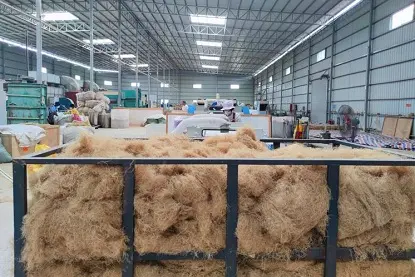
Bamboo fabric, as one of the fastest-growing sustainable textiles, is widely used in baby clothing, bedding, and underwear due to its exceptional softness, breathability, and eco-friendly properties.
Below, we’ve carefully compiled a list of the top 10 bamboo fabric manufacturers & suppliers worldwide, along with essential sourcing insights to help your brand stay ahead in the market.
What is Bamboo Fabric?
Before exploring the top bamboo fabric manufacturers and suppliers, let’s first understand what bamboo fabric is.
Bamboo fabric is a regenerated textile made from bamboo pulp, where the cellulose is extracted and processed into fibers through chemical or closed-loop methods, then spun into yarn and woven or knitted into fabric. It is favored for its softness, breathability, and sustainability, and is commonly produced using viscose or lyocell technologies with different environmental and performance characteristics.
Due to its natural and eco-friendly properties, bamboo cloth is widely used in a variety of products, including baby clothing, bed sheets, socks, towels, underwear, and so on.
Market Trends in Bamboo Fabric Industry (2026)
The global bamboo fabric market continues to grow steadily, driven by increasing demand for sustainable textiles. According to the report “Bamboo Textile Market Size, Share & Industry Analysis”, the market is expected to exceed $150 billion by 2026, supported by a compound annual growth rate of over 7%.
Data from the FAO bamboo statistics shows that bamboo is widely distributed across Asia, Africa, and Latin America, with global bamboo resources covering approximately 35 million hectares, and trade in bamboo products reaching billions of dollars annually.
Reports and datasets from the International Bamboo and Rattan Organization (INBAR) indicate that over 70% of the world’s bamboo resources are located in Asia, particularly in countries such as China and India, where integrated bamboo value chains have been developed. At the same time, bamboo textiles are among the fastest-growing segments, with projected growth rates exceeding 8% CAGR, driven by rising demand in apparel and sustainable fashion markets.
Top 10 Bamboo Fabric Manufacturers & Suppliers
1. Hebei Jigao Chemical Fibre Co., Ltd. (China)
We consider Hebei Jigao Chemical Fibre Co., Ltd. a highly capable supplier for buyers requiring large-scale bamboo fiber procurement. Their vertically integrated manufacturing setup enables them to maintain consistent output across high-volume orders, which is particularly valuable for industrial textile buyers and long-term supply contracts.
The company mainly produces bamboo viscose fibers and related yarns, which are widely used in downstream textile applications. Its strong production capacity ensures the stability of fiber quality in each batch, thereby reducing fluctuations in the downstream fabric processing. Furthermore, its pricing structure is typically competitive in large-scale production, making it an ideal choice for manufacturers with large order volumes.
2. Kinderel Organic Fabrics (Canada)
Kinderel Organic Fabrics stands out as a supplier that caters to buyers seeking certified organic and environmentally responsible bamboo textiles. Their positioning is more niche compared to large-scale industrial producers, but this focus allows them to maintain strong control over material quality and sustainability standards.
The company primarily provides bamboo fabrics and bamboo blended fabrics suitable for apparel and lifestyle products. What differentiates them is their emphasis on certification and traceability, which is crucial for brands targeting environmentally conscious consumers.
3. Suzhou Facto Textile Co., Ltd. (China)
Suzhou Facto Textile Co., Ltd. is a flexible fabric manufacturer specializing in high-quality bamboo lyocell, bamboo spandex, and bamboo muslin fabrics. While traditional mills often exclude smaller businesses with prohibitive volume requirements, Facto Textile has redefined the sourcing landscape by offering an incredibly accessible infrastructure.
One of the notable operational characteristics is its relatively low entry threshold for orders. Solid color bamboo fabrics can typically be produced starting from 1 roll, while custom printed options may be available from 1 meter depending on requirements.
Facto Textile is a strategic partner for buyers who require a balance of customization flexibility, manageable order quantities, and consistent fabric output. Its production setup seamlessly supports both early-stage product development and the ongoing supply needs of brands expanding their collections over time.
4. Lenzing AG (Austria)
Lenzing AG is widely recognized as a global leader in sustainable fiber innovation, particularly in high-performance and environmentally responsible textile solutions. Their production systems are built around closed-loop processes, which significantly reduce chemical waste and environmental impact.
Although not a conventional bamboo fabric mill in the traditional sense, their fiber technologies and branded materials are often used in sustainable textile applications that align with bamboo-based alternatives. Their strength lies in advanced engineering, environmental compliance, and strong global brand recognition.
We find Lenzing particularly suitable for premium and sustainability-focused brands that prioritize environmental credentials and long-term brand positioning over cost sensitivity. Their pricing reflects their premium status, but this is justified by their technological leadership and strict quality standards.
5. ProECO (USA)
ProECO positions itself as a supplier of eco-friendly textiles tailored for brands operating in the sustainable fashion space. Their bamboo fabric offerings are typically aligned with environmentally conscious production practices and certifications.
Their product range includes bamboo fabrics suitable for apparel and lifestyle applications, often blended with other fibers to achieve desired performance characteristics. From a sourcing perspective, they are well-suited for buyers who prioritize compliance with environmental standards and domestic or nearshore supply chains.
We observe that ProECO is a practical option for brands targeting the North American market, particularly those looking to align their products with sustainability narratives. Their pricing tends to fall in the mid-to-high range, reflecting both material quality and compliance requirements.
6. Shanghai Tenbro Bamboo Textile Co.,Ltd. (China)
Shanghai Tenbro Bamboo Textile Co., Ltd. is known for its integrated production capabilities across the bamboo textile value chain, including fiber processing, yarn spinning, and fabric manufacturing. This vertical integration allows them to maintain tighter control over quality and consistency.
Their product portfolio includes a variety of bamboo fabrics such as jersey, interlock, and blended textiles, which are commonly used in apparel manufacturing. Their pricing remains competitive relative to global standards, especially for buyers placing medium to large volume orders.
7. Alok Industries (India)
Alok Industries is a global powerhouse for retailers looking to scale their home textile collections. Their massive vertical integration in India allows them to handle the entire lifecycle of a product, from spinning the bamboo-cotton yarn to weaving, dyeing, and stitching the final hem. We find that their strength lies in mass-market efficiency, providing a consistent supply of bamboo-blended bed sheets and towels that hit the perfect balance between luxury feel and competitive pricing.
Their MOQs are designed for volume (typically 1,000 to 3,000 units per style), but they offer the logistical infrastructure to support global distribution.
8. Bamboo Textiles (Australia)
Bamboo Textiles Australia has carved out a unique niche by focusing on the “heavy-duty” side of bamboo. While most suppliers focus on thin, silky apparel, this company specializes in high-density, high-durability bamboo knits. We’ve found them to be the premier source for industrial-grade socks and workwear layers that leverage bamboo’s natural deodorizing and moisture-wicking properties for long-wear environments.
For wholesale buyers and boutique retailers, they offer a highly accessible “Stockist Program” with manageable minimums. This allows smaller retailers to carry a premium line of health and performance socks without the burden of massive overseas shipping costs or lead times.
9. HUGE BAMBOO ENTERPRISE CO., LTD (Vietnam)
HUGE BAMBOO ENTERPRISE CO., LTD represents a growing supplier within Vietnam’s expanding textile manufacturing sector. They offer bamboo fabric solutions that combine competitive pricing with improving production capabilities.
Their product range includes bamboo viscose and blended fabrics suitable for various apparel applications. As an emerging supplier, they are increasingly capable of supporting international buyers seeking cost-effective sourcing solutions.
Their MOQs are typically moderate, generally 500 to 1000 meters per color, which positions them perfectly for established brands that have outgrown boutique suppliers but require more personalized service than the massive state-owned mills.
10. Grasim Industries Limited (India)
As a member of the Aditya Birla Group, Grasim is the force behind the Liva brand, which has redefined how bamboo viscose is perceived in the fashion world.
Their Liva Eco line is particularly attractive for brands prioritizing environmental accountability, as it ensures a traceable and low-water-impact production process. While they primarily operate at the industrial B2B level (selling yarn and massive fabric runs), their network of licensed “Liva Accredited Partners” makes it easier for brands to find a certified weaver. We recommend Grasim for fashion houses that want to market their products using a recognized, high-quality fabric brand name.
Conclusion
Sourcing bamboo fabric at a professional level requires more than identifying suppliers with competitive pricing. The most suitable partner is typically one that aligns with your production scale, fabric specifications, quality expectations, and long-term supply needs. Factors such as manufacturing consistency, customization capability, MOQ flexibility, and quality control processes all play a role in determining whether a supplier can support both current orders and future growth.
Evaluating suppliers through samples, technical specifications, and trial orders remains a practical way to verify their actual performance before committing to larger volumes.
Facto Textile is dedicated to helping global buyers source sustainable bamboo fabrics. For projects requiring customization, we also offer custom digital printing services to meet different needs. Explore our bamboo fabric collection to find the right fit for your project.
FAQs
Q1: Is bamboo fabric eco-friendly?
A1: It depends on the production method. Bamboo lyocell is significantly more sustainable than bamboo viscose.
Q2: Where is bamboo fabric mainly produced?
A2: China is the largest producer, followed by India and emerging Southeast Asian countries.
Q3: What is the typical MOQ for bamboo fabric suppliers?
A3: MOQ depends entirely on the supplier. Facto Textile offers solid bamboo fabric with only one roll per color. For printed bamboo fabrics, whether custom-printed or ready-made, the MOQ can be as low as 1 meter.
Q4: Is bamboo fabric better than cotton?
A4: Bamboo offers better moisture-wicking and antibacterial properties, while cotton remains more widely available.
Working With Facto Textile

Why Choose Us
- Experienced professional team
- Comprehensive fabric categories
- Fully customization options
- Advanced printing and dyeing technology
- Fast sample and production lead time
- Strict quality inspection and certifications
- Flexible minimum order quantities
- Competitive prices and reliable shipping
Contact Us To Start Your Fabric Project
Please send us your message, we will reply within 20 hours.
Facto Tex
Product & Service
Contact Us
No.888 ZhuJiaWan Street, Gusu District, Suzhou City, Jiangsu Province, China
