What Is Quilting Cotton Fabric? Everything You Need to Know
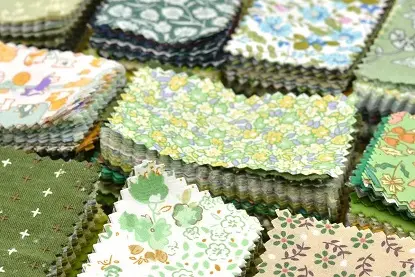
If you’re new to quilting, choosing the right fabric can be confusing, especially when you keep seeing the term “quilting cotton” everywhere.
So, what is quilting cotton fabric? In simple terms, quilting cotton is a medium-weight, tightly woven 100% cotton fabric designed to be durable, easy to handle, and ideal for precise sewing projects like quilts and crafts.
In this guide, you’ll learn what quilting cotton is, how it compares to other fabrics, what it’s best used for, and how to choose the right one for your projects.
What Is Quilting Cotton Fabric?
Quilting cotton fabric is a medium-weight, plain-weave fabric made from 100% cotton fibers, specifically designed for quilting and sewing projects that require precision and structure. It is known for its smooth surface and slightly crisp feel, which makes it easier to cut accurately and sew clean, straight seams.
Compared to softer apparel cottons, quilting cotton has more body and stability, allowing it to hold its shape well during both the sewing process and in finished projects. This balance between structure and usability is one of the main reasons it is widely used by quilters.
In terms of specifications, quilting cotton typically features a moderate thread count and comes in a standard width of about 44 to 45 inches, making it suitable for a wide range of quilting patterns and fabric cuts.
How Is Quilting Cotton Made?
1. Fiber Selection
The process begins with the raw material. Premium quilting cotton typically uses long-staple cotton, which provides better fiber alignment and uniformity. Longer fibers can be spun into finer, smoother and stronger yarns. This reduces pilling (those annoying little fuzz balls) and ensures the fabric remains smooth even after years of washing.
2. Spinning and Thread Count
After cleaning and carding, the cotton fibers are spun into high-quality yarns. Quilting cotton typically features a moderate to relatively high thread count, often in the range of approximately 60×60 to 75×75 threads per square inch. This balanced density creates a stable fabric structure with limited transparency and a smoother surface suitable for intricate decorative stitching.
3. The Weaving Process
Quilting cotton material is produced using a plain weave construction (also known as tabby weave). This is the simplest and strongest weaving pattern, where the horizontal (weft) thread goes over and under each vertical (warp) thread. The frequent interlacing of threads creates a fabric with minimal stretch. For quilters, this means that the fabric maintains its geometric integrity during cutting and seam pressing.
4. Chemical and Mechanical Pre-treatments
To prepare the greige fabric for printing, several critical industrial treatments are applied:
Singeing: The fabric is passed over a gas flame to remove microscopic surface fuzz. This creates a flat surface, which is essential for high-definition print registration.
Mercerization: The fabric is treated with a caustic soda (NaOH) solution under tension. This process causes the cotton fibers to swell, increasing their luster, tensile strength, and dye affinity.
Pre-shrinking: A mechanical shrinking process is often applied to limit residual shrinkage to less than 3-5%.
5. Printing and Finishing
Then, depending on the quilting fabric manufacturer and the complexity of the design, the fabric is dyed or printed using methods such as screen printing or digital inkjet printing.
Rotary Screen Printing: High-volume production often uses rotary screens to ensure deep dye penetration and color consistency across thousands of meters.
Digital Inkjet Printing: Used for complex designs, this method allows for a wider color gamut without increasing the physical weight or stiffness of the fabric.
Finishing: The printed quilting cotton fabric passes through high-pressure heated rollers. This mechanical finish flattens the yarns, resulting in a smooth, crisp hand-feel and a consistent thickness across the entire width of the bolt.
Key Characteristics of Quilting Cotton
Breathability
As a 100% cotton fabric, quilting cotton retains the inherent breathability of cellulose fibers. The plain weave structure allows consistent air permeability, which helps regulate moisture and temperature. This becomes particularly relevant in quilts and layered textile projects, where airflow contributes to overall comfort during extended use.
Durability
The durability of quilting cotton is largely influenced by its balanced weave density and yarn quality. Compared to lightweight or loosely woven cotton fabrics, the tighter interlacing of yarns increases resistance to abrasion and reduces fiber displacement over time. As a result, the fabric maintains its integrity through repeated washing and handling, which is essential for quilts intended for long-term use.
Structure and Dimensional Stability
A defining characteristic of quilting cotton is its dimensional stability. The frequent interlacing points in a plain weave restrict fabric distortion under tension, resulting in minimal stretch along both the straight grain and bias.
This stability allows for precise cutting and accurate seam alignment. In quilting applications, where geometric consistency is critical, even small distortions can affect the final pattern. Quilting cotton’s structure helps minimize these deviations during both construction and use.
Ease of Sewing
The handling behavior of quilting cotton is directly related to its structural properties. Because the fabric has limited elasticity and maintains its shape, it remains stable during feeding and stitching. This reduces shifting, edge distortion, and seam misalignment.
For beginners, this stability simplifies the learning process by making the fabric easier to control. For more advanced work, it supports repeatable accuracy in techniques that require precision, such as piecing and topstitching.
Quilting Cotton vs Other Cotton Fabrics
While quilting cotton is often grouped under “cotton fabric,” it differs significantly from other cotton types in terms of structure, weight, and intended use. Understanding these differences is essential when selecting the right fabric for a specific project.
Comparison Overview
| Fabric Type | Weave | Hand Feel | Weight | Uses |
| Quilting Cotton | Plain weave, tightly balanced | Smooth, slightly crisp | Medium-weight | Quilts, patchwork, crafts |
| Regular Cotton | Varies | Soft to moderate | Varies | General clothing, household use |
| Poplin | Fine plain weave | Smooth, soft | Light–medium | Shirts, dresses, uniforms |
| Lawn | Very fine plain weave | Soft, silk-like touch | Lightweight | Summer clothing |
| Muslin | Looser plain weave or gauze | Soft, slightly coarse | Light–medium | Baby products, linings |
Quilting Cotton vs Regular Cotton
“Regular cotton” typically refers to apparel fabrics such as lightweight woven cotton or cotton jersey used in garments.
Structure vs Drape: Regular cotton prioritizes softness and drape, providing a comfortable feel when worn close to the skin. Quilting cotton, by contrast, is designed for structural stability. Its tighter weave and firmer hand provide more body, which helps maintain flat seams and consistent alignment in patchwork.
Functional Difference: In applications such as quilting, fabric stability is critical. Stretch-prone materials like jersey can distort under tension, particularly when multiple layers are combined. Quilting cotton provides the dimensional stability needed to support layered construction without significant deformation.
Quilting Cotton vs Poplin
Both quilting cotton and poplin use a plain weave construction, but differ in yarn structure and finishing.
Weave and Surface Characteristics: Poplin is typically woven with finer yarns and may exhibit a subtle rib effect due to differences between warp and weft yarns. It is often more heavily finished (e.g., mercerized), resulting in a smoother surface and softer hand compared to quilting cotton.
Functional Difference: Poplin offers better drape and is commonly used in garments such as shirts, dresses, uniforms. Quilting cotton, with its more balanced and slightly firmer structure, provides greater stability during cutting and sewing, making it more suitable for structured and precision-based projects.
Quilting Cotton vs Lawn
Cotton lawn is a lightweight fabric made from very fine yarns and woven at a relatively high density.
Weight and Transparency: Lawn typically falls in a lower weight range (often around 70–100 GSM), giving it a soft hand and a degree of translucency. Quilting cotton is heavier and more opaque, with greater resistance to deformation.
Application Difference: Lawn is primarily used in summer garments that require softness and fluidity. While it can be used in quilting for specific effects, its lower weight and reduced structural stability require more careful handling compared to standard quilting cotton.
Quilting Cotton vs Muslin
Muslin is defined by a looser weave structure, which can vary depending on the finishing process. In its basic form, muslin has a more open construction and lower fabric density than quilting cotton.
Structure and Finish: Muslin typically has a lower thread count and undergoes minimal finishing, resulting in a more visible weave structure and a less uniform surface. In contrast, quilting cotton is more tightly woven and finished (e.g., singeing), producing a smoother and more consistent fabric surface.
Functional Difference: Due to its lower cost and simpler construction, muslin is commonly used for linings. Softer styles, such as double-layered gauze commonly used in baby products like bibs, swaddle, blankets. Quilting cotton is intended for finished products where surface quality, print clarity, and durability are more critical.
What Is Quilting Cotton Used For?
Quilts and Patchwork
Cotton quilting fabric is mainly used to make quilts and patchwork. Its dimensional stability ensures that fabric pieces can be cut and sewn with precision, which is essential for maintaining alignment in geometric patterns. The fabric’s ability to withstand repeated washing also makes it suitable for long-term use in layered quilt constructions.
Tote Bags and Accessories
The medium weight and structural firmness of quilting cotton make it suitable for small accessories such as tote bags, pouches, and organizers. While it may not replace heavier fabrics like canvas, it provides enough body for light- to medium-duty items, especially when combined with interfacing.
Home Décor
Quilting cotton fabric is commonly used in home décor items such as pillow covers, table runners, and lightweight curtains. Its wide range of prints and consistent texture make it suitable for decorative applications, while its stability helps maintain shape over time.
Craft Projects
Due to its ease of cutting and sewing, quilting cotton is frequently used in craft projects, including beginner sewing work, fabric-based DIY items, and small-scale handmade products. Its predictable handling behavior reduces errors during construction, making it a practical choice for both learning and production.
Can I use quilting cotton for clothing?
Quilting cotton fabric can be used for clothing, but its performance depends on the type of garment and the desired fit.
Suitable for: It works well for structured or semi-structured garments such as shirts, simple dresses, and children’s clothing. In these cases, the fabric’s stability helps maintain shape and makes construction more manageable.
Less suitable for: It is not ideal for garments that require softness, stretch, or fluid drape, such as fitted clothing, loungewear, or garments worn directly against the skin for extended comfort. The relatively firm hand of quilting cotton can feel restrictive in these applications.
How to Care for Quilting Cotton?
Proper care is essential to maintain the structure, color, and longevity of quilting cotton, especially in projects that are frequently washed or handled.
Does Quilting Cotton Shrink?
Yes, quilting cotton can shrink, particularly during the first wash. This is due to the natural behavior of cotton fibers, which contract when exposed to moisture and heat. For this reason, pre-washing is generally recommended before cutting and sewing. Pre-washing helps stabilize the fabric and reduces the risk of distortion or size changes in finished projects.
Washing Guidelines
Quilting cotton should be washed using cold or warm water on a gentle cycle. Lower temperatures help minimize shrinkage and reduce stress on the fibers, while a gentle cycle limits mechanical abrasion that can affect the fabric surface over time. Mild detergents are preferred, especially for printed fabrics, as they help preserve color clarity and reduce the risk of fading.
Drying and Ironing
Air drying or tumble drying on a low setting is recommended to prevent excessive shrinkage and fiber stress. High heat can weaken cotton fibers over time and increase the likelihood of fabric distortion. Quilting cotton can be ironed at a medium temperature. Steam ironing is often effective in removing wrinkles and restoring the fabric’s smooth surface after washing.
Does Quilting Cotton Wrinkle?
Quilting cotton is moderately prone to wrinkling due to its natural fiber composition and structured weave. While this does not affect performance, it may impact appearance in certain applications. Regular pressing can help maintain a smooth finish, particularly in projects where visual presentation is important.
How to Choose Best Cotton Fabric for Quilting?
Choosing the best quilting cotton fabric requires evaluating both structural properties and surface finish. Rather than relying on a single metric, it is more effective to assess how the fabric performs in terms of stability, consistency, and overall handling.
Evaluate Weave Density (Not Just Thread Count)
While thread count is sometimes referenced, it is not always a reliable indicator on its own. A more practical approach is to assess the overall weave density and uniformity.
Higher-quality quilting cotton typically has a tightly woven and consistent structure, with minimal visible gaps between yarns. This improves durability, reduces distortion during sewing, and provides a more stable surface for precise cutting.
Assess the Fabric Hand
The hand feel of quilting cotton is one of the most immediate indicators of quality. A good fabric should feel smooth and slightly crisp, with enough body to hold its shape without feeling overly stiff.
Fabrics that feel thin, uneven, or rough may indicate lower-quality fibers or less controlled manufacturing processes, which can affect both sewing performance and long-term durability.
Check Print and Surface Quality
Print clarity is a key indicator of overall fabric quality. High-quality quilting cotton typically features sharp, well-defined patterns and even color distribution.
Inconsistent dye absorption, blurred edges, or uneven coloration may suggest lower-grade printing or finishing processes. These issues can become more noticeable after washing, especially in projects that require visual consistency across multiple fabric pieces.
Consider Manufacturing Consistency
Consistent manufacturing processes play a critical role in the quality of quilting cotton. Variations in fiber selection, weaving, dyeing, or finishing can lead to differences in fabric density, color accuracy, and overall performance.
Maintaining consistency across production batches is particularly important in quilting, where multiple fabric pieces must behave uniformly and match in color. Even small variations can affect cutting precision, seam alignment, and the final appearance of the project.
Suppliers with controlled production systems, such as Facto Textile, typically focus on stable weave construction, consistent dye application, and standardized finishing processes. This level of control helps ensure predictable fabric behavior during sewing and more reliable results in finished products.
FAQs
Q1: Is quilting cotton 100% cotton?
A1: Yes, most quilting cotton fabrics are made from 100% cotton fibers. This gives the fabric natural breathability, durability, and compatibility with standard sewing and quilting techniques.
Q2: Why is quilting cotton so stiff?
A2: Quilting cotton feels slightly stiff due to its plain weave structure and finishing processes. The tight interlacing of yarns increases stability, which helps maintain shape during cutting and sewing.
Q3: Is quilting cotton good for beginners?
A3: Yes, quilting cotton is widely recommended for beginners because it is stable, easy to cut, and does not stretch excessively. This makes it easier to control during sewing and reduces common mistakes.
Q4: Can I mix quilting cotton with other fabrics in one quilt?
A1: While possible, it is technically challenging. Mixing quilting cotton with fabrics of different weights (like flannel or linen) or different stretch profiles (like jersey) can lead to tension issues and uneven wear. If you must mix substrates, ensure they have similar shrinkage rates or pre-wash all materials before assembly.
Working With Facto Textile

Why Choose Us
- Experienced professional team
- Comprehensive fabric categories
- Fully customization options
- Advanced printing and dyeing technology
- Fast sample and production lead time
- Strict quality inspection and certifications
- Flexible minimum order quantities
- Competitive prices and reliable shipping
Contact Us To Start Your Fabric Project
Please send us your message, we will reply within 20 hours.
Facto Tex
Product & Service
Contact Us
No.888 ZhuJiaWan Street, Gusu District, Suzhou City, Jiangsu Province, China
