What Is Bamboo Fabric? Benefits, Uses, and How It’s Made
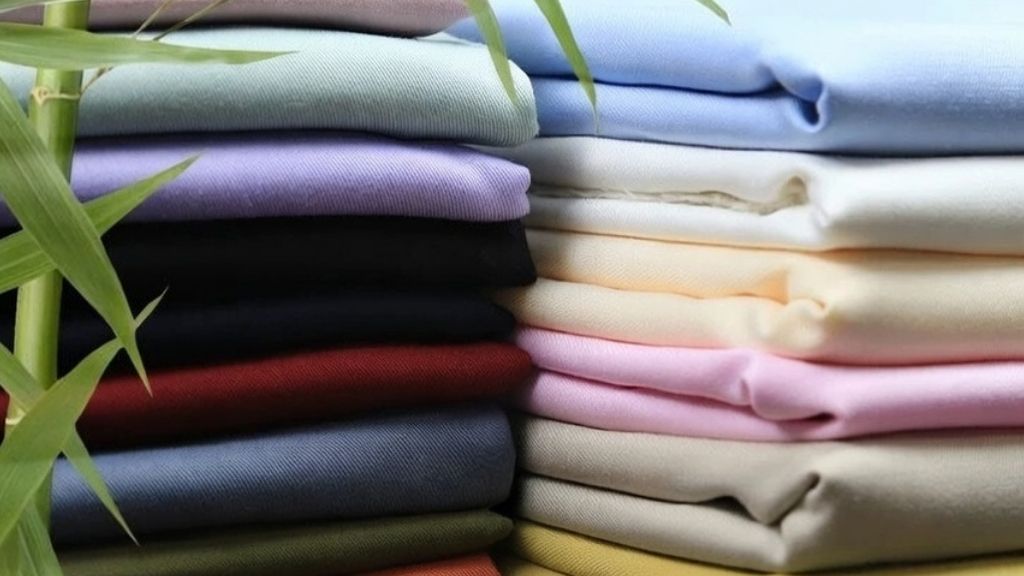
Bamboo fabric, often hailed as the “silk of the 21st century,” is a sustainable textile made from bamboo pulp. Known for its smooth texture, breathability, and moisture-wicking properties, bamboo fabric has become increasingly popular in clothing, bedding, and other textiles. But what exactly is this material, and how does a woody stalk turn into a buttery-soft shirt?
In this guide, we’ll explain what bamboo fabric is made of, how it’s produced, its key benefits, and the many ways it’s used in everyday products.
What is Bamboo Fabric Made of?
Bamboo fabric is a textile made from the pulp of bamboo plants. Bamboo is a fast-growing grass that can be harvested and processed into fibers suitable for textile production.
In most cases, bamboo fabric is made by converting bamboo into bamboo pulp, which contains cellulose. This cellulose is then processed and spun into fibers that can be woven into fabric. Because of this process, bamboo fabric is usually classified as a regenerated cellulose fiber, similar to rayon or viscose.
Although bamboo is a natural plant, the final textile is not always completely natural. The way bamboo fibers are processed plays an important role in determining the environmental impact and properties of the fabric.
Today, most bamboo fabrics on the market are bamboo viscose, which is known for its softness and smooth texture.
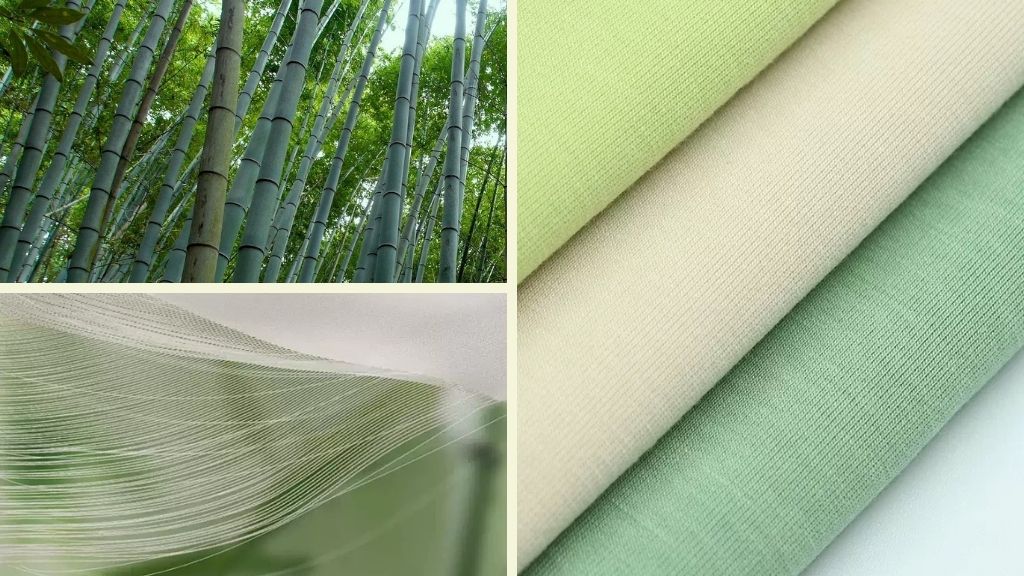
How is Bamboo Fabric Made?
Bamboo fabric is made by converting bamboo plants into soft textile fibers. In most cases, the process involves turning bamboo into pulp, extracting cellulose, and spinning the material into yarn that can be woven into fabric.
Quick Overview
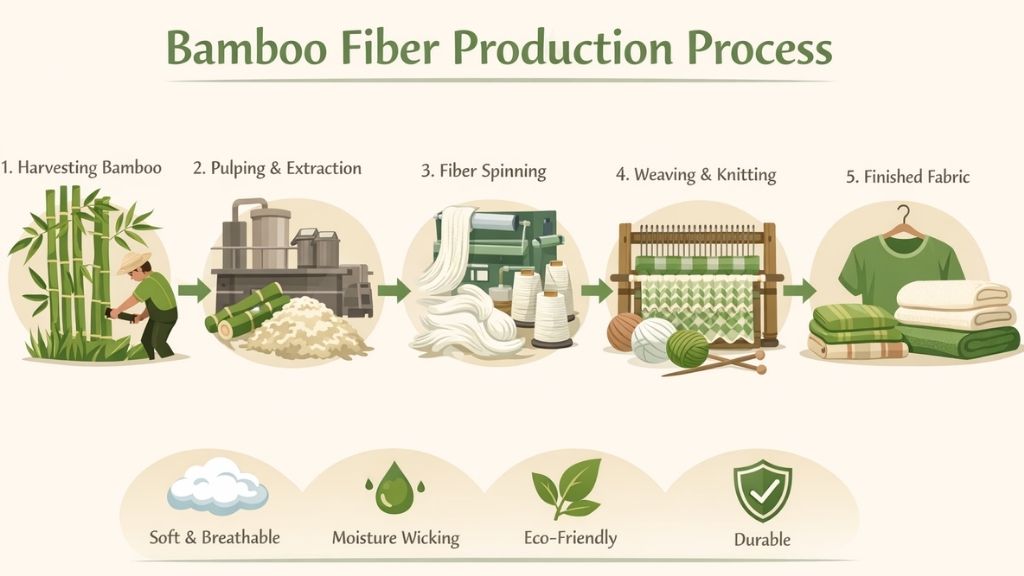
The production of bamboo fabric typically involves 3 main steps:
Step 1: Turning bamboo into pulp
Bamboo stalks are crushed and processed to extract cellulose from the plant.
Step2: Converting cellulose into fibers
The cellulose is dissolved and transformed into a thick liquid that can be spun into fine fibers.
Step3: Spinning and weaving the fibers
The fibers are spun into yarn and then woven or knitted to create bamboo fabric.
After these steps, the fabric can be dyed, finished, and prepared for use in clothing or other textile products.
Mechanical Processing
In the mechanical method, bamboo stalks are crushed into pulp and treated with natural enzymes to separate the fibers. The fibers are then combed out and spun into yarn, similar to the process used to produce linen.
This method is more natural but also more expensive and time-consuming, so it is rarely used in large-scale textile production. Fabrics produced this way are sometimes called bamboo linen.
Chemical Processing (Viscose Method)
Most bamboo fabrics available today are made using the viscose process. In this method, bamboo is first crushed into pulp and the cellulose is extracted. The cellulose is then dissolved using chemical solvents to form a thick solution.
This solution is pushed through spinnerets to create fine fibers, which are solidified and spun into yarn. The yarn can then be woven or knitted into fabric.
Because this process produces extremely soft and smooth fibers, bamboo viscose is the most common type of bamboo fabric used in clothing and home textiles.
Key Benefits of Bamboo Fabric
Bamboo fabric is widely appreciated for its comfort, breathability, and eco-friendly reputation. The table below highlights some of the key benefits of bamboo textiles.
| Benefit | Why It Matters |
| Soft & Comfortable | Naturally smooth fibers with no sharp spurs, offering a silk-like feel that gets softer with every wash. |
| Breathability | Micro-gaps in the fiber allow air to flow freely, preventing overheating. |
| Moisture-Wicking | Absorbs and evaporates sweat 40% faster than cotton. |
| Hypoallergenic | Long, smooth fibers reduce mechanical irritation to the skin. |
| Odor Resistance | Contains natural bio-agents that help inhibit the growth of bacteria. |
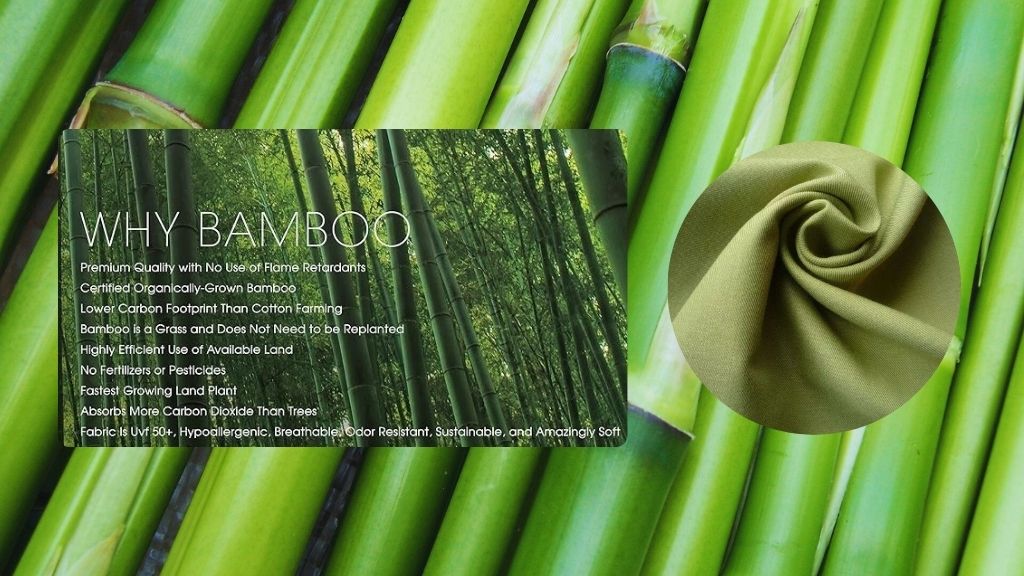
| Eco-Friendly | Bamboo grows rapidly without pesticides and is biodegradable. |
| Temperature Regulation | Keeps you cool in the heat and traps warmth during colder months. |
Different Types of Bamboo Fabrics
Bamboo Cotton
• Typical Composition: Bamboo cotton blends typically contain 60–70% bamboo and 30–40% cotton, although the exact ratio may vary by manufacturer.
• Advantages: This blend combines the softness and breathability of bamboo with the strength and durability of cotton. It also improves fabric stability and makes the material easier to maintain.
• Common Uses: Bamboo cotton fabrics are widely used in casual clothing, T-shirts, bed sheets, and everyday apparel.
Bamboo Spandex
• Typical Composition: Bamboo spandex fabrics usually consist of 90–95% bamboo and 5–10% spandex (elastane).
• Advantages: The addition of spandex provides excellent stretch and flexibility, allowing the fabric to move with the body while maintaining its shape.
• Common Uses: This fabric is commonly used in activewear, yoga clothing, underwear, and fitted garments that require elasticity.
Bamboo Polyester
• Typical Composition: Bamboo polyester blends often contain 50–70% bamboo and 30–50% polyester, depending on the desired performance characteristics.
• Advantages: Polyester improves durability, wrinkle resistance, and color retention, while bamboo contributes softness and breathability.
• Common Uses: This blend is frequently used for sportswear, performance clothing, and durable everyday garments.
Bamboo Tencel / Lyocell
• Typical Composition: These fabrics combine bamboo fibers with Tencel lyocell fibers or are processed using lyocell technology, sometimes blended with other natural fibers.
• Advantages: Bamboo lyocell fabrics are smooth, breathable, and strong, while the production process is generally considered more environmentally responsible.
• Common Uses: Often used in premium clothing, eco-friendly fashion products, and high-quality bedding.
Bamboo Linen Blend
• Typical Composition: Bamboo linen blends usually contain 40–60% bamboo fibers and 40–60% linen fibers, depending on the desired texture and durability.
• Advantages: This blend combines the softness and breathability of bamboo with the strength and natural texture of linen, resulting in a fabric that is both comfortable and durable.
• Common Uses: Bamboo linen blends are commonly used for summer clothing, lightweight shirts, dresses, and eco-friendly fashion textiles.
What is Bamboo Fabric Used for?
Underwear
Bamboo fabric is commonly used for underwear because it is soft, lightweight, and breathable. Its moisture-wicking ability helps keep the skin dry and comfortable throughout the day, which is particularly beneficial for garments worn close to the body.
Activewear
The breathable and moisture-absorbing nature of bamboo fabric makes it suitable for sportswear and activewear. It allows heat and sweat to escape more easily, helping maintain comfort during physical activities.
Babywear
Because bamboo fabric is smooth and gentle on the skin, it is often used in baby clothing and blankets. The soft texture reduces friction and irritation, making it a comfortable choice for delicate or sensitive skin.
Sleepwear
Bamboo fabric is also popular for pajamas and sleepwear due to its lightweight feel and temperature-regulating properties. It helps keep the body cool and comfortable during sleep.
Home Textiles
In addition to clothing, bamboo fabric is widely used in home textiles such as bed sheets, pillowcases, and towels. Its softness and breathability make it a comfortable material for everyday household use.
Bamboo Fabric vs Cotton: Which is Better?
Both bamboo and cotton are popular natural-based fabrics, but they have different strengths.
Bamboo fabric is generally softer and smoother than cotton, offering a luxurious feel. It also tends to be more breathable and moisture-wicking, which can improve comfort in warm weather.
Cotton, on the other hand, is known for its durability and widespread availability. It is often easier to care for and may last longer depending on the quality.
When it comes to sustainability, the comparison can be complex. Bamboo grows quickly and requires fewer pesticides, but the viscose production process may involve chemicals. Cotton farming, meanwhile, can require significant water and agricultural resources.
Ultimately, the better choice depends on personal preference, budget, and the intended use of the fabric.
Is Bamboo Fabric Truly Sustainable?
Bamboo is often marketed as an eco-friendly material because of the way the plant grows. Bamboo can grow rapidly, regenerate naturally, and requires relatively little water compared with many crops.
However, the sustainability of bamboo fabric depends heavily on how the fibers are processed. The traditional viscose method uses chemical solvents that can have environmental impacts if not managed responsibly.
More advanced production methods, such as the lyocell process, are designed to reduce waste and recycle solvents, making them a more sustainable option.
For consumers who are concerned about environmental impact, it may be helpful to look for certified textiles or products produced using responsible manufacturing processes.
How to Care for Bamboo Fabric?
Bamboo fabric is soft and breathable, but it also requires proper care to maintain its quality and durability. With the right washing and drying methods, bamboo textiles can remain comfortable and long-lasting.
Wash in Cold or Warm Water
Bamboo fabric should generally be washed in cold or lukewarm water. High temperatures may cause the fibers to shrink or weaken over time.
Use Mild Detergent
A gentle detergent is recommended when washing bamboo fabrics. Harsh chemicals or strong detergents can damage the fibers and reduce the softness of the material.
Avoid High Heat Drying
Excessive heat can damage bamboo fibers and lead to shrinkage. Air drying is usually the best option, but tumble drying on a low heat setting is also acceptable.
Do Not Use Bleach
Bleach and strong chemical cleaners should be avoided because they can weaken the fibers and affect the color of the fabric.
Iron at Low Temperature
If ironing is necessary, use a low heat setting. Bamboo fabric generally resists wrinkles, but gentle ironing can help maintain a smooth appearance.
FAQs
Q1: Is bamboo fabric good for summer?
A1: Yes, bamboo fabric is a good choice for summer because it is lightweight, breathable, and moisture-wicking. The fabric allows air to circulate easily and helps absorb sweat, which can keep the body cool and comfortable in warm weather.
Q2: Does bamboo fabric shrink?
A2: Bamboo fabric can shrink slightly if it is washed in hot water or dried at high temperatures. To minimize shrinkage, it is best to wash bamboo clothing in cold or lukewarm water and dry it on a low heat setting or air dry whenever possible.
Q3: What are the disadvantages of bamboo fabric?
A3: Although bamboo fabric is soft and breathable, it may be less durable than some traditional fabrics like cotton. In addition, many bamboo textiles are produced using chemical processes, which can raise environmental concerns if not properly managed.
Q4: Is bamboo fabric just rayon?
A4: In most cases, yes. Many bamboo fabrics are actually a type of rayon made from bamboo cellulose, often called bamboo viscose. The bamboo plant is processed into pulp, and the cellulose is then regenerated into fibers that can be spun into fabric.
Working With Facto Textile

Why Choose Us
- Experienced professional team
- Comprehensive fabric categories
- Fully customization options
- Advanced printing and dyeing technology
- Fast sample and production lead time
- Strict quality inspection and certifications
- Flexible minimum order quantities
- Competitive prices and reliable shipping
Contact Us To Start Your Fabric Project
Please send us your message, we will reply within 20 hours.
Facto Tex
Product & Service
Contact Us
No.888 ZhuJiaWan Street, Gusu District, Suzhou City, Jiangsu Province, China
