What Is Dotted Swiss Fabric? History, Types & Uses Guide
What Is Dotted Swiss Fabric?
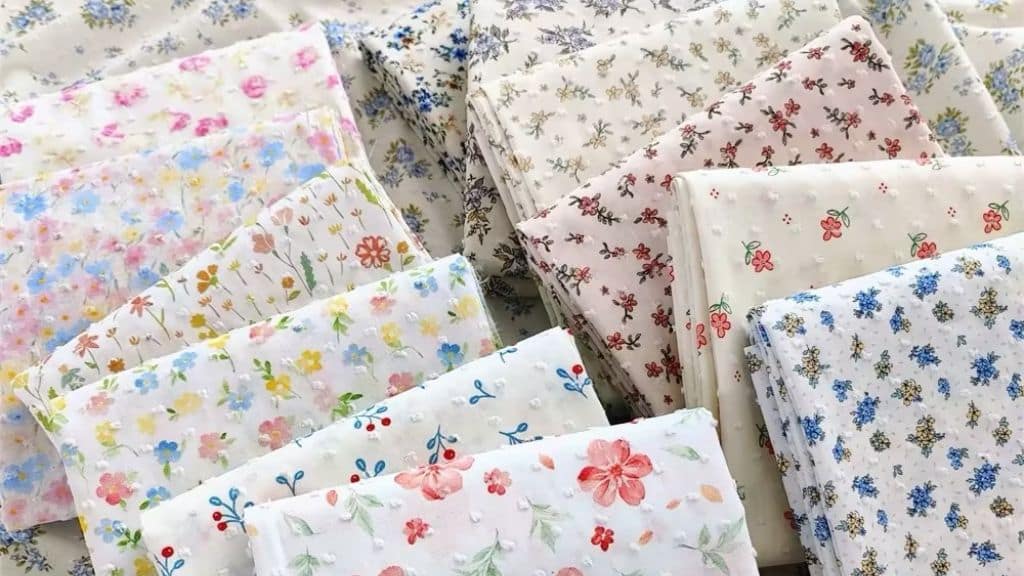
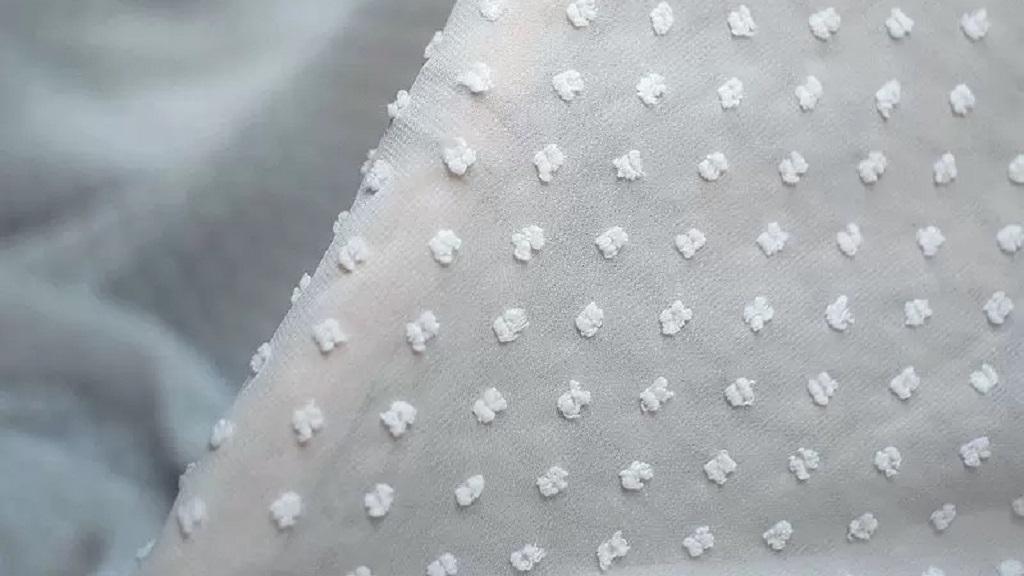
Dotted swiss fabric, also known as “Plumetis”, is a textile characterized by small raised or textured dots distributed across the surface. In the UK, it may also be referred to as dobby dot fabric. The term “dobby” relates to the dobby loom weaving mechanism used to create small geometric textures within the fabric structure.
Traditionally, dotted swiss was made from cotton batiste, a fine, sheer plain-weave fabric known for its light and delicate hand feel. The dots were typically small and subtle. Nowadays, swiss dot fabric comes in a variety of color schemes, and the dots can be larger in size and printed instead of woven. In addition to cotton, it can also be made from various fabrics, such as organza, chiffon, lace, mesh, voile, and tulle. Some modern styles also incorporate metallic threads for added decoration.
Key Takeaways
- Dotted Swiss fabric is characterized by small, raised or textured dots distributed across its surface.
- It is also known as “plumetis” or “dobby dot fabric”.
- Traditionally made from cotton batiste, it is now produced on a variety of base fabrics, including chiffon, organza, lace, mesh, and tulle.
- Dot size, spacing, and construction techniques vary, with effects created through weaving, embroidery, flocking, or printing.
History and Origin of Dotted Swiss Fabric
Dotted Swiss fabric originated in Switzerland in the 18th century, where lightweight cotton textiles featuring small embroidered dots became popular. These early fabrics were typically made from fine cotton batiste and decorated with small delicate raised motifs, often arranged in evenly spaced patterns.
By the 19th century, advancements in textile manufacturing allowed the dotted effect to be produced more efficiently. With the development of mechanical weaving techniques, the fabric could be manufactured on a larger scale while maintaining its characteristic textured appearance.
As production expanded across Europe and later into North America, Dotted Swiss fabric became especially popular for summer garments and children’s clothing due to its breathability and light weight.
Today, while the name still reflects its Swiss heritage, Dotted Swiss fabric is produced worldwide and continues to adapt to contemporary fashion and home decor needs.
How Is Dotted Swiss Fabric Made?
Base Fabric Selection
Manufacturing begins with the selection of the base fabric. Dotted Swiss can be produced on a wide range of materials, including cotton, chiffon, organza, lace, mesh, voile, and tulle. The choice of base fabric affects the final drape, transparency, and overall structure.
Creating the Dotted Pattern
The signature raised dots can be formed in several ways, depending on the desired texture and production method:
- Woven dots: Created directly during weaving, often using a dobby loom to lift selected warp threads and form small geometric protrusions.
- Embroidered dots: Stitched onto the surface after the base fabric is woven.
- Clipped dots: Formed by weaving extra yarn floats that are later trimmed to create a textured effect.
- Flocked dots: Applied to the surface using adhesive and fine fibers to create a velvety raised finish.
- Printed dots: The dot motif is printed onto the fabric surface, creating a decorative pattern without adding physical texture.
Finishing and Treatment
After the dots are formed, the fabric may undergo finishing processes such as washing, softening, heat setting, or stabilizing. These treatments help maintain the texture of the dots while improving durability and hand feel.
What Are the Common Types of Swiss Dot Fabric?
Although Swiss Dot fabric is defined by its textured dot surface, the overall look and performance vary depending on the base material. Below are some of the most common variations found in the market.
Cotton Swiss Dot
Cotton remains one of the most widely used bases for swiss dot fabric. It offers a soft hand feel and natural breathability, making it comfortable for everyday wear. Compared to sheer variations, cotton swiss dot typically provides more coverage and structure. Because of its durability and ease of care, it is often used to make children’s clothing, blouses, skirts, and dresses.
Chiffon Swiss Dot
On a chiffon base, the dotted texture creates a lighter, more fluid visual effect. Swiss dot chiffon fabric drapes softly and moves easily, creating an airy silhouette. Due to its semi-sheer quality, chiffon swiss dot is frequently layered over linings or used in flowing summer garments.
Organza Swiss Dot
Swiss dot organza fabric has a noticeably crisper feel. Unlike chiffon, it holds its shape more firmly, making it suitable for garments that require volume or structure. The dots stand out more prominently against the slightly stiff background, which enhances the fabric’s dimensional effect. This fabric is often used for formal wear or decorative layering on special occasions.
Lace Swiss Dot
Rather than appearing uniform and minimal, swiss dot lace fabric integrates raised dots with openwork lace patterns, creating a layered and dimensional visual effect. It is typically used in designs where ornamentation and delicacy are emphasized.
Mesh or Tulle Swiss Dot
When produced on mesh or tulle, swiss dot fabric becomes especially lightweight and transparent. The base provides minimal visual weight, allowing the raised dots to appear almost suspended. For this reason, mesh and tulle versions are commonly used as overlays, veils, or sheer panels where softness and dimension are desired without added bulk.
What Is Dotted Swiss Used for?
Infant Bonnets & Baby Caps
Soft cotton swiss dot fabric is commonly chosen for infant bonnets and baby caps. The lightweight structure allows airflow while the textured dots add a delicate decorative detail. White and soft pastel shades are the most common, often finished with subtle ribbons or lace for a sweet, vintage-inspired look.
Christening Gowns
Sheer or semi-sheer dotted swiss is a classic fabric for christening gowns. Typically layered over a soft lining, it provides modest coverage while creating beautiful dimension and movement. The subtle raised dots enhance the garment without heavy embellishment.
Cape Dresses
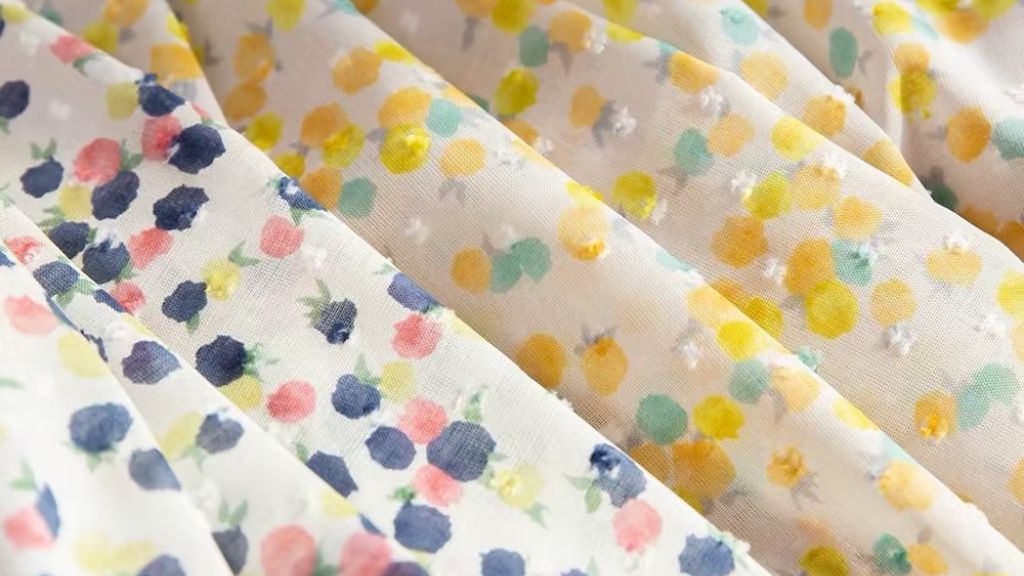
Swiss knit dot fabric is often chosen for full-length cape dresses. Its lightweight, breathable nature ensures all-day comfort while supporting a simple and modest silhouette. Depending on the design, the fabric may appear in solid colors or small floral prints.
Kapp (Head Covering)
Swiss dot cotton may also be used for kapp (head coverings). Its soft drape makes it comfortable to wear even for long periods, while the small raised dots provide subtle detailing, preserving a clean, modest, and traditional appearance.
Aprons
Some aprons are also made from dotted swiss fabric. Whether used in kitchens, craft work, or light household tasks, these aprons combine practicality with a gentle, charming aesthetic.
Curtains & Window Panels
In home decor, swiss dot fabric is often used for curtains and sheer window panels. The raised dots diffuse light gently, adding texture without blocking brightness. It is often chosen for nurseries or interiors seeking a soft, classic aesthetic.
How to Care for Dotted Swiss Material?
Washing
Cotton Swiss Dot: Machine wash cold on a gentle cycle. Use mild detergent to protect the delicate dots. Wash with similar colors to avoid bleeding.
Delicate Bases (Chiffon, Organza, Lace, Tulle): Hand wash in cold water with a gentle detergent. Avoid wringing, gently press water out instead.
Drying
Air Dry: Lay flat or hang to dry away from direct sunlight.
Avoid High Heat: Heat from dryers can shrink or distort the dots, especially on delicate fabrics.
For Sheer Layers: Smooth out wrinkles and reshape while damp for best results.
Ironing
If ironing is necessary, use a low heat setting and press gently to avoid flattening the textured dots. Always iron on the reverse side or place a thin cloth between the iron and the fabric to protect the delicate surface.
Storage
Avoid Crushing: Store flat or lightly folded to maintain the raised texture of the dots.
Protect from Dust & Light: Especially for light-colored or sheer fabrics.
Use Acid-Free Tissue: For delicate layers like organza or lace, interleave with tissue to prevent snagging.
Print on Swiss Dot Fabric
Want to print your own swiss dot fabric? Factotex makes it easy. We offer both solid-colored and custom printed swiss dot fabrics in a variety of base materials, including cotton, chiffon, organza, and more. Small-batch production is supported, so you can bring your unique designs to life without needing a large minimum order. If you have any questions, please feel free to contact us.
FAQs
Q1: What Does Swiss Dot Fabric Look Like?
A1: Swiss dot fabric features small, raised or textured dots evenly distributed across the surface, creating a subtle, decorative pattern while maintaining a lightweight, airy appearance.
Q2: Is Swiss Dot a Summer Fabric?
A2: Yes, particularly cotton and lightweight chiffon or voile versions. Its breathable, lightweight structure makes it ideal for warm-weather apparel, children’s clothing, and airy summer dresses.
Working With Facto Textile

Why Choose Us
- Experienced professional team
- Comprehensive fabric categories
- Fully customization options
- Advanced printing and dyeing technology
- Fast sample and production lead time
- Strict quality inspection and certifications
- Flexible minimum order quantities
- Competitive prices and reliable shipping
Contact Us To Start Your Fabric Project
Please send us your message, we will reply within 20 hours.
Facto Tex
Product & Service
Contact Us
No.888 ZhuJiaWan Street, Gusu District, Suzhou City, Jiangsu Province, China
